You don't have to tear down your entire fence just because a few boards look like they've seen better days. In our corner of Oregon, the damp climate often attacks specific sections of wood long before the whole structure fails. If you've been looking for fence picket repair Gresham neighbors can trust, you know that a few rotting pickets or loose boards make a sturdy fence look neglected and leave your backyard exposed.
We understand the frustration of trying to find a reliable professional who takes small maintenance tasks seriously. You want your security restored and your curb appeal back without the massive bill of a total replacement. This guide explains how to identify early signs of rot and evaluate whether you can fix individual boards or need a larger solution. We will walk you through the process of restoring your privacy fence while staying compliant with local city regulations. You'll see how targeted fixes from a local craftsman can make your property secure and beautiful once again.
Key Takeaways
- Learn how to save money with professional fence picket repair Gresham services by targeting specific rot instead of replacing the whole structure.
- Identify early signs of wood failure by checking the "splash zone" at the bottom of your pickets where PNW moisture settles.
- Use the 20% rule to decide if your fence needs a simple fix or a complete overhaul based on the health of the posts and rails.
- Understand why matching wood species like Cedar or pressure-treated lumber is critical for a repair that looks uniform and lasts.
- Discover why a local craftsman is the best choice for small-scale repairs that larger fencing companies often overlook.
Why Fence Pickets Fail in Gresham's PNW Climate
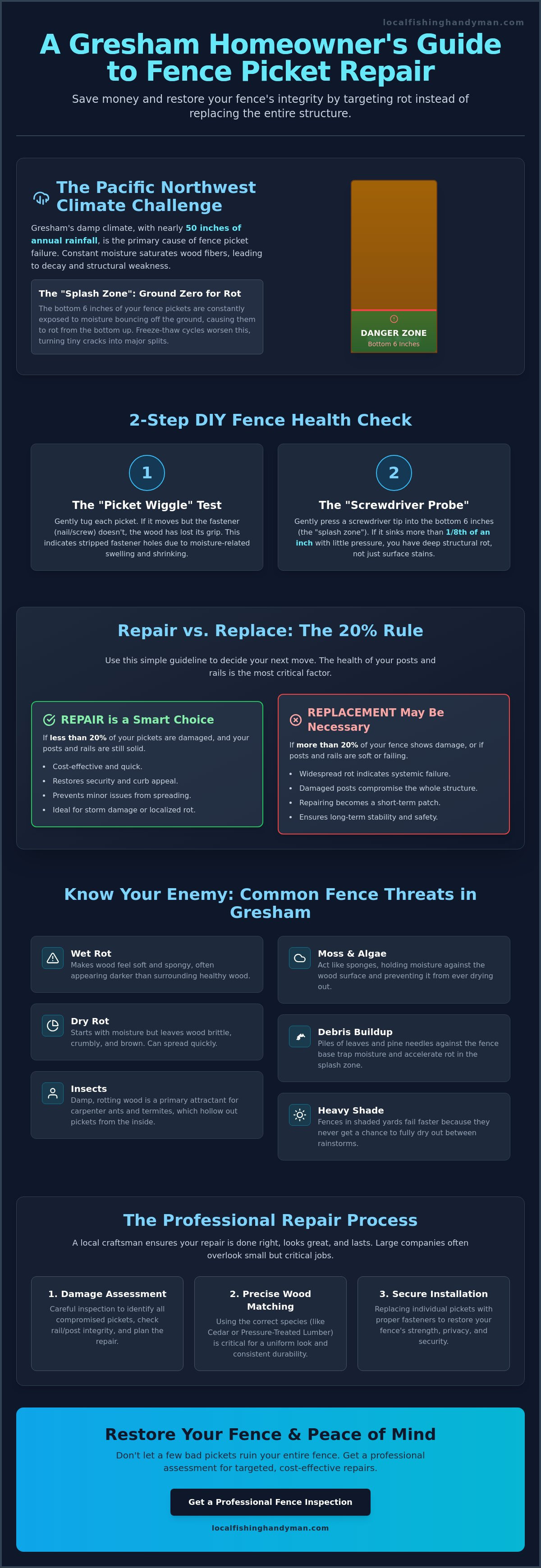
Gresham's climate is notoriously tough on exterior wood. Our region sees nearly 50 inches of rain every year, and this constant moisture is the primary reason homeowners eventually need fence picket repair Gresham services. When wood fibers stay saturated for months at a time, they lose their natural structural integrity. Without consistent sunlight to dry them out, the lignin in the wood begins to soften and break down. This weakens the boards and makes them prone to warping or snapping under pressure.
This decay process almost always starts at the bottom of the fence. The lowest six inches of a picket are known as the "splash zone." Every time it rains, water hits the ground and bounces back up, keeping the base of the board perpetually damp. Over time, this leads to bottom-up rot that can spread quickly through the vertical grain. Gresham's winter freeze-thaw cycles make these issues even worse. Water seeps into small, natural cracks in cedar or pine pickets during the day. When that water freezes at night, it expands and forces the wood fibers apart. This turns tiny hairline fractures into deep splits that compromise your home's privacy and security.
Common Culprits: Rot, Moss, and Insects
You will likely notice two distinct types of decay. Wet rot makes the wood feel spongy and look significantly darker than the surrounding area. Dry rot starts with moisture but eventually leaves the wood brittle, brown, and crumbly. Both types require immediate attention to prevent the damage from spreading to your horizontal rails. Moss and algae are also major threats in our local area. Moss acts like a soaked sponge, holding water directly against the wood surface. This prevents the picket from ever drying out, even during a rare sunny winter day. Understanding wood preservation techniques can help you see why keeping these growths off your fence is vital for long-term durability. Finally, keep an eye out for insects. Damp wood is a magnet for carpenter ants and termites, which can hollow out a picket from the inside out.
The Local Environment Factor
Your specific location in Gresham plays a big role in how your fence ages. If your property is positioned near the Columbia River Gorge, high winds can constantly rattle your fence. This vibration loosens the pickets and widens fastener holes, making it easier for rain to penetrate the core of the wood. Leaf debris and Douglas Fir needles also cause significant trouble. When these materials pile up against the bottom of the fence, they trap moisture and accelerate the rotting process. Shaded yards are particularly vulnerable. In Gresham, fences in heavy shade often fail much faster than those in full sun because they never get the chance to fully dry out between rainstorms. Regular inspection is the best way to catch these environmental issues before they require a full fence replacement.
Evaluating Your Fence: Common Picket Issues
Determining the health of your fence starts with a hands-on inspection. Walk your fence line and give each board a gentle tug. If you notice a "picket wiggle," the issue is likely rooted in the fastener holes. Over time, Gresham's high humidity causes wood to swell and shrink, which eventually strips out the grip around nails or screws. When the fastener stays still but the board moves, the wood fibers have lost their holding power. This is a clear indicator that you need targeted fence picket repair Gresham homeowners can rely on to keep their perimeter stable.
Focus your attention on the "splash zone" mentioned earlier. This bottom 6 inches of the picket is where most structural failure begins. Don't just look at the wood; test it. A simple "screwdriver probe" is an effective way to check density. Gently press the tip of a flathead screwdriver into the base of the picket. If the metal sinks in more than an eighth of an inch without much pressure, you are dealing with deep structural decay rather than just surface staining. For more , you can see how professionals differentiate between localized rot and systemic failure. If you find multiple soft spots along your fence line, it's a good idea to have a professional fence inspection to catch these issues before they spread to your horizontal rails.
Physical Damage vs. Natural Aging
It is important to distinguish between storm damage and natural aging. Storms in our area often drop heavy branches that can crack or shatter individual pickets. This is an immediate fix. Natural aging, however, often shows up as "silvering." If your cedar fence has turned a light grey but remains hard to the touch, the wood is likely still healthy. It is simply reacting to UV exposure. You only need to worry when you see dark, damp patches or warped boards that have pulled away from the frame. If the wood has stripped out around the nail, replacing the single picket is much more cost-effective than trying to patch the hole.
Security and Privacy Gaps
Small gaps might seem like a minor cosmetic issue, but they quickly compromise your home's security. Warped pickets create sightlines that eliminate your privacy. These gaps also provide enough space for small pets or local wildlife to squeeze through. Beyond security, a single missing or broken picket creates a "wind tunnel" effect during high-wind events. This puts extra pressure on the surrounding boards and can lead to a domino effect of damage. Keeping your pickets tight and uniform ensures the wind flows over the fence rather than through it, protecting the entire structure from unnecessary strain.
Picket Repair vs. Full Fence Replacement
Many Gresham homeowners worry that a few rotting boards mean the entire fence is a goner. This usually isn't the case. Total replacement is a major expense and a time-consuming project. In many situations, targeted fence picket repair Gresham services can save you thousands of dollars. The key is knowing how to measure the damage against the overall health of the structure. If the main frame of your fence is still strong, there's no reason to tear everything down just to fix a few eyesores.
A reliable rule of thumb used by craftsmen is the 20% Rule. If less than 20% of your pickets are damaged, repairing them is almost always the smarter financial move. This approach focuses on the "skeleton" of the fence. You need to check your 4x4 posts and horizontal rails. If these components are still plumb and free of deep rot, they can continue to support new pickets for years. Scientific research on how wood properties affect fence life shows that different wood species degrade at different rates based on density and moisture. By removing the specific boards that have failed, you prevent rot from jumping to the more expensive structural rails. This simple maintenance can easily extend the life of your entire fence by another 5 to 10 years.
When to Choose Picket Repair
Picket repair is the best choice when the structural frame is still solid. If your posts don't wiggle and your rails aren't sagging, you have a great foundation for a repair. This is also the right path for localized issues. Maybe a lawnmower kicked up a rock and cracked a board, or a single section under a heavy tree canopy has started to rot. Repairing individual pickets is a fast solution that helps you stay in compliance with HOA rules and keeps your pets safely contained without the wait time of a full installation.
When Replacement is the Better Investment
There are times when a repair is just a temporary bandage. If your posts are leaning at sharp angles or have snapped off at the concrete line, the foundation is gone. You should also consider a full replacement if more than 30% of your pickets show signs of advanced decay. At that point, the wood has likely reached the end of its functional life. If the labor cost to replace dozens of individual boards starts to approach half the cost of a new install, it's usually better to invest in a completely new fence that will last for the next two decades.
The Local Fishing Handyman Process for Picket Restoration
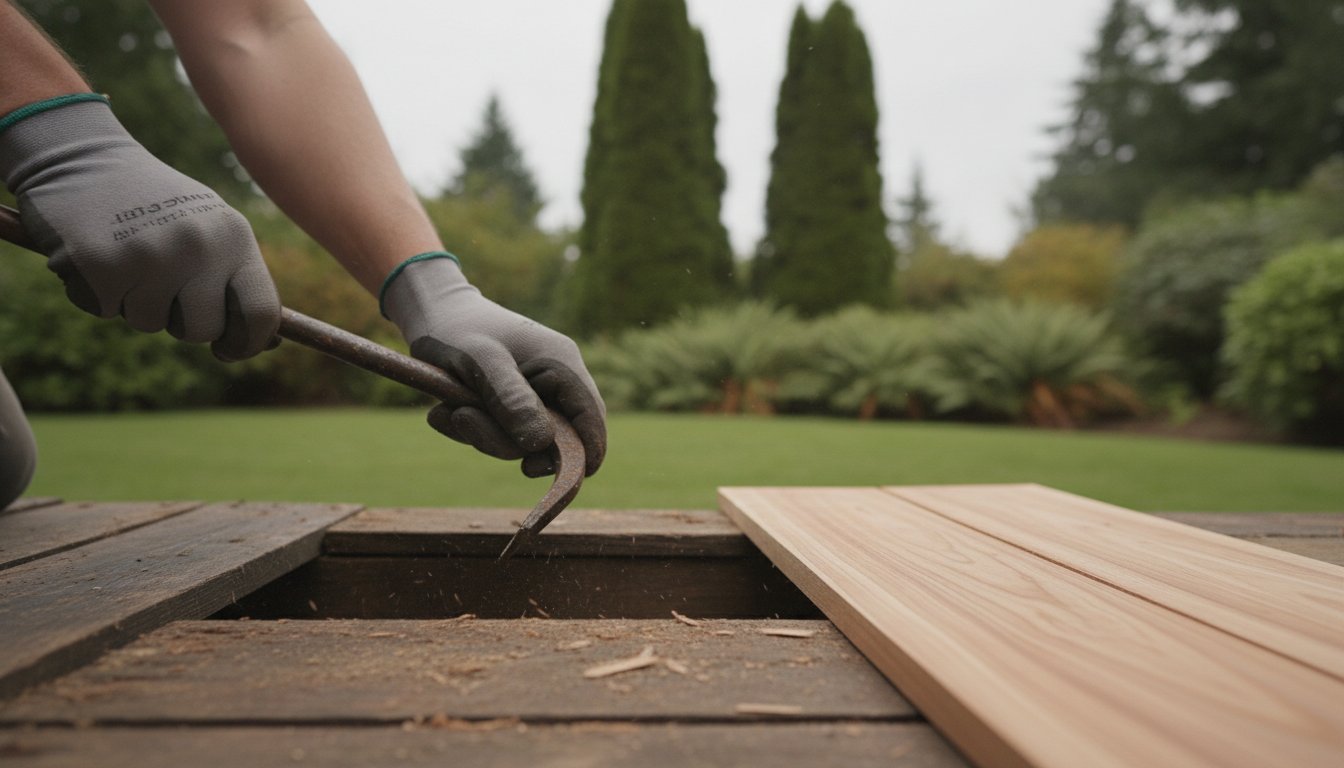
We focus on the specific details that big installation crews usually overlook. Our process for fence picket repair Gresham begins with a surgical approach to removing damaged wood. Instead of using a heavy pry bar that might jar your horizontal rails loose, we carefully extract the failed pickets one by one. This protects the structural "skeleton" of your fence and prevents further damage to the rails. Once the old wood is gone, we don't just grab the first board we find at a retail store. We take the time to match the exact wood species and dimensions of your existing structure so the repair doesn't stick out like a sore thumb.
Sourcing and Matching Materials
Matching the look of an older fence requires a keen eye and the right materials. We prioritize Western Red Cedar for most Gresham repairs. Cedar is the gold standard in the Pacific Northwest because it contains natural oils that resist rot and insects. We also ensure that we use "dry" lumber. If you install "green" or wet wood, it will shrink and warp as soon as it dries out, leaving you with wide gaps and pulled fasteners. Whether your fence features dog-ear, flat-top, or gothic styles, we perform precision trimming on-site. This ensures the new pickets align perfectly with your existing height and style. The goal is a repair that is virtually invisible to neighbors and passersby.
Professional Fastening Techniques
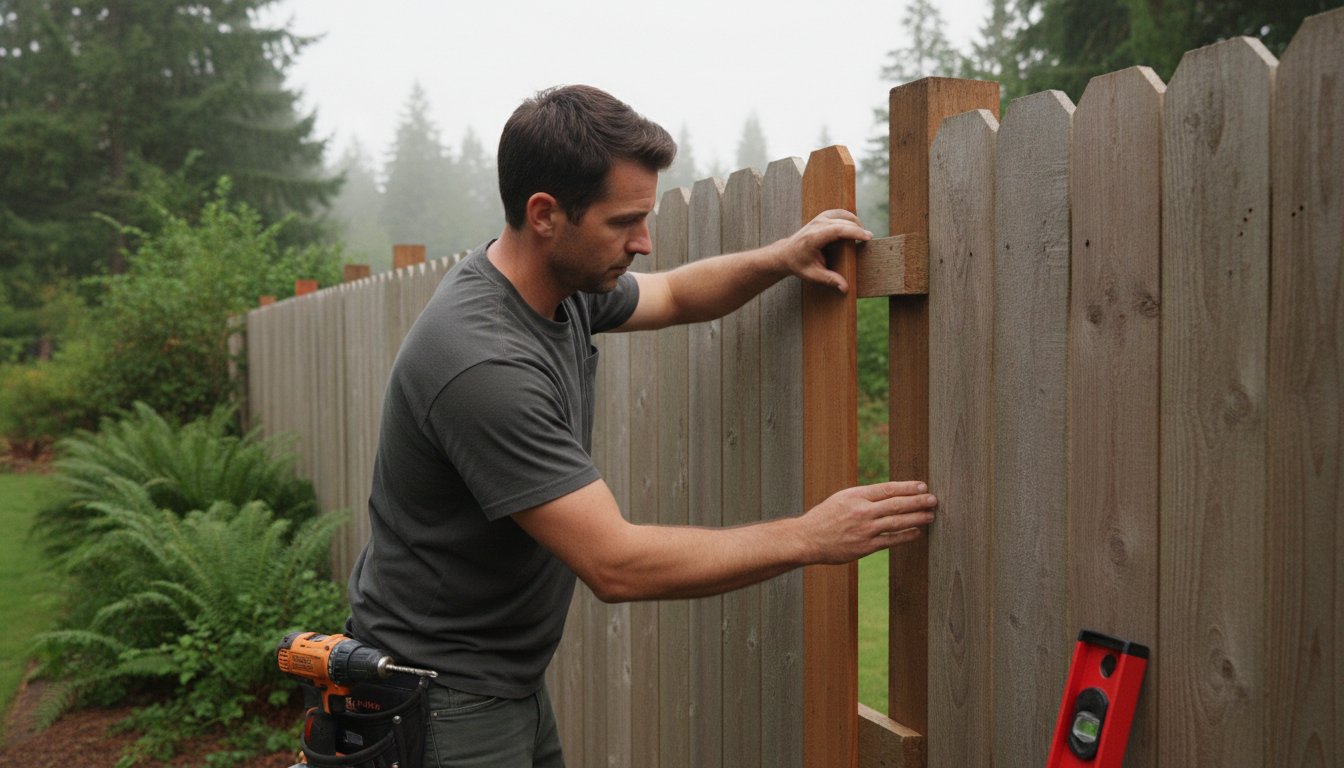
How a picket is attached is just as important as the wood itself. We avoid standard nails that often pull out when the wood expands in our high humidity. Instead, we use high-quality galvanized or stainless steel fasteners. These are essential because the natural tannins in cedar react with cheap metals, causing those ugly black "bleeding" streaks. We follow a strict "two-fastener per rail" rule to keep the boards from cupping or twisting over time. We also make sure each picket is installed with a small gap above the ground. This prevents the wood from "wicking" up moisture from the soil, which stops the bottom-up rot we've seen in so many Gresham yards. When performing fence picket repair Gresham residents expect a finish that lasts, so we apply a localized sealant to any fresh cuts to provide an immediate shield against the rain. If your fence is starting to show its age, you can book a professional fence repair to restore your home's security today.
Reliable Fence Repairs in Gresham: Why Experience Matters
Experience is more than just knowing how to swing a hammer. It's about understanding the specific needs of our community. Many large fencing companies in the area have high minimum project fees. They often ignore a request for a few broken boards because they're busy chasing five-figure installations. We take the opposite approach. We know that a small hole in your privacy fence is a big deal for your peace of mind and your home's security. Choosing a specialist for fence picket repair Gresham ensures your project gets the attention it deserves without being buried at the bottom of a corporate queue.
Gresham residential lots come with their own set of challenges. We've worked in narrow side yards where space is tight and on sloped lots where pickets must be custom-cut to follow the grade of the land. We also understand the local regulations, such as the 6-foot height limit for residential fences and the specific material restrictions in Gresham's Design Districts. Whether your home is in Rockwood or near the downtown corridor, we make sure your repairs are compliant, durable, and aesthetically pleasing.
Licensed and Insured for Your Protection
Professionalism starts with accountability. Working with a contractor who carries CCB#254463 means your property and your investment are protected. This license isn't just a random number; it's a commitment to Oregon's regulatory standards and safety requirements. Hiring "under the table" labor might seem like a way to save a few dollars upfront, but it leaves you liable if an accident occurs on your property or if the work fails to meet city codes. We stand behind every picket we install with quiet confidence. This pride in our work comes from years of refining our craft right here in the Pacific Northwest.
Get Your Fence Back in Shape
Scheduling a repair shouldn't be a headache for a busy homeowner. We provide straightforward, honest evaluations so you know exactly which boards need attention and which ones are still healthy. To make the service visit as efficient as possible, we recommend clearing any debris or overgrown brush away from the fence line before we arrive. It's also helpful to keep pets secured inside so we can move freely and work safely. If you're ready to fix those rotting boards and restore your home's curb appeal, you can Contact Local Fishing Handyman for a Fence Repair Estimate. We look forward to helping you secure your property with a reliable, neighborly touch.
Secure Your Home with Expert Fence Repairs
Maintaining a secure perimeter doesn't have to be a massive construction project. You've learned that addressing moisture damage in the "splash zone" early can prevent localized rot from spreading to your fence's main structural rails. By choosing targeted fence picket repair Gresham homeowners can save significant money while extending the life of their privacy fence by several years. It's about working smarter to keep your yard safe and your curb appeal high.
We take pride in providing a no-nonsense, direct service for small and medium maintenance tasks. As a licensed, bonded, and insured provider (CCB#254463), we focus on high-quality outcomes that stand up to our unique Pacific Northwest weather. You don't have to settle for a leaning fence or missing boards that compromise your security. We're specialized in Gresham exterior maintenance and understand exactly what your property needs to stay durable and attractive.
Request a Fence Picket Repair Estimate from Local Fishing Handyman and get your property back in top shape. We're here to help you get the job done right.
Frequently Asked Questions
How much does it cost to replace a few fence pickets in Gresham?
The cost for your project depends on the number of boards, the wood species, and the specific style of your fence. Factors like site accessibility and the condition of the underlying rails also play a role in the final estimate. We focus on providing a fair price for small to medium repairs that larger companies might turn down.
Can you match the color of my old, weathered fence pickets?
We match the wood species and the physical profile of your existing boards exactly. While new lumber will look brighter than weathered silver wood at first, it will naturally grey over a few months. This process allows the new section to blend in with the rest of your fence line as it reacts to the local climate.
Is it possible to repair a fence that is covered in moss?
Yes, we can perform repairs on fences with moss growth, but we must first clear the debris to inspect the wood. Moss holds water against the pickets and can hide deep rot. Once the area is clear, we can determine if the board is still solid or if a replacement is necessary for long term stability.
Do I need a permit for minor fence picket repairs in Gresham?
You don't need a permit for standard maintenance or replacing broken pickets on an existing structure. Gresham city code only requires a permit for fences that exceed 7 feet in height. Since most residential privacy fences are 6 feet tall, your repair project is considered simple property upkeep and won't require city paperwork.
How long does a typical picket repair job take?
Most small fence picket repair Gresham projects are finished in just a few hours. We arrive with the necessary tools and materials to handle the job efficiently. If your fence requires custom trimming for specific styles like gothic or dog-ear tops, it might take a bit longer to ensure a perfect match with your existing boards.
What is the best wood for replacement pickets in the Oregon climate?
Western Red Cedar is the top choice for our region because it naturally resists rot and insects. It handles the constant moisture of the Pacific Northwest better than most other woods. Pressure treated lumber is also a good option for the lower sections of a fence that might have frequent contact with damp soil or wet grass.
Can you fix pickets if the horizontal rail is also slightly rotted?
We can replace individual pickets and reinforce rails if the damage hasn't spread too far. If the horizontal rail is too soft to hold a fastener, we will recommend replacing that section of the frame. It is important to have a solid "skeleton" so your new pickets stay secure and upright during high wind events.
Why are my fence pickets pulling away from the rails?
Pickets pull away when fasteners lose their grip due to the constant swelling and shrinking of the wood. Gresham's high humidity causes wood fibers to expand, which can eventually push out smooth-shank nails. We use specialized screws or ring-shank galvanized fasteners to ensure your boards stay tight against the rails for years to come.