What if the very rain you're waiting to clear is actually the silent culprit behind your home's structural decay? If you live in the Pacific Northwest, you already know the struggle of watching green moss and slick algae take over your siding and roof every single year. It's a constant battle against the humidity, and you likely want to know the best time to power wash house in Oregon to stop the cycle. You need a clean exterior that lasts, but it's natural to worry that high-pressure water might damage your wood siding or roof shingles.
We agree that timing is everything when it comes to moisture management. This 2026 seasonal guide will help you discover the optimal windows for exterior cleaning to maximize your curb appeal and protect your home from rot. We will look at the ideal months for maintenance, explain why softwashing is the safest choice for our climate, and cover the latest Oregon DEQ regulations regarding wastewater. By the end, you'll know exactly how to keep your property looking sharp and staying healthy all year long.
Key Takeaways
- Aim for the spring window between April and June to clear away winter sludge and prepare your exterior for the summer months.
- Learn why early fall is the best time to power wash house in Oregon to prevent moss from attaching to your siding before the heavy rains return.
- Understand the critical difference between high-pressure power washing for concrete and gentle soft washing for roofs and siding to avoid accidental damage.
- Plan your deck and fence repairs around a specific three-day dry window in early summer to ensure cleaning and treatments bond correctly.
- Discover how a local professional can spot hidden siding and roof leaks during the cleaning process, protecting your home from long-term moisture damage.
Why Oregon's Climate Dictates Your Exterior Cleaning Schedule
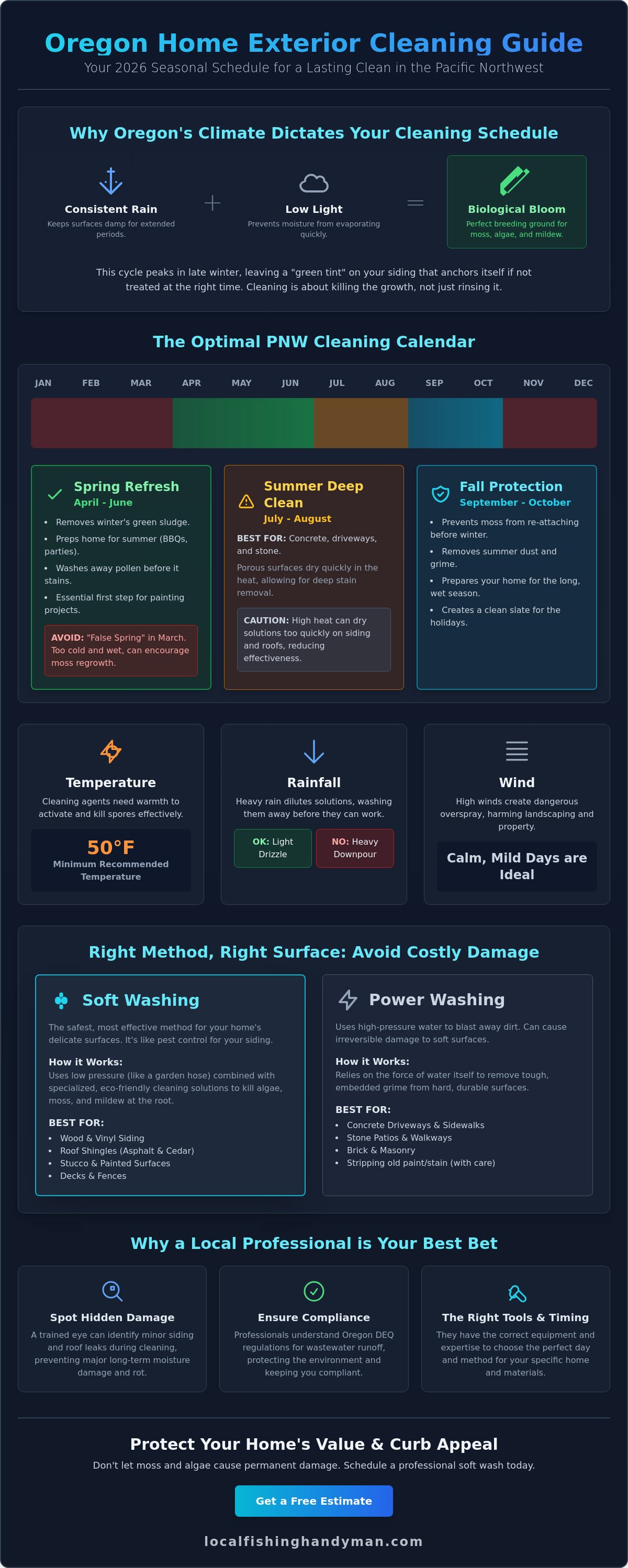
Oregon's weather is unique, and your maintenance schedule has to match it. We don't just deal with standard road dust; we deal with living organisms. The Pacific Northwest experiences a biological bloom where algae and moss peak in late winter. This happens because our consistent rain and low light levels provide the perfect environment for these spores to thrive. By the time the sun finally breaks through in the spring, that green tint on your siding has already established a firm grip.
Determining the best time to power wash house in Oregon requires understanding this cycle. If you wait until mid-summer to remove winter grime, the moss has already spent months anchoring itself into your siding or shingles. However, cleaning too early in the damp season can be counterproductive. High humidity keeps spores active longer. If the surface doesn't dry out properly after a wash, you're essentially watering a garden of algae. We find that hitting the window right as the weather stabilizes prevents this rapid regrowth.
Temperature is just as important as the date on the calendar. Professional cleaning agents are chemically designed to work best when it's at least 50°F outside. While Pressure washing can remove surface dirt at almost any temperature, you need warmth to activate the treatment solutions that actually kill the spores. Without that chemical action, you're just giving the moss a haircut instead of removing it at the root.
The Problem with PNW Moisture and Algae
North-facing walls in Oregon need the most attention because they stay damp nearly all year. Without direct sunlight to dry the siding, moisture sits on the surface and mixes with airborne dust. This creates a nutrient-rich breeding ground for mold and mildew. Leaving this winter sludge on your home until July allows these organisms to penetrate deeper into the material. This often leads to permanent staining or even rot in wood siding and deck boards.
Temperature vs. Rainfall: What Matters Most?
You don't need a perfectly sunny day for a successful cleaning. A light Oregon drizzle is usually fine, but a heavy downpour is a dealbreaker. Heavy rain dilutes the cleaning solutions and washes them away before they can penetrate the moss. Wind is another critical factor, especially in the open areas of the Willamette Valley. High winds create a risk of overspray, which can carry cleaning agents onto sensitive landscaping or your neighbor's property. We look for those calm, mild days where the temperature stays above the 50-degree mark to ensure the job is done right.
The Ideal Windows: Spring vs. Early Fall in the Pacific Northwest
Timing your exterior maintenance in the Pacific Northwest is an art form. While the calendar says one thing, the clouds often say another. Most homeowners find that the best time to power wash house in Oregon falls into two distinct windows: the refreshing spring clean and the protective fall wash. Each season offers specific benefits for your home's longevity and appearance.
Don't let a few sunny days in March fool you. We call this the "False Spring" trap. While it might look like a great time to start, the ground is usually still saturated and the nights are too cold for cleaning agents to work effectively. If you spray down your home during a March warm spell only for the rain to return for another three weeks, you've just provided fresh water to the very moss you're trying to kill. It's better to wait for the consistent warmth of mid-April.
The heat of July and August is perfect for heavy-duty tasks like cleaning concrete driveways or stone walkways. These porous surfaces dry quickly in the summer sun, allowing for deep stain removal that might be difficult in damper months. However, for siding and roofs, the intense sun can sometimes dry cleaning solutions too fast. This is why many professionals prefer the milder temperatures of late spring or early autumn. According to this , using the right equipment and technique for the specific job is vital to avoid surface damage.
The Case for Spring Cleaning (April to June)
Once we hit mid-April, the weather usually stabilizes. This is the most popular time for a thorough cleaning because it removes the "green tint" of algae that built up over the dark winter. It's the perfect way to prep your home for graduation parties and BBQ season. Additionally, a spring wash prevents pollen from bonding to your siding, which can lead to stubborn yellow staining if left through the summer heat. If you're planning on touch up painting or staining your deck later in the year, this is the essential first step for surface preparation.
The Strategic Fall Clean (September to October)
September and October represent a strategic window that many homeowners overlook. Think of this as a vaccination for your property. By cleaning now, you kill moss spores while they are still in their early growth phase, right before the heavy November rains hit. This proactive approach keeps your home cleaner for much longer throughout the winter months. It's also the perfect time to clear your gutters and siding of summer dust and debris before the wet season locks that grime in place.
Power Washing vs. Soft Washing: Choosing the Right Method
Many homeowners use the terms interchangeably, but using the wrong method can lead to expensive repairs. While you might be looking for the best time to power wash house in Oregon, you need to know which surfaces can actually handle that force. Power washing uses high-pressure water to blast away grime. This is excellent for hard surfaces like concrete driveways. However, for your siding and roof, soft washing is the safer and more effective choice.
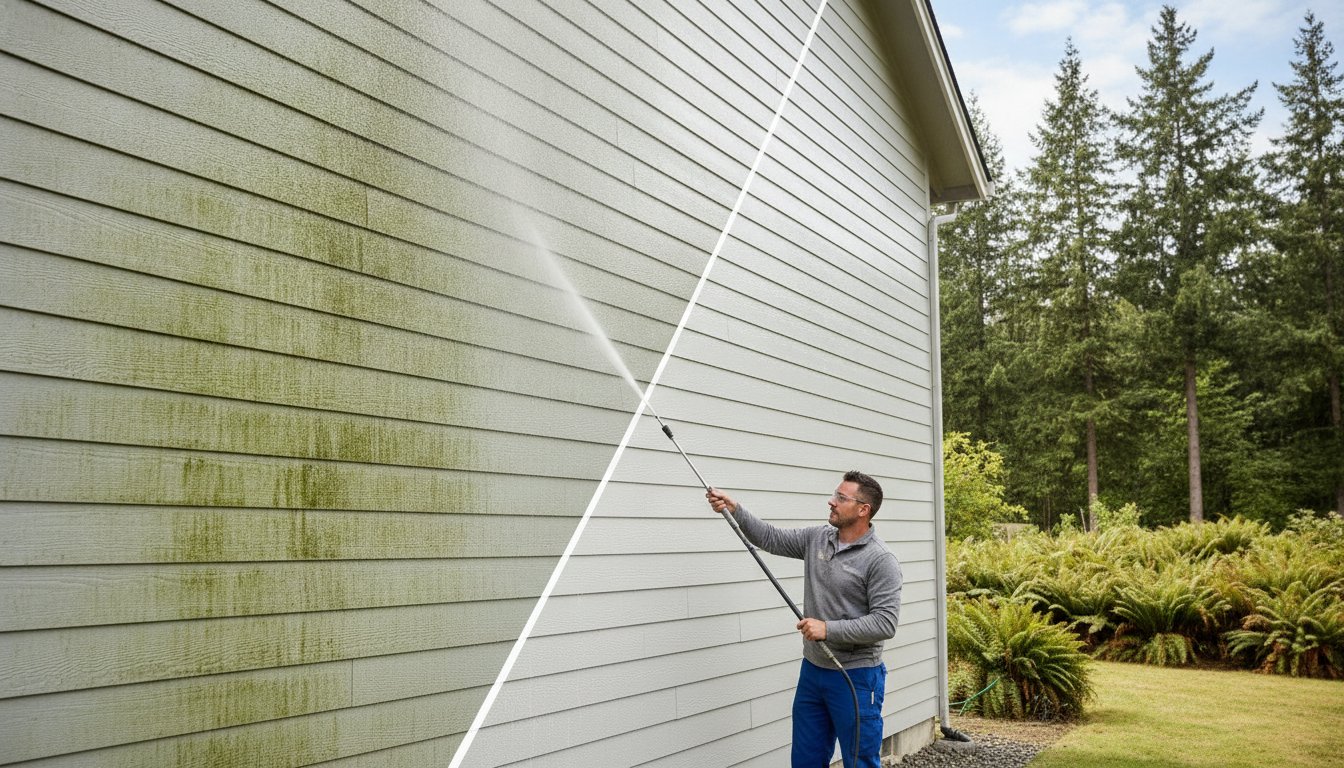
Soft washing uses low-pressure water combined with specialized, biodegradable cleaning solutions. This method doesn't just push dirt around; it kills the algae and moss at the root. In our damp climate, this "Moss-Off" approach is vital because it prevents the green tint from returning just a few months later. High-pressure water often misses the microscopic spores, meaning the growth starts back up almost immediately. It's a results-oriented way to ensure your home stays clean through the next rainy season.
When to Use High Pressure
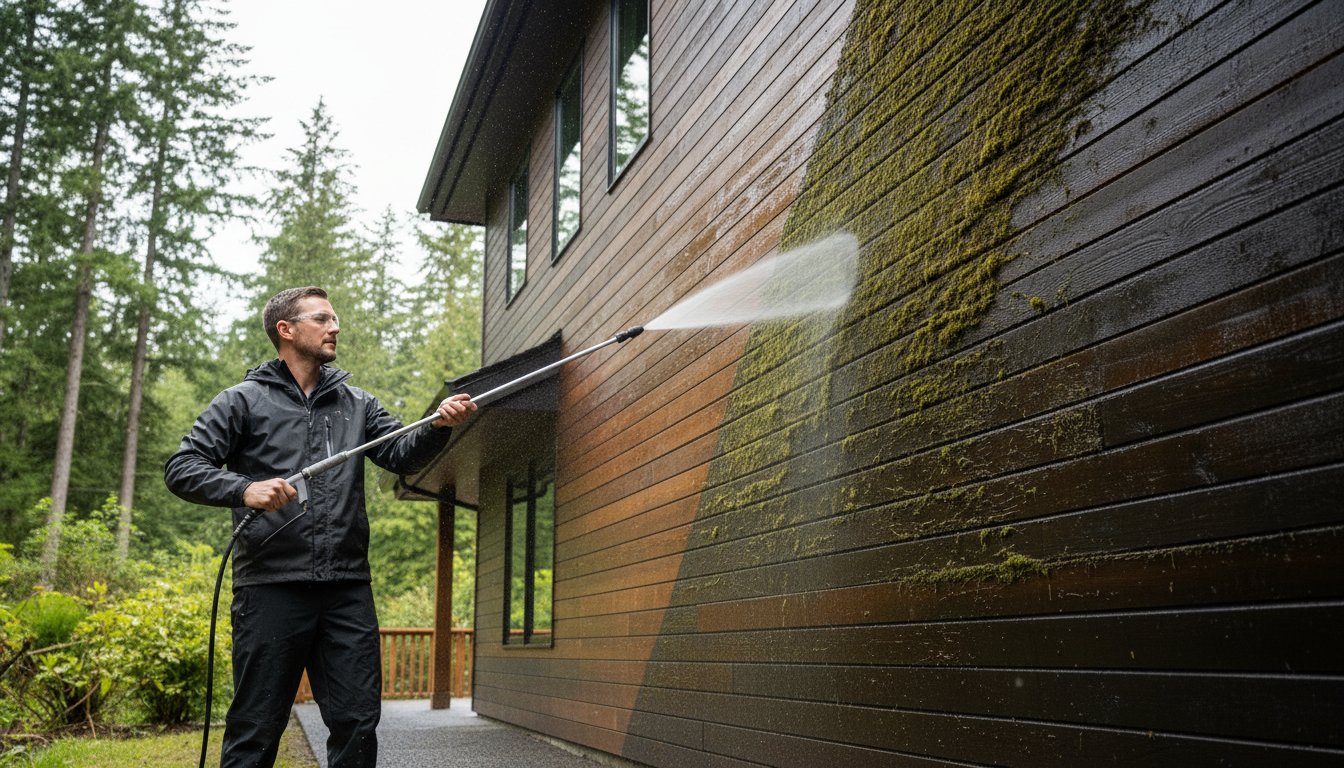
Reserve high pressure for your most durable surfaces. It's the right tool for cleaning oil stains from concrete driveways or clearing thick moss from stone walkways. If you're planning on Deck Repairs that involve stripping and sanding, a high-pressure wash can help remove old, failing finishes. But be careful. Using high pressure on cedar or vinyl siding is a mistake. It can force water behind the panels, leading to mold inside your walls, or it can "fuzz" the wood fibers on cedar siding, ruining the aesthetic of your home.
Why Softwashing is the Oregon Standard
In the Pacific Northwest, softwashing has become the standard for residential care. This is especially true for roofs. High-pressure water can strip the protective granules off asphalt shingles, which significantly shortens the life of your roof. In fact, many manufacturers will void your siding or roof warranty if they find out you used high-pressure cleaning methods. Our Softwashing Houses service uses a gentle approach that protects these warranties while delivering a deeper clean.
The science behind it is simple. Biodegradable cleaners break down the organic bond that moss and algae have with your home. Because the roots are neutralized, surfaces typically stay clean 2 to 3 times longer than they would with a water-only wash. It's a more methodical way to work that prioritizes the long-term durability of your property. We always recommend this method for delicate surfaces to ensure your home stays protected from moisture damage without the risk of structural harm.
Surface-Specific Timing: When to Tackle Roofs, Decks, and Driveways
Different surfaces on your property react to the Oregon climate in unique ways. While we have established that the best time to power wash house in Oregon generally falls in the spring and fall, your driveway doesn't follow the same strict rules as your cedar siding. Concrete and stone are durable and can be cleaned almost any time the temperature stays above freezing. However, your roof and wooden structures require a much more methodical approach to avoid trapping moisture inside the materials.
For most Oregonians, a mandatory late November task is professional gutter cleaning. This is the final step in your yearly maintenance cycle. If you skip this, the heavy winter rains will overflow, leading to foundation issues or water backing up under your shingles. We recommend timing your major exterior washes around these specific surface needs to ensure every part of your home stays protected through the 2026 season.
Roof and Gutter Synergy
There is a specific order of operations you should follow for a clean home. You should always clean the roof before you tackle the gutters. If you do it in reverse, the moss and debris we clear from your shingles will immediately clog your freshly cleaned downspouts. Late spring and early fall are the ideal windows for our Softwash Moss-Off Roof Treatment. This timing allows the treatment to neutralize spores before they can grow during the wet months. By staying ahead of this growth, you can often avoid the need for more expensive Roof Leak Repairs caused by moss lifting your shingles and allowing water to seep into the attic.
Decks, Fences, and Siding
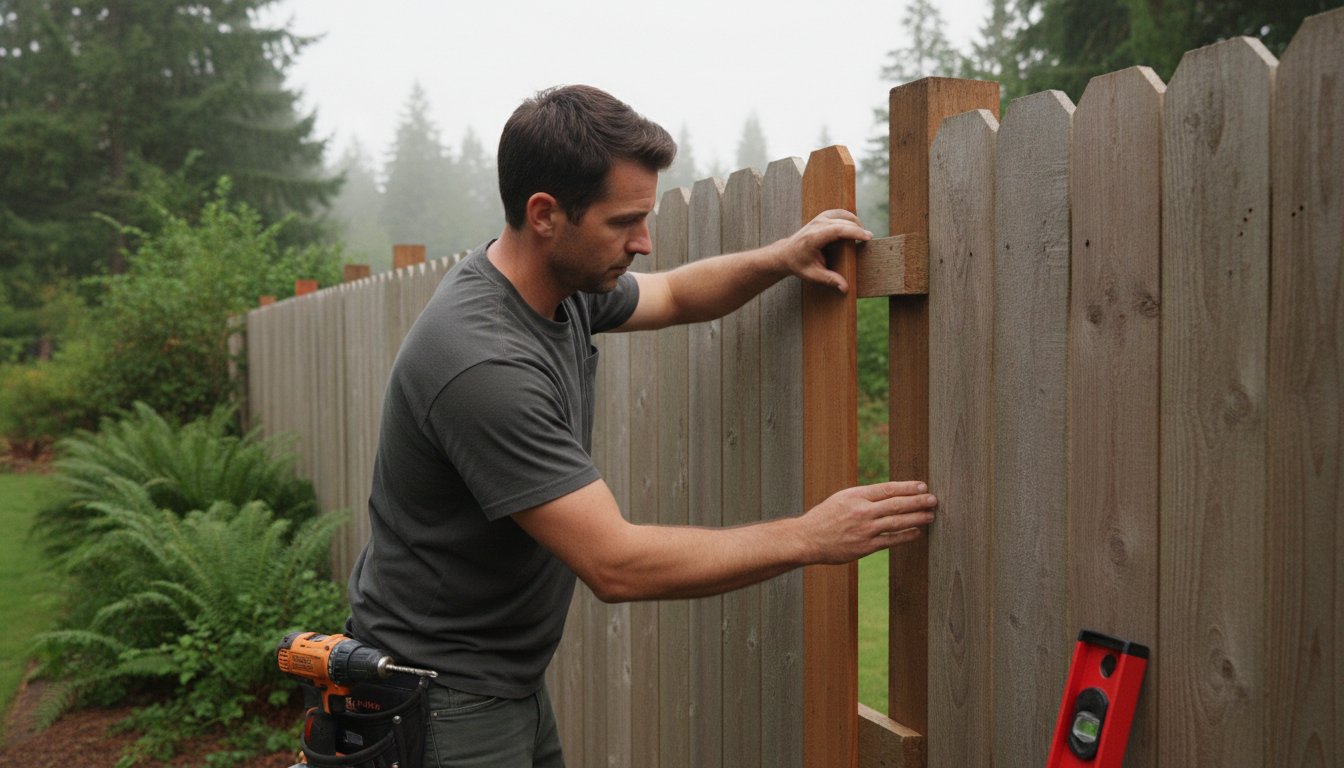
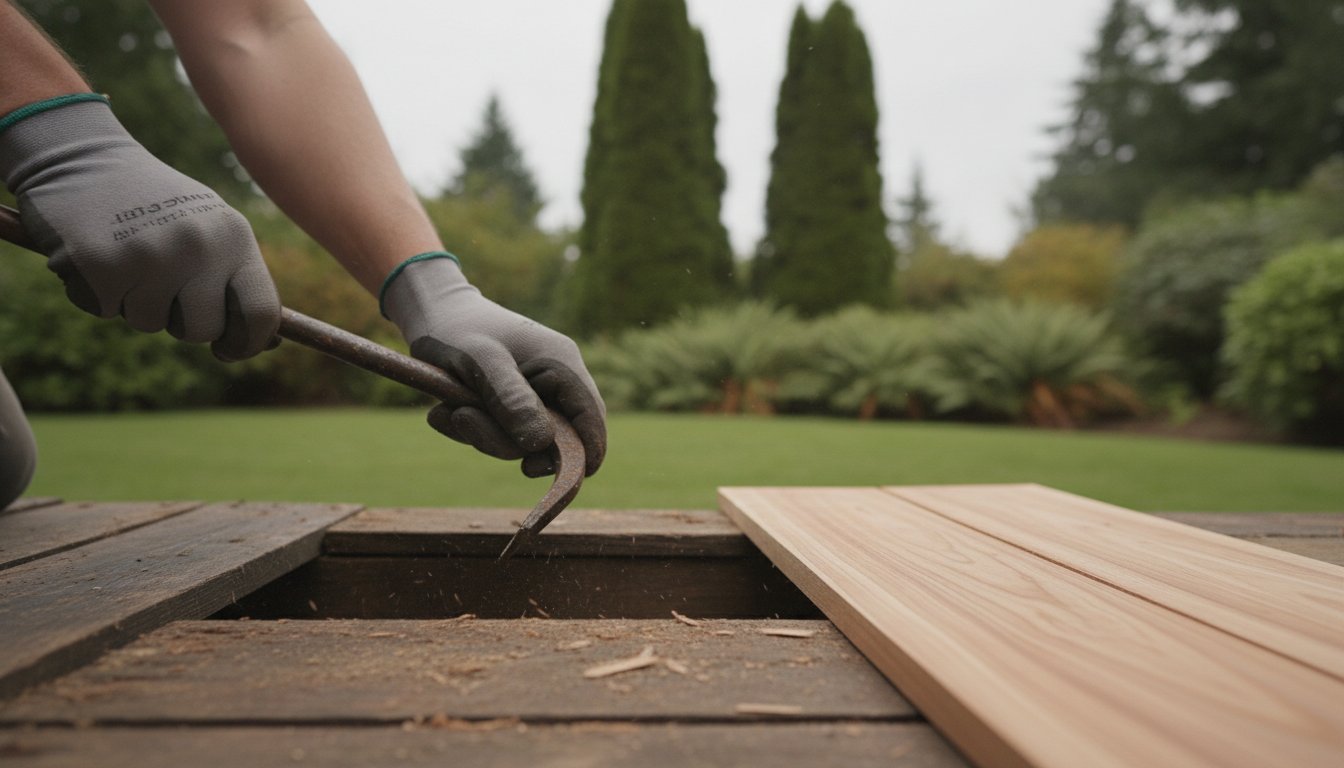
Wood requires the most patience. You should wait for a reliable three-day dry window in early summer before starting Deck Repairs or Fence Repairs. Washing wood too late in the fall is a common mistake. If the wood doesn't have time to dry completely before the humidity spikes, you end up trapping moisture deep in the grain. This leads to internal rot that you won't see until it's too late.
If you are planning to refresh your home's look, remember the 48-hour dry rule. You need at least two full days of dry weather after a wash before you apply any stain or Touch up Painting. Spring is also the perfect time to inspect the integrity of your home's exterior. We often find that Siding Repairs are best handled immediately after a spring wash. This allows us to see the actual condition of the boards once the winter sludge is gone. If you've noticed green growth or stubborn stains, it's time to schedule your Softwashing Houses service to protect your investment before summer arrives.
Why a Licensed Local Handyman is Your Best Bet
Choosing the best time to power wash house in Oregon is only half the battle. The other half is choosing the right professional for the job. While a dedicated cleaning crew might blast through the work, a seasoned local handyman brings a different level of scrutiny to your property. We don't just see dirt; we see the overall health of your home's exterior. During the cleaning process, we are inches away from your siding and roof, which is the perfect time to identify issues before they become emergencies.
We often find Roof Leak Repairs that haven't shown up inside the house yet. We can also spot cracked boards or failing seals that require Siding Repairs before the next rainy season begins. This methodical approach ensures that your home isn't just clean on the surface but is also protected from moisture damage. It's about providing a sense of security and confidence that your biggest asset is being handled with care by someone who knows what to look for.
The Value of a Licensed Pro (CCB#254463)
In Oregon, being "Licensed, Bonded, and Insured" is a critical standard for your protection. If an unlicensed cleaner gets injured on your property or causes accidental damage to your roof shingles, you could be held financially liable. Hiring an unlicensed worker is a major risk that can lead to expensive legal headaches. CCB registration protects Oregon homeowners by providing a path for dispute resolution and ensuring the contractor carries the required bonds and insurance for residential work. We take pride in maintaining these professional standards to keep our neighbors safe.
The Handyman Advantage
Local Fishing Handyman LLC understands the specific environmental challenges of your neighborhood. We know which areas get the most shade and which homes are prone to heavy moss growth due to local wind patterns. This regional expertise allows us to perform tasks correctly without shortcuts. You aren't just a number on a corporate route; you're a neighbor who deserves high-quality outcomes. Request a free estimate for your Oregon home maintenance today and let's get your home ready for the 2026 season.
Secure Your Home's Future with Professional Seasonal Care
Protecting your property in the Pacific Northwest requires more than a quick spray. You now know that the best time to power wash house in Oregon falls during those strategic windows in late spring and early fall. By choosing soft washing over high pressure, you protect your siding and roof shingles from damage while neutralizing moss at the root. This methodical approach ensures your home stays clean longer and remains structurally sound against our constant humidity.
Local Fishing Handyman LLC brings years of local expertise to every project. We're fully Licensed, Bonded, and Insured (CCB#254463), providing you with the reliability you expect from a hardworking local craftsman. Whether you need our specialized Softwash Moss-Off Roof Treatment or a complete exterior refresh, we focus on high-quality outcomes without taking shortcuts. Don't let another rainy season take a toll on your siding or deck.
Get your free Oregon exterior maintenance estimate today and give your home the professional care it deserves. We look forward to helping you maintain a beautiful, durable property.
Frequently Asked Questions
Can I power wash my house in the winter in Oregon?
You should generally avoid power washing your house during an Oregon winter. Freezing temperatures can cause water to expand in cracks or damage the internal pumps of the cleaning equipment. Most professional cleaning solutions also require temperatures to stay above 50°F to effectively kill moss and algae spores. Washing in the winter often leaves the surface damp for too long, which can actually encourage more organic growth.
How often should I power wash my house in the Pacific Northwest?
Most homeowners find that once a year is the best time to power wash house in Oregon to keep up with our unique climate. The high humidity and consistent rainfall in the Willamette Valley mean that algae and moss can establish a foothold quickly. Annual cleaning prevents these organisms from causing permanent staining on your siding or leading to rot in your wooden structures.
Will power washing damage my siding or paint?
High-pressure washing can absolutely damage your siding or strip your paint if the wrong technique is used. This is why we use soft washing for delicate surfaces like vinyl, cedar, and painted wood. Soft washing uses low-pressure water combined with specialized cleaners to remove grime safely. This method protects the integrity of your home's exterior while delivering a deeper clean than high-pressure water alone.
What is the difference between power washing and soft washing?
Power washing relies on high-pressure water to blast away heavy dirt and stains from hard surfaces like concrete driveways and stone walkways. Soft washing uses a much lower pressure, similar to a garden hose, combined with biodegradable cleaning solutions. This method is designed to kill moss and algae at the root, making it the safer choice for roofs, siding, and fences.
Do I need to be home when the handyman power washes my house?
You don't need to be home for the duration of the cleaning service. As long as we have access to a working exterior water spigot and you've ensured that all windows and doors are securely shut, we can complete the job. We recommend clearing any patio furniture or decorative items from the work area before we arrive to ensure a smooth and efficient cleaning process.
How much does it typically cost to power wash a house in Oregon?
Is it better to power wash in the morning or evening?
Morning is usually the preferred time for exterior cleaning in the Pacific Northwest. Starting early allows the house to have the maximum amount of daylight hours to dry completely, which helps prevent new mold or mildew from forming. It also avoids the direct, hot afternoon sun that can cause cleaning solutions to dry too quickly on the siding, which often leads to unsightly streaks or spots.