Last Tuesday, a homeowner in Southeast Portland discovered a tea-colored stain spreading across their ceiling right next to the chimney stack. It's a frustratingly common sight after a few days of our persistent Oregon drizzle, and it usually means your home's primary defense against 40 inches of annual rain has failed. You know that ignoring the problem leads to rot and mold, but finding a reliable pro for a chimney flashing leak repair in Portland often feels harder than the actual fix.
We understand the confusion of choosing between a mason, a roofer, or a handyman for these essential maintenance tasks. This guide will help you identify the source of the drip, understand the 2026 costs, which typically range from $300 to $500 for basic repairs, and ensure your home stays dry. We'll preview the latest Oregon Residential Specialty Code requirements and show you how to find a CCB-licensed expert who values quality workmanship and fair pricing as much as you do.
Key Takeaways
- Learn how to spot early warning signs like ceiling stains and interior fireplace drips before they lead to expensive structural rot.
- Understand the three-part flashing defense system and why traditional seals often fail in the face of Oregon's acidic rain and freeze-thaw cycles.
- Discover the professional steps for a chimney flashing leak repair in Portland, including workspace preparation and the importance of timing repairs between rain fronts.
- Compare durable materials like galvanized steel and copper to ensure your roof repair provides a long-term, weather-resistant solution.
- Find out why hiring a CCB-licensed local handyman with 15 years of experience ensures a fast, reliable, and high-quality repair for your home.
Signs You Need Chimney Flashing Leak Repair in Portland
Portland receives approximately 40 inches of rain annually. This relentless moisture finds every tiny gap in your roof system. If you see a tea-colored stain on your ceiling or walls near the fireplace, you likely need a chimney flashing leak repair in Portland. These stains often start as small, faint circles but grow rapidly during the long wet season from November to March. Don't wait for a puddle on the floor. A damp spot is a clear signal that your home's primary defense system has been compromised.
Flashing (weatherproofing) is the metal barrier designed to guide water away from the joint where the chimney meets the roof. When this barrier fails, water seeps directly into your structural framing. Because Portland's climate is so damp, even a pinhole leak can lead to significant mold growth within a single season. We've seen small neglected leaks turn into major repairs because the water sat behind the drywall for months without being noticed.
Interior Red Flags to Watch For
You can often diagnose a problem without ever stepping outside. Listen for a "drip-drop" sound inside the firebox during a heavy downpour. This is a classic sign of flashing failure. Check your attic with a high-powered flashlight during a storm. If you smell musty wood or see dark, damp streaks on the chimney masonry below the roofline, the leak is active. Peeling paint or bubbling wallpaper on the chimney breast are critical warnings. In our 15 years of experience, these signs often mean water has already saturated the insulation and is moving toward your structural joists. Ignoring these small leaks during a cold Oregon winter is dangerous. The freeze-thaw cycle can expand trapped water, turning a minor gap into a major structural failure by spring.
Exterior Inspection: What to Look for from the Ground
You don't always need a ladder to spot trouble. Grab a pair of binoculars and look at the base of your chimney from the sidewalk. Look for rusted metal edges or visible gaps in the sealant where the metal meets the brick. Look for thick moss growth at the chimney base. In the Pacific Northwest, moss acts like a sponge, holding water against the metal and accelerating rust. Check if your chimney has a "cricket," which is a peaked structure behind the chimney. The 2023 Oregon Residential Specialty Code requires these for any chimney wider than 30 inches. Their job is to divert water away from the back of the masonry. If your wide chimney lacks a cricket, or if the cricket's own flashing is failing, you are facing a high risk of roof rot. Identifying these visual cues now can save you from a full masonry rebuild that might cost upwards of $3,000.
Understanding the Chimney Flashing System: Why It Fails
Think of chimney flashing as the weather-resistant bridge between your roof and your chimney masonry. It's the most vulnerable part of your roof because it joins two different materials. Brick and mortar move at a different rate than wood and shingles. This constant shifting creates gaps that water loves to exploit. While a chimney flashing leak repair in Portland might seem like a small job, it's actually a complex multi-layered defense system. When one part of that system fails, the rest usually follows.
It helps to know the difference between a simple reseal and a full replacement. A reseal involves applying new high-grade sealant to existing metal. This is often a temporary fix for minor leaks. A full replacement involves tearing out the old metal and weaving new pieces into the roof. This is a more permanent solution. If you're unsure whether you need a quick patch or a full tear-off, having an expert look at it provides peace of mind before the next storm hits.
The Anatomy of a Waterproof Chimney
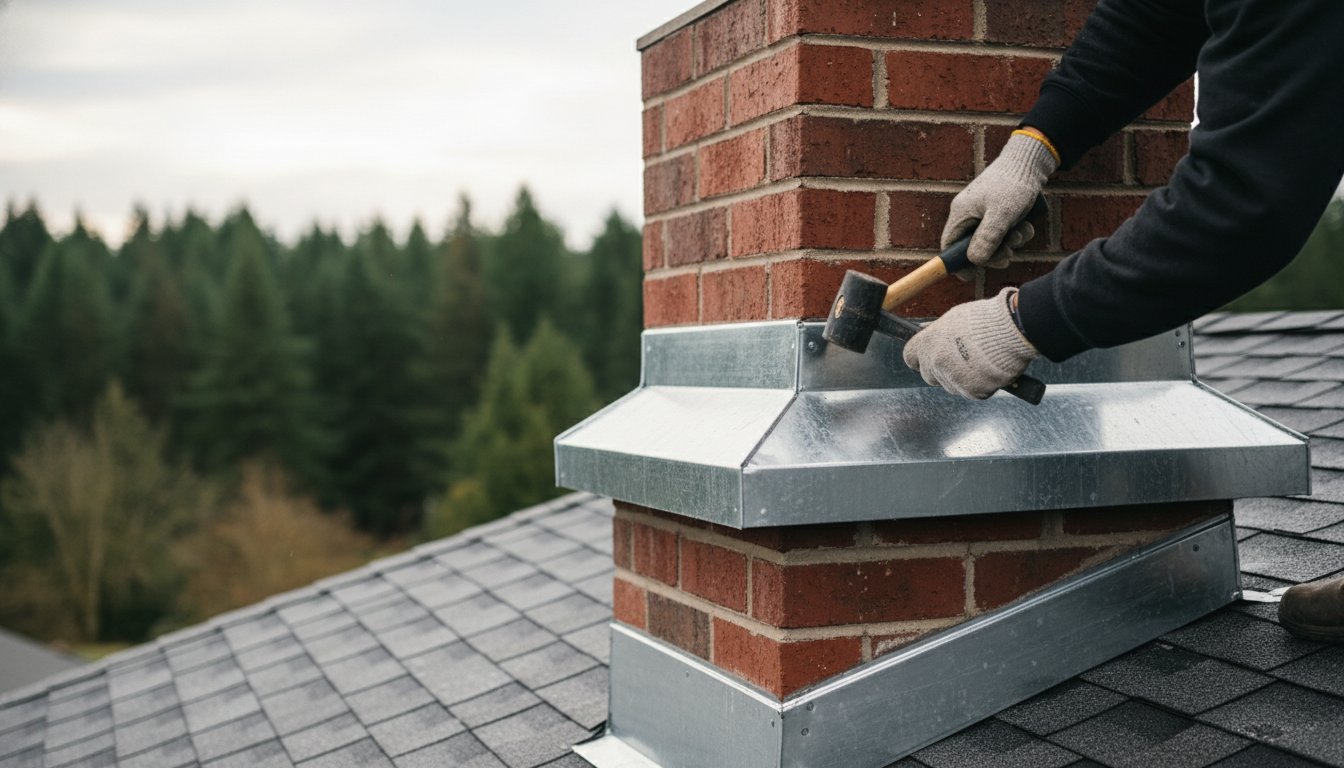
A professional flashing system uses three specific parts to shed water. First, the apron flashing sits at the front of the chimney to guide water over the shingles. Second, step flashing consists of L-shaped metal pieces woven into the side shingles. These are hidden from view but are your primary defense against leaks. Finally, counter-flashing is the visible metal embedded directly into the mortar joints. It acts like a cap, covering the tops of the other pieces to keep water from getting behind them. These parts must work together perfectly. If they don't, water will wick underneath and rot your roof deck.
Common Failure Points in the Pacific Northwest
Portland's weather is notoriously hard on roofing materials. Our freeze-thaw cycles cause metal to expand and contract rapidly. This movement eventually cracks old, brittle roofing cement. Many older homes in the area were repaired with "black jack" or tar, which dries out and fails under Oregon's temperature swings. We also frequently see nail pops and rusted fasteners. High humidity leads to corrosion on cheaper galvanized materials, creating tiny holes that let moisture in.
Another major issue is the lack of a chimney cricket. A cricket is a small, peaked structure built behind the chimney. It diverts heavy water flow around the masonry instead of letting it pool. Without a properly flashed cricket, water builds up against the back of the chimney. This leads to accelerated wear and eventual failure. If you have a wide chimney, a cricket is a requirement under current building standards to prevent long-term rot. Ensuring these components are in top shape is the best way to avoid a major chimney flashing leak repair in Portland later on.
How to Repair a Leaking Chimney Flashing: The Professional Process
Safety is the first and most important step in any roof project. Working on a steep pitch in the Pacific Northwest requires professional-grade harness gear and specialized roof anchors. We never attempt a repair during a rainstorm. Sealants and adhesives need a dry surface to bond correctly. A chimney flashing leak repair in Portland performed on a wet roof is guaranteed to fail within months. We wait for a clear weather window to ensure the repair is durable and your investment is protected. Cleaning the workspace is equally vital. We remove all moss, pine needles, and debris that trap moisture against the metal. We also scrape away every bit of failed, brittle caulking to create a smooth, clean surface for new materials.
Preparation and Diagnostic Steps
We don't guess where the water is coming from. We use a controlled water test to confirm the exact leak entry point. This involves running a low-pressure hose at the base of the chimney and watching for moisture inside the attic or firebox. Once the source is found, we carefully remove the surrounding shingles. We use a pry bar to lift them without causing cracks or losing the protective granules. This gives us access to the hidden step flashing underneath. We then use a wire brush and scrapers to remove old tar or silicone. Getting down to the bare metal or masonry is the only way to ensure a permanent bond with new high-grade, UV-resistant sealants.
Executing the Repair: A Step-by-Step Guide
Our process is methodical and focused on quality workmanship. We follow these four critical steps to restore your home's defense system:
- Step 1: Re-securing counter-flashing. we check the metal embedded in the mortar. If it's loose, we clean the joint and re-secure it with masonry fasteners or fresh mortar to prevent water from slipping behind the base layers.
- Step 2: Replacing damaged components. We swap out any rusted or bent step flashing pieces. If the metal is pitted or has holes, a simple patch won't work. We install new, heavy-gauge metal that overlaps correctly to shed water.
- Step 3: Applying professional sealant. We use an elastomeric sealant that remains flexible. This is crucial because it allows the metal to expand and contract during Portland's temperature swings without cracking.
- Step 4: Re-installing shingles. We carefully tuck the shingles back into place, ensuring they are properly nailed and sealed. This creates a seamless, watertight transition from the roof deck to the chimney masonry.
Deciding whether to patch or replace depends on the condition of the metal. If the flashing is structurally sound but the seal has failed, a high-quality patch is a cost-effective solution. However, if we find rust or "pin-holing," we always recommend a full replacement of that component. With over 15 years of experience, we've seen how cutting corners on cheap materials leads to bigger headaches. We do the job right the first time so you can enjoy peace of mind during our long, rainy winters.

Portland-Specific Considerations: Materials and Weather Windows
Portland's environment creates a unique set of challenges for any roof system. Our rainfall is slightly acidic, which means standard galvanized steel flashing eventually succumbs to corrosion. While galvanized metal is a common choice, many homeowners choose copper for its 50-year lifespan and natural resistance to the elements. Choosing the right material for a chimney flashing leak repair in Portland determines whether you'll be dealing with the same drip again in five years or fifty. We've found that high-quality materials are the only way to protect your investment in this climate.
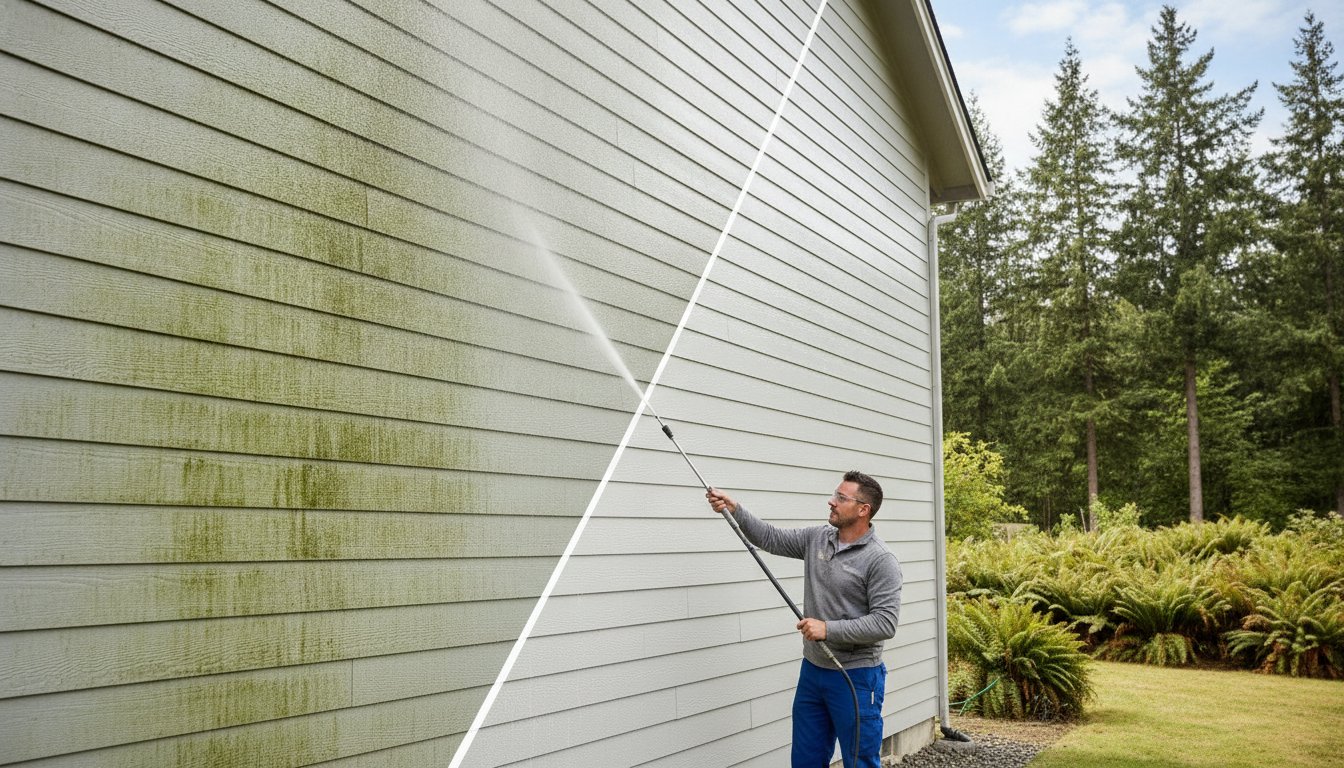
Moss is another local factor that homeowners often overlook. In the Pacific Northwest, moss grows thick at the base of chimneys, acting like a sponge that holds water against the metal. This constant moisture accelerates rust and can even physically lift the edges of your flashing. We recommend regular soft washing and professional moss-off treatments. These maintenance steps prevent biological growth from compromising your roof's seal. Keeping the area clean ensures that water flows off the roof as intended rather than sitting and soaking into your masonry.
Choosing the Right Materials for Oregon Rain
We don't use cheap hardware store "roof patch" compounds because they dry out and crack within six months. Instead, we rely on high-performance elastomeric sealants like Geocel or SolarSeal. These products are designed to stay flexible and bond to both metal and brick, even during our 30-degree temperature swings. For older Portland homes with irregular masonry, lead-free flexible flashing is an excellent option. It molds to the shape of the brick better than rigid steel, providing a tighter seal. Using the right sealant is the difference between a temporary patch and a durable solution that stands up to 40 inches of annual rain.
Timing Your Repair for Maximum Longevity
Timing is everything when it comes to permanent fixes. While we can perform a chimney flashing leak repair in Portland during the winter, the best results happen between July and September. This "dry window" allows sealants to cure fully in optimal conditions. If your chimney starts leaking in the middle of January, don't panic. We can provide emergency tarping to stop the water immediately and protect your ceiling from further damage. See our Emergency Roof Tarping Guide for more on these temporary fixes. Once the weather clears for at least 24 to 48 hours, we return to install the permanent repair.
If you suspect your flashing is failing, it's best to act before the next major front moves in from the coast. You can schedule a professional inspection today to catch small gaps before they become expensive interior renovations. Our team has over 15 years of experience identifying these specific local vulnerabilities.
Trusting a Licensed Portland Handyman for Your Roof Leak
Finding a contractor for a "small" job like a chimney leak can be a headache. Many large roofing companies prioritize full roof replacements and might put your repair at the bottom of a long waiting list. Choosing a licensed handyman for your chimney flashing leak repair in Portland is often the fastest way to stop the water. We specialize in these targeted repairs, providing a quick response before a small drip turns into a major ceiling renovation. At Local Fishing Handyman LLC, we bring over 15 years of experience to every project, ensuring that your home remains dry and secure.
Safety and trust are our top priorities. In Oregon, any contractor performing chimney or roof work must be licensed by the Construction Contractors Board (CCB). We are fully licensed, bonded, and insured under CCB #254463. This isn't just a number. It's your guarantee that we follow state safety standards and that your property is protected. Verifying a license gives you peace of mind that you're working with a professional who stands behind their workmanship. We take pride in our "get-the-job-done" approach, focusing on the quality details that protect your biggest investment.
Handyman vs. Roofing Company: Making the Choice
A full chimney rebuild or a complete roof tear-off is a major construction project. However, most flashing issues are maintenance-related tasks that a skilled craftsman can handle efficiently. You get a direct, one-on-one relationship when you work with us. You'll talk to the person actually doing the work, not a sales representative. We also focus heavily on prevention. Our "Moss-Off" treatments are a core part of our service. By removing moss before it lifts your flashing, we help you avoid the need for a chimney flashing leak repair in Portland altogether. It's a practical way to extend the life of your roof without the high overhead of a massive construction firm.
Protect Your Investment with Local Fishing Handyman
We believe in durable solutions that stand up to the unique challenges of the Pacific Northwest. Our goal is to provide top-notch service that keeps your home safe for years to come. We also take pride in supporting our community. We offer a senior citizen discount to help our neighbors maintain their homes on a budget. If you're tired of chasing "no-show" contractors or dealing with confusing quotes, we're here to help. We provide straightforward estimates and honest advice based on over a decade and a half of local hands-on skills.
Contact Local Fishing Handyman today for your chimney leak estimate!
Protect Your Home Before the Next Storm
Your chimney is a vital part of your roof's defense system. We've discussed how catching ceiling stains and fireplace drips early saves you from expensive repairs later. Using high-performance sealants and the right metals for our climate ensures your home stands up to Oregon's 40 inches of annual rain. Securing a professional chimney flashing leak repair in Portland is the most effective way to stop mold and rot before they damage your structural joists.
Local Fishing Handyman LLC brings over 15 years of local Oregon experience to every project. We are fully licensed, bonded, and insured (CCB#254463), specializing in PNW softwash treatments and targeted leak repairs. We focus on high standards and durable solutions so you can enjoy total peace of mind. Don't let a small gap turn into a major headache this winter.
Schedule Your Professional Chimney Flashing Inspection today to protect your investment. We're here to help you keep your home dry, safe, and ready for whatever the Portland weather brings next.
Frequently Asked Questions
How much does chimney flashing repair cost in Portland?
Basic flashing repairs in Portland typically cost between $300 and $500 as of May 2026. If the damage is extensive and requires a complete replacement of the metal components, the price usually ranges from $600 to $900. More complex jobs involving masonry repair can reach up to $2,000. Labor currently accounts for up to 60% of the total cost for roofing projects in the Pacific Northwest.
Can I use roof cement to fix a chimney leak myself?
You should not use standard roof cement as a permanent solution because it becomes brittle and cracks under Oregon's temperature swings. While it might provide a temporary patch for a few weeks, it's not a durable fix. Professional chimney flashing leak repair in Portland requires high-performance elastomeric sealants. These products stay flexible and bond correctly to both metal and masonry without failing during our long winters.
How long does a professional chimney flashing repair take?
A professional repair typically takes between 3 and 6 hours to complete depending on the size of the chimney. This timeframe includes setting up safety equipment, cleaning away old debris, and applying new materials. If we find significant rust or rot that requires a full replacement of the metal, the job may take a full day. We always wait for a dry weather window to ensure the sealants cure properly.
Do I need a mason or a roofer for a chimney leak?
A licensed handyman or a roofer is usually the best choice because flashing is a roofing component. While a mason works with the brick and mortar, the flashing creates the watertight bridge between the roof and the chimney. A craftsman with 15 years of experience can handle both the metalwork and the sealant application. Ensure any professional you hire carries an active license from the Oregon Construction Contractors Board.
How often should I have my chimney flashing inspected in Oregon?
You should have your chimney flashing inspected at least once every year before the heavy rains start in October. Portland's freeze-thaw cycles can cause sealants to pull away from the masonry over a single season. Regular inspections help you catch small gaps before they lead to structural rot. Catching these issues early can prevent a full chimney rebuild which often costs between $3,000 and $10,000.
Will a chimney leak cause mold in my Portland home?
Yes, a chimney leak will likely cause mold growth in your attic or walls if the moisture isn't stopped quickly. Portland's high humidity provides an ideal environment for mold to thrive once water enters the building envelope. If you see water stains on your ceiling, it's a sign that the insulation and drywall are already saturated. This hidden moisture can lead to wood rot and health issues if ignored.
What is the best sealant for chimney flashing in wet climates?
The best sealants for our wet climate are professional-grade elastomeric products like Geocel or SolarSeal. These materials are specifically designed to remain flexible while bonding to different surfaces like metal and brick. Unlike cheap silicone or tar, these sealants don't crack when the metal expands in the sun. Using high-quality materials is the most important step in a chimney flashing leak repair in Portland to ensure long-term durability.
Is chimney flashing repair covered by my homeowner's insurance?
Homeowner's insurance usually covers chimney leaks only if the damage was caused by a sudden event like a fallen tree or a major windstorm. Most policies do not cover repairs resulting from gradual wear and tear or a lack of regular maintenance. You should review your specific policy or contact your agent to confirm your coverage. Regular maintenance is typically the homeowner's responsibility to prevent slow water damage from occurring.