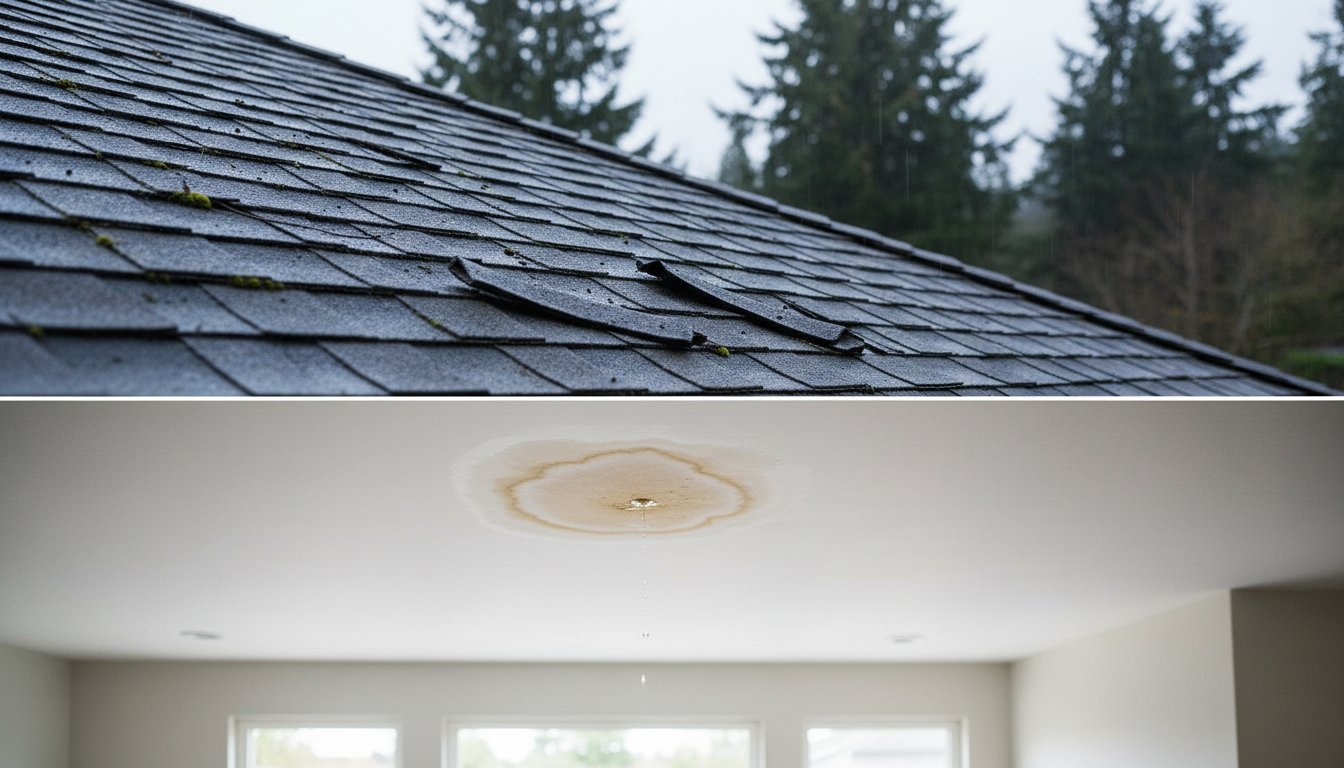
Last November, a homeowner in Salem noticed a dime-sized yellow spot on his ceiling after three days of steady rain. He waited just two weeks to call for help, but by then, the cost of water damage from roof leak Oregon families often face had already tripled due to rapid mold growth in our humid climate. It's a common story in the Pacific Northwest where moisture moves fast and structural rot follows even faster.
You likely understand the frustration of staring at a ceiling stain and wondering if you should call a massive roofing company or a local handyman. It's easy to feel overwhelmed by the fear of hidden damage behind your drywall. This 2026 guide provides a clear look at the real financial impact of these leaks and shows you how to stop a minor drip from becoming a multi-thousand dollar restoration project. We will compare repair versus restoration costs, outline an immediate mitigation plan, and help you hire a licensed local professional with total confidence.
Key Takeaways
- Understand the two-part financial impact of a leak, distinguishing between fixing the roof source and repairing interior consequential damage.
- Discover how Oregon’s unique climate and moss growth can quickly inflate the cost of water damage from roof leak Oregon residents experience.
- Learn immediate, practical steps to stop water ingress and protect your furniture during an active rainstorm.
- Compare the price difference between a minor shingle patch and a major ceiling restoration to see how much you can save with early detection.
- Find out how a licensed and bonded local handyman provides a streamlined defense by repairing both your exterior and interior in one visit.
Understanding the Scope of Water Damage Costs in Oregon
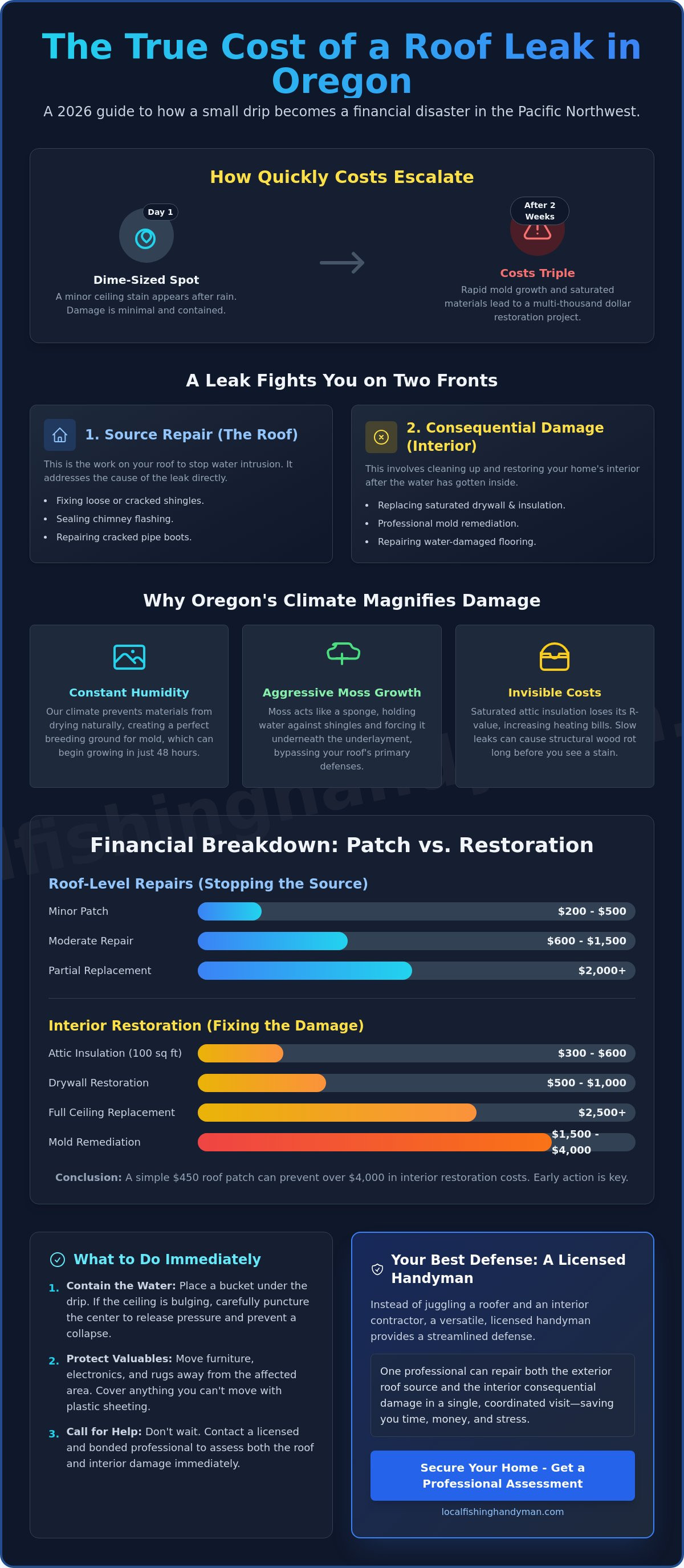
When you calculate the cost of water damage from roof leak Oregon homeowners face in 2026, you're looking at two separate financial hits. The first is the "Source Repair," which covers the actual work on your roof to stop the intrusion. The second is the "Consequential Damage," which involves the cleanup and restoration of your home's interior. In the Pacific Northwest, these costs are rarely isolated. If your shingles are failing, your drywall and flooring are likely already at risk.
Oregon's climate makes moisture issues far more aggressive than in drier states. Standard Water damage happens when liquid enters a structure, but our constant humidity prevents materials from drying out naturally. This leads to "invisible costs" that many people miss during an initial inspection. Saturated attic insulation loses its R-value immediately, and structural wood rot can weaken your rafters long before you see a spot on the ceiling. Secondary damage is the exponential cost increase caused by mold growth that typically begins within 48 hours of initial saturation.
The Anatomy of an Oregon Roof Leak
Most leaks don't start in the middle of a shingle. They begin at transition points. We often see failures at chimney flashing, cracked pipe boots, or valleys that are choked with moss. Similarly, window seals and frames are common moisture entry points; for homeowners in storm-heavy regions like the Florida Panhandle, the Emerald Coast Window Authority helps connect them with licensed experts to address these vulnerabilities. In Oregon, moss acts like a sponge, holding water against the roof surface and eventually pushing it under the shingles. Once water gets past the underlayment, gravity directs it toward the most expensive parts of your house. The attic acts as a "buffer zone" that can hide a slow leak for months. By the time you notice a drip, the plywood decking is often soft and ready for replacement.
Why 2026 Costs Differ from Previous Years
The cost of water damage from roof leak Oregon repairs has shifted significantly due to three main factors. First, material inflation for asphalt shingles and moisture-resistant drywall stayed steady at a 4 to 6 percent increase annually through 2025. Second, the labor market for licensed Oregon contractors is tighter than ever. You aren't just paying for a patch; you're paying for the expertise of a professional who understands local rain patterns. Finally, updated Oregon building codes now require stricter ventilation and insulation standards during major repairs. If a leak forces a large-scale ceiling replacement, you may be required to upgrade your attic's energy efficiency to meet current 2026 requirements. With over 15 years of experience in the field, we've seen that skipping the small repairs today leads to much larger code-mandated expenses tomorrow.
Breaking Down the Costs: Roof Repair vs. Interior Restoration
Oregon homeowners often face a tough choice when a leak appears. You can patch the source or fix the damage inside, but doing both is the only way to protect your investment. The cost of water damage from roof leak Oregon fluctuates based on how long the water has been dripping. A simple shingle patch usually runs between $150 and $450, while a full ceiling replacement can easily climb past $2,500. With over 15 years of experience in the Pacific Northwest, we know that waiting even two weeks can triple your repair bill.
Wet insulation is a hidden expense that many people overlook. When fiberglass insulation gets soaked, it loses its R-value entirely. Replacing a 100-square-foot section of attic insulation typically costs between $300 and $600. If you don't swap it out, your heating bills will spike during our cold, damp winters. Professional mold testing is another vital step. Standard testing costs about $300 to $600, while remediation for a single room can range from $1,500 to $4,000 depending on the growth density.
Roof-Level Repair Estimates
Minor repairs are your best defense against high costs. A 1 to 2 hour job to fix loose shingles or cracked flashing generally costs between $200 and $500. Moderate repairs involve more complex structures. Fixing a leaking skylight or installing a chimney cricket to divert water usually costs between $600 and $1,500. If more than 20% of your roof deck shows signs of rot, a partial replacement is often the only durable solution. These partial jobs can start at $2,000, but they prevent a total collapse of the home's structural integrity.
Interior Restoration and Cleanup Costs
Once water enters the home, the clock starts ticking. Drywall repair involves more than just a patch. Labor accounts for nearly 70% of the cost because matching textures like orange peel or knockdown requires a skilled hand. Expect to pay $500 to $1,000 for professional drywall restoration in a standard room. To ensure a dry environment, professional dehumidification and air scrubbing are essential. Industrial equipment rentals and monitoring usually cost $100 to $200 per day. This "peace of mind" ensures that moisture isn't trapped behind your walls.
Proper restoration also includes addressing any flooring that may have been impacted by the leak. To understand how professional cleaning services manage surface restoration in the Pacific Northwest, you can learn more about Anderson Carpet & Tile Cleaning and their specialized approach to carpets and tile.
Safety is the top priority when water hits your ceiling. You should always factor in $150 to $300 for an electrical safety inspection if water has traveled near light fixtures or outlets. For those dealing with significant intrusion, Ready.gov's guide to flood safety offers excellent advice on managing water risks safely. If you notice a spot on your ceiling, it is time to look into expert roof repairs before the cost of water damage from roof leak Oregon grows out of control. We provide honest, dependable service to keep your home dry and safe.
- Minor Damage: $500 - $1,500 (Small roof patch and minor drywall touch-up)
- Moderate Damage: $1,500 - $5,000 (Flashing repair, insulation replacement, and ceiling refinishing)
- Severe Damage: $5,000 - $15,000+ (Partial roof replacement, mold remediation, and structural drying)
Oregon-Specific Factors That Drive Up Repair Bills
Living in the Pacific Northwest means dealing with unique environmental challenges that other regions don't face. The cost of water damage from roof leak Oregon homeowners pay is often higher because our climate works against the home. It isn't just about the volume of rain. It's about how that moisture stays trapped against your roof structure for months at a time. I've spent over 15 years seeing how these local factors turn a small drip into a major structural repair.
One major issue is the "moss dam" effect. Thick moss growth acts like a sponge, soaking up water and holding it against the shingles. This creates a physical barrier that forces water to move sideways or upward under the shingle laps. Once water gets under the shingles, it hits the roof deck. In the Willamette Valley, humidity levels often stay above 70 percent during the winter. This high humidity means that once your attic or insulation gets wet, it won't dry out naturally. Mold can begin to grow within 24 to 48 hours in these damp conditions.
Geography also plays a role in your final bill. Coastal regions like Newport or Astoria face 100 mph wind gusts and salt air that corrodes flashing faster than inland areas. In contrast, homes in the valley deal with higher organic debris from Douglas firs. Additionally, the Oregon Construction Contractors Board (CCB) has strict standards for licensing and bonding. While these regulations ensure you get quality work, they also mean that professional labor rates reflect the cost of maintaining those high standards and required insurance coverages.
The PNW Moss and Algae Problem
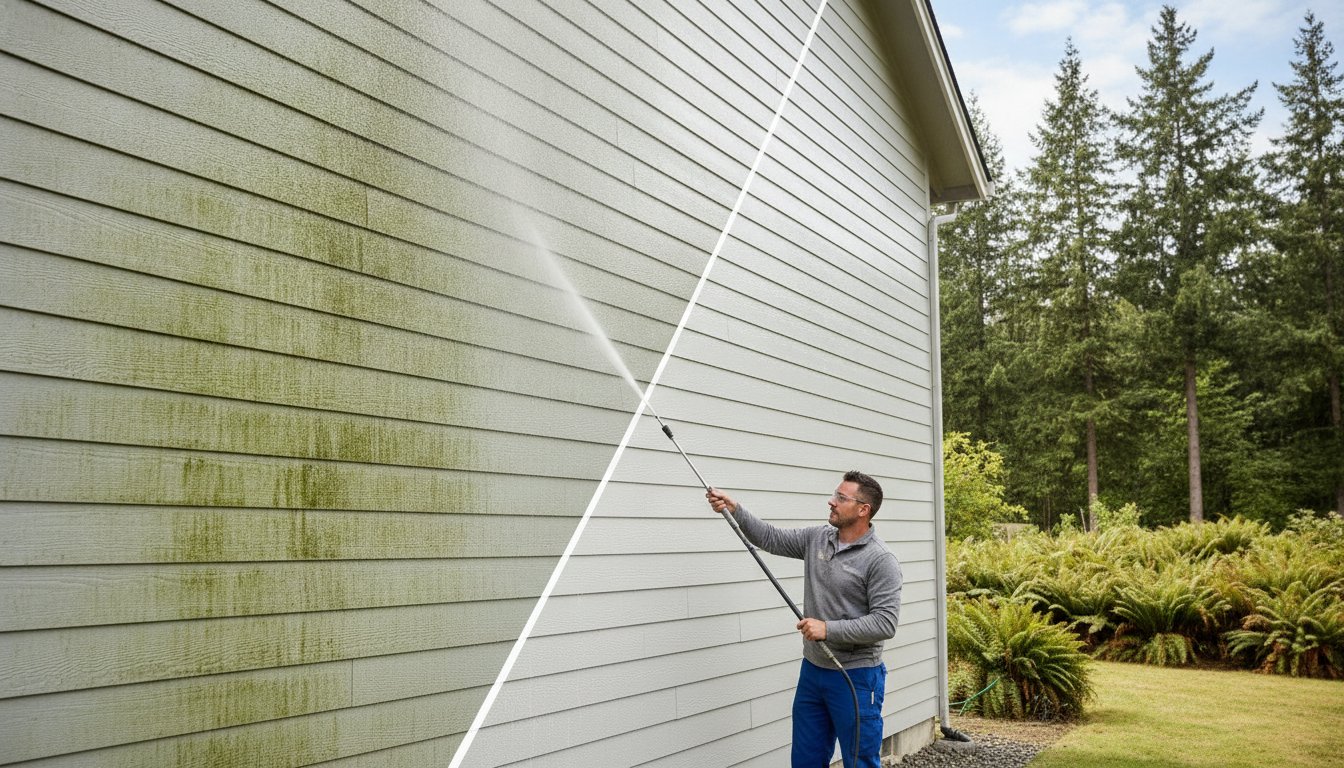
Moss is a roof killer in Oregon. We recommend softwash treatments using specialized solutions to kill moss at the root without damaging the shingles. Many homeowners try to save money by pressure washing their leaky roof. This is a mistake. High-pressure water strips away the protective granules and often forces more water into existing leaks. If you ignore moss, it will eventually rot the plywood roof deck. Replacing a few sheets of rotted plywood can add $100 to $150 per sheet to your repair bill.
Insurance Claims in Oregon: What’s Usually Covered?
Insurance companies distinguish between sudden and gradual damage. If a branch falls during a storm and causes a leak, it's usually covered. If a leak starts because you haven't cleaned your gutters or treated moss in five years, the claim will likely be denied. The CCB notes that "lack of maintenance" is the top reason for denied claims in our state. Before filing, compare your deductible to the repair estimate. If your deductible is $1,000 or $2,500, a simple handyman repair might be the more affordable path to protect the cost of water damage from roof leak Oregon residents want to avoid.
How to Mitigate Damage and Control Costs Immediately
When you spot a dark stain on your ceiling or hear the steady rhythm of a drip, you have to move fast. Acting within the first 60 minutes can drastically lower the overall cost of water damage from roof leak Oregon residents face during winter storms. Your first move is to place a bucket under the leak. If the water is pooling behind the drywall, use a screwdriver to poke a small hole in the center of the bulge. This directs the flow into your bucket and prevents the entire ceiling from collapsing under the weight of trapped water.
Once the active leak is contained, it's essential to address any moisture that has seeped into your floor coverings; you can find_out_more about professional carpet cleaning to prevent long-term damage and odors from setting in.
Move your furniture, rugs, and electronics to a dry room immediately. Once your belongings are safe, find the "drip point" and clear away any standing water on the floor. Start your HVAC system or set up high-powered floor fans to keep air moving. Mold spores can begin to colonize damp surfaces in as little as 24 to 48 hours. For those seeking professional guidance on structural protection and leak prevention, you can learn more about expert mitigation strategies. Taking 10 to 15 clear photos of the damage before you touch anything is essential for your insurance claim. These photos serve as proof of the original damage before any mitigation efforts begin.
The "Stop the Bleeding" Phase
Finding the source of a leak is often harder than it looks. Water rarely travels in a straight line. It follows the path of least resistance along your rafters. If you go into the attic, look for wet wood or "tracking" marks on the beams rather than looking at the floor. A temporary tarp is the most effective way to stop the water ingress. Avoid using "leak seal" sprays during a rainstorm because they won't bond to wet shingles and often fail within hours. A properly weighted or nailed tarp provides a much more reliable barrier until a permanent repair can be made.
Evaluating DIY vs. Professional Handyman Services
Climbing a ladder during an Oregon rainstorm is dangerous. According to data from the Consumer Product Safety Commission, more than 160,000 people receive emergency room treatment for ladder-related injuries annually. Professional handymen have the safety harnesses and specialized roofing shoes required for these slippery conditions. Most homeowners lack the heavy-duty 10-mil tarps and furring strips needed to properly secure a roof during high winds. A failed DIY repair often results in double the cost of water damage from roof leak Oregon homeowners expected, as the secondary leak is often worse than the first. Fixing it right the first time is the only way to ensure your home remains dry and structurally sound.
Why a Licensed Oregon Handyman is Your Best Defense
Choosing a professional to fix your home is about more than just stopping a drip. A licensed handyman provides a complete solution that a specialized roofing-only company might miss. While a large crew might only touch the shingles, a versatile expert handles the roof leak and the resulting siding or drywall damage. This approach manages the total cost of water damage from roof leak Oregon homeowners face by preventing secondary issues like structural rot or hidden mold growth.
Experience matters in the Pacific Northwest. After 15 years of identifying local leak patterns, I know that Oregon rain finds the smallest gaps in flashing and seals. A quick patch often fails during the next heavy October storm. I focus on durable solutions that protect your investment for years. My goal is to provide peace of mind through quality workmanship and a direct, no-nonsense approach to home maintenance.
The CCB #254463 Standard
Your first step should always be checking the Oregon Construction Contractors Board (CCB) website. My license, CCB #254463, ensures I meet state requirements for competency and reliability. Bonding provides a financial safety net for you if a job isn't finished to professional standards. Liability insurance is equally vital for exterior maintenance. It protects your property while I work on ladders or high rooflines. This coverage gives you security throughout the entire repair process.
Bundling Services for Better Value
Efficiency saves you money and time. When I'm already on the roof fixing a leak, it's the perfect time to handle other essential maintenance tasks. Bundling services is a practical way to lower the long-term cost of water damage from roof leak Oregon residents deal with annually. Proper maintenance prevents the small gaps that lead to expensive structural repairs.
- Combine leak repairs with professional gutter cleaning to ensure proper drainage.
- Apply moss-off treatments to stop shingles from lifting and inviting moisture.
- To help prevent future issues with DIY maintenance, you can learn more about Goo For It and their specialist waterproofing coatings for roof and gutter repairs.
- Fix interior drywall and exterior siding in one visit to save on separate service calls.
- Powerwash decks or siding to remove slip hazards and organic growth.
Using a single contractor for both interior and exterior work simplifies your schedule. It ensures the repair is consistent from the outside in. This methodical approach keeps your home dry and your repair budget under control. I take pride in being a hardworking local craftsman who gets the job done right the first time.
Take Control of Your Roof Repairs Today
Dealing with a leaky roof isn't just about replacing a few shingles. It's about stopping structural rot and mold growth that often begins within 24 to 48 hours according to FEMA standards. You've now seen how the cost of water damage from roof leak Oregon can quickly climb when you account for the Pacific Northwest's high annual rainfall and humidity levels. Addressing small leaks immediately is the most effective way to prevent expensive interior restoration projects down the road. It's much better to fix a minor issue now than to face a major reconstruction later; to explore how specialists implement durable moisture barriers, you can learn more about the professional services offered by Weatherguard Roofing.
Local Fishing Handyman provides the reliable, no-nonsense service you need to protect your investment. We bring over 15 years of local Oregon experience to every project and operate as a fully Licensed, Bonded, and Insured contractor with CCB#254463. We also offer senior citizen discounts to ensure our community members can access high quality repairs when they need them most. If you are a military member, first responder, or educator looking to save on your housing costs, you can visit Lead the Way Home Savings Program to learn about their specialized services. Taking action today means you won't have to worry when the next heavy storm hits our region. We're here to give you peace of mind and a dry home.
Get your roof leak fixed by a licensed Oregon expert; Contact us today!!!
Frequently Asked Questions
Is a roof leak covered by homeowners insurance in Oregon?
Homeowners insurance in Oregon typically covers roof leaks if a sudden event like a 60 mph windstorm or a fallen tree limb causes the damage. It won't cover leaks resulting from 20 years of neglected maintenance or normal wear and tear. You should check your specific policy declarations page to see if you have an "open perils" or "named perils" policy. Most standard HO-3 policies require you to mitigate damage immediately to keep your claim valid.
Can an Oregon handyman legally fix a leaking roof?
An Oregon handyman can legally fix a leaking roof as long as they hold a valid license from the Oregon Construction Contractors Board. Under ORS 701.005, anyone who works for compensation on a residential structure must be licensed, bonded, and insured. For small repairs under $1,000, some exceptions exist for materials, but hiring a licensed professional ensures your home stays protected under state regulations. It's the best way to get peace of mind.
How much does it cost to fix a small water stain on the ceiling?
Fixing a small water stain usually involves sealing the area and repainting, which costs between $150 and $400 according to 2024 Angi industry data. This price covers the labor for a professional to apply a stain-blocking primer and two coats of matching ceiling paint. If the drywall is soft, the cost of water damage from roof leak Oregon increases because the damaged section requires a full replacement and texture matching. Don't just paint over it without fixing the leak first; instead, you can learn more about Esteem Painting to see how a professional team ensures interior finishes are seamless and durable during restoration.
What happens if I leave a roof leak until the summer?
Leaving a roof leak until summer allows moisture to sit in your attic, where mold can begin growing within 24 to 48 hours according to FEMA guidelines. Oregon's wet winters mean that a small drip in January can lead to 10 square feet of wood rot by June. Waiting also increases the likelihood that you'll need to replace entire plywood sheets instead of just fixing a few shingles. This delay turns a simple repair into a major structural project.
How much does mold remediation cost after a roof leak in Oregon?
Professional mold remediation for an attic space typically ranges from $1,100 to $3,400 based on 2024 Forbes Home estimates. In the damp Pacific Northwest climate, the cost of water damage from roof leak Oregon can escalate if the mold spreads to the HVAC system or insulation. This service includes containing the area, using HEPA vacuums, and applying antimicrobial treatments. These steps ensure the spores don't return during the next rainy season or affect your family's health.
Maintaining a healthy home environment goes beyond mold remediation; it also involves ensuring your water supply is pure and safe. To protect your family from contaminants like PFAS and heavy metals, Tradewinds Water Filtration offers advanced residential water treatment solutions.
Should I call a roofer or a handyman for a small leak?
You should call a handyman for small leaks like a cracked vent pipe boot or a few loose shingles. For homeowners in other regions seeking expert assistance with plumbing-related fixtures or general residential solutions, hunterplumbingservices.com offers a model for professional service and maintenance. A handyman with 15 years of experience can often provide a faster, more affordable fix for minor issues than a large roofing company. If your roof is less than 10 years old and still under a manufacturer warranty, you might need a certified roofer to keep that warranty valid. For most out of warranty homes, a skilled handyman is the practical choice.
How do I check if my Oregon handyman is licensed and insured?
You can verify a handyman's credentials by visiting the Oregon Construction Contractors Board website and using their search tool. Enter the business name or their CCB license number to see their current status. A reputable professional will have an active license and proof of a $20,000 or $15,000 bond. This bond protects you if the work isn't completed correctly. Always ask for a copy of their liability insurance certificate before the work begins on your property.
What are the signs of structural rot from a hidden roof leak?
Common signs of structural rot include a sagging roofline or rafters that feel soft when pressed with a screwdriver. You might also notice dark, tea colored stains on your attic joists or a persistent musty odor that doesn't go away with ventilation. If you see 1/4 inch of white fungal growth on the wood, the moisture has likely been present for at least 3 months. These signs indicate that the wood's integrity is compromised and needs immediate attention.