What if that small crack in your vinyl siding is actually a direct pipeline for Oregon’s heavy rainfall to rot your wall studs from the inside out? It's a stressful thought that many local homeowners face when they spot a chip or a loose board. You want your home to look great, but more importantly, you need it to stay dry. Knowing how to repair siding damage early is the best way to prevent expensive structural issues and keep your property value high.
We understand the anxiety that comes with choosing between a quick patch and a full replacement. This 2026 guide provides the practical steps you need to identify issues, select the right materials for our climate, and complete repairs that last. We'll walk through the differences between vinyl and fiber-cement, explain the latest wildfire safety standards for Central Oregon, and help you decide when a project is a safe DIY task or when it's time to call a licensed professional.
Key Takeaways
- Identify early warning signs like cracks and soft spots to stop moisture from reaching your home's structural frame.
- Follow our step-by-step guide on how to repair siding damage using the right tools for vinyl patches and wood filler.
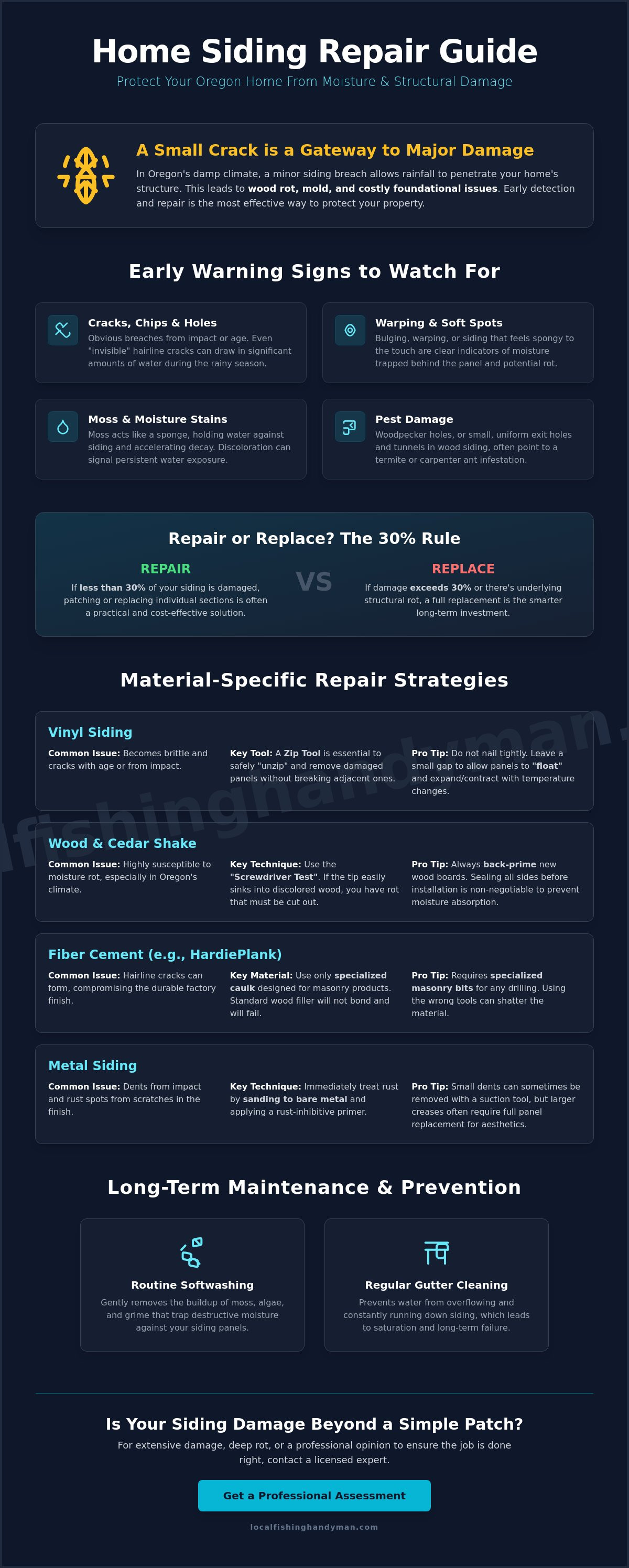
- Apply the 30% Rule to help you decide when a DIY patch is practical and when you need professional help.
- Learn how routine softwashing and gutter cleaning prevent the water buildup that leads to siding failure.
Identifying Common Siding Damage in Oregon Homes
Your home's Siding or wall cladding serves as the primary moisture barrier for your entire structure. In our part of the country, any breach in this shield is an invitation for trouble. When we talk about how to repair siding damage, we're really talking about moisture management. If water gets behind those panels, it quickly leads to structural rot that's much harder to fix than a simple surface crack.
You should look for obvious signs like cracks and holes, but don't ignore warping or "soft spots." If you press on a piece of wood siding and it feels spongy, that's a clear indicator of rot. The 2026 standards for exterior home inspections emphasize looking for these subtle failures before they compromise the building envelope. Oregon's damp climate means a small hairline fracture can suck in gallons of water during a typical rainy season. It's a common issue we see in the Pacific Northwest, where the constant cycle of rain and humidity accelerates minor wear into major structural problems.
The Impact of PNW Moisture and Moss
Moss isn't just an aesthetic problem on an Oregon home; it's a structural threat. Moss growth acts like a wet sponge, trapping constant moisture against your siding panels. This prevents the material from drying out properly after a storm. Over time, this constant dampness causes wood to swell and vinyl to become brittle. "Invisible" hairline cracks are often more dangerous than large holes because they go unnoticed while slowly feeding water into your wall insulation. High humidity also causes wood siding to expand and contract. This constant movement can eventually pull nails loose and create gaps where water enters freely.
Pest Damage: Termites and Woodpeckers
We see plenty of pest-related issues in local neighborhoods. Woodpeckers are particularly destructive. They can peck through cedar or even some composite materials in a single afternoon looking for insects. These holes lead to immediate water intrusion. You should also watch for small, uniform exit holes or tunneling in wood siding. These signs often signal a termite or carpenter ant infestation. Sometimes, the siding damage you see is just a symptom of a larger problem inside your walls. Catching these signs early is the first step in learning how to repair siding damage correctly to protect your property value.
Material-Specific Repair Strategies for 2026
Every siding material has a different "personality" and requires specific tools for a successful fix. Learning how to repair siding damage effectively means understanding these differences before you start cutting or nailing. A technique that works for vinyl will fail miserably on fiber cement. In our damp Oregon environment, using the wrong sealant or fastener can lead to a moisture leak in less than a single season.
Repairing Vinyl Siding Cracks and Holes
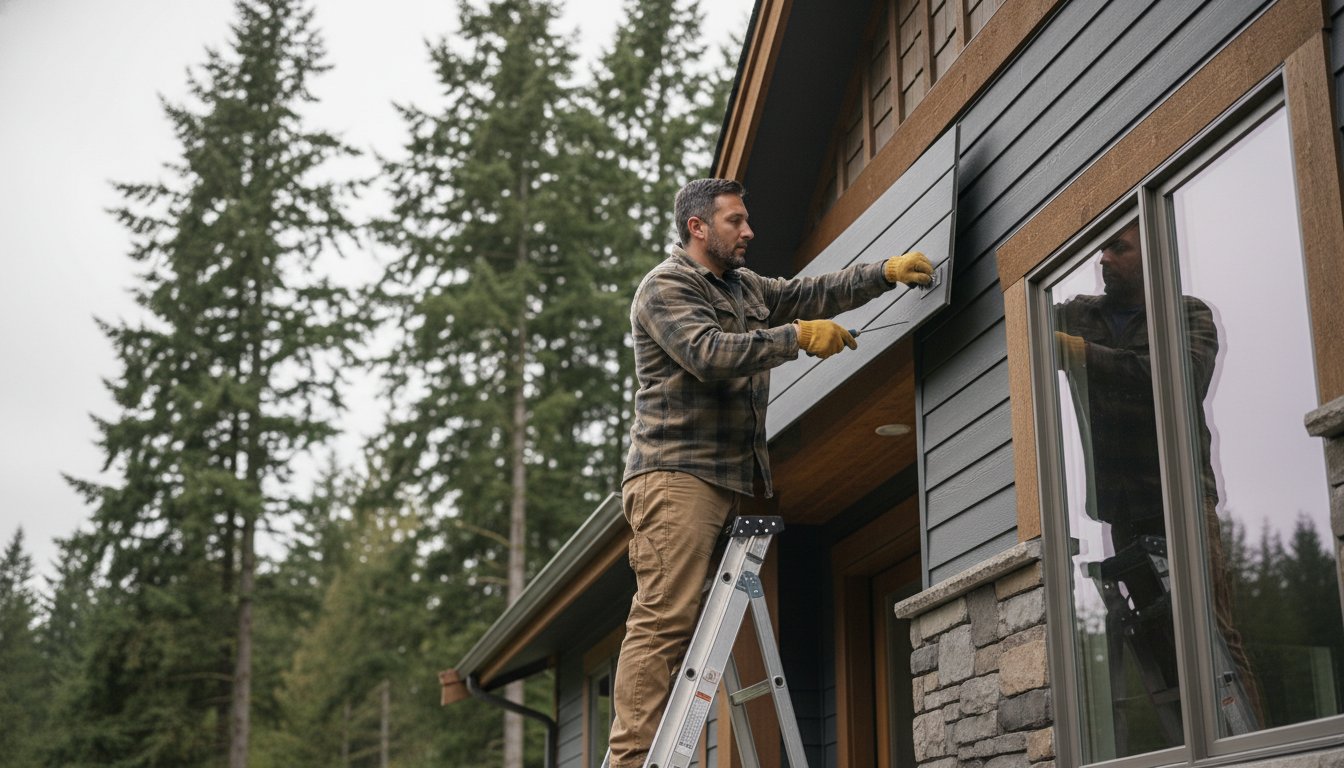
Vinyl is popular because it's flexible, but it becomes brittle as it ages. If you have a small crack, a color-matched patch kit can work. For larger holes, you'll need a zip tool to "unzip" the damaged panel from the one above it. It's vital to let vinyl "float" on the wall. Don't drive your nails in tight against the flange. The material needs to move as temperatures change throughout the day. For a deeper look at the mechanics of swapping panels, you can study this guide on How to Repair Vinyl Siding. Matching aged colors in 2026 is easier thanks to modern UV-stable paints, but you should always take a small sample to the paint store for an exact match.
Fixing Wood and Cedar Shake Rot
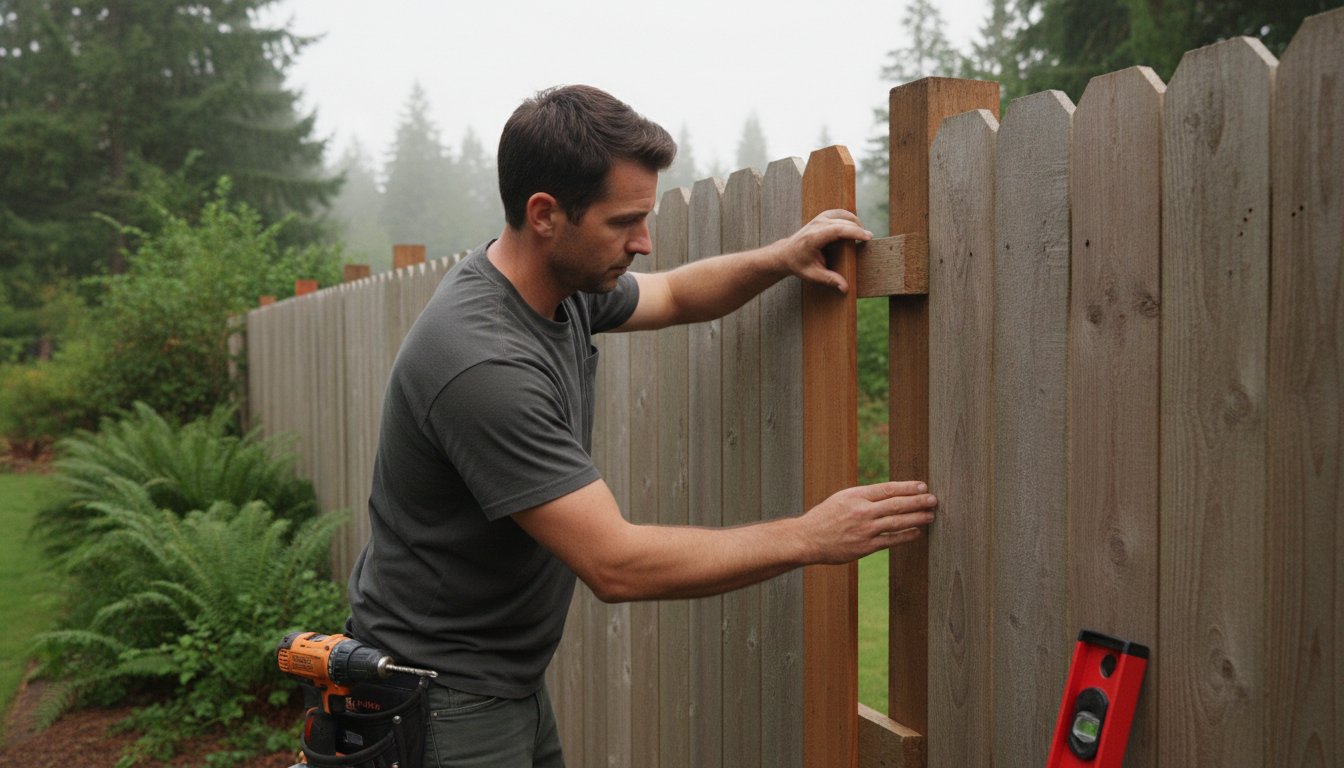
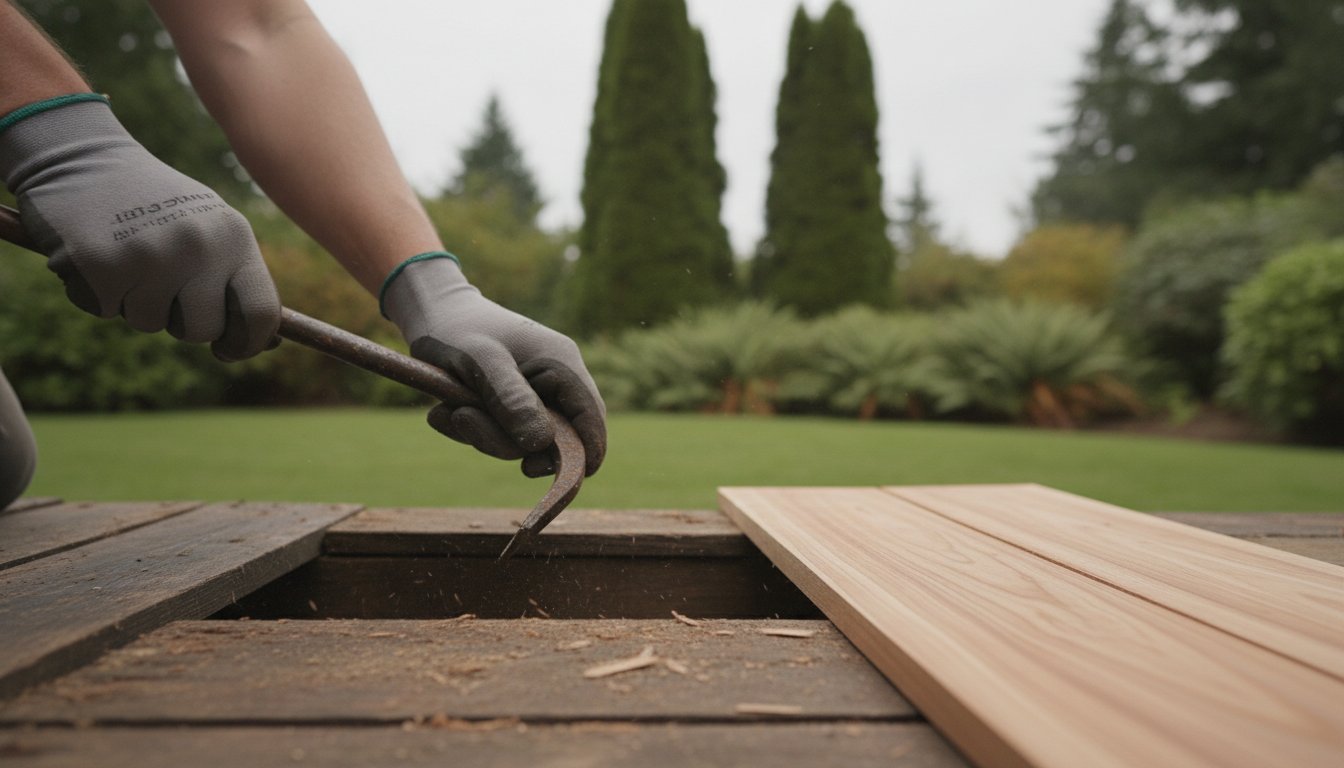
Wood is a classic choice for many local homes, but it's high maintenance. Grab a flathead screwdriver and perform the "screwdriver test" on any discolored areas. If the metal sinks into the wood with little pressure, you have rot. You'll need to cut out the damaged section carefully. In Oregon, back-priming new wood is a non-negotiable step. This means painting the back and edges of the board before installation. It seals the wood against the moisture that naturally builds up behind the siding panels.
Fiber Cement and Composite Maintenance
Fiber cement products like HardiePlank are incredibly durable but require specialized masonry bits for any drilling. If you see hairline cracks, use a specialized caulk designed for masonry products. Never use standard wood filler on fiber cement. It won't bond correctly and will eventually fall out. Maintaining the factory finish is also essential for preserving your manufacturer warranty. If you find that the damage is widespread or the rot goes deeper than the surface, it might be time to look into professional siding repairs to ensure your home's structure is safe.
Metal siding requires a different approach. You should treat rust spots immediately by sanding them down and applying a rust-inhibitive primer. Small dents can sometimes be pulled out with a suction tool, but larger creases usually mean the entire panel needs replacement to maintain your home's curb appeal.
Evaluating Repair vs. Replacement: The Professional Advantage
Deciding whether to fix a few boards or replace an entire wall is a common hurdle for homeowners. We generally follow the 30% Rule. If more than 30% of a specific wall or the entire home shows signs of failure, patching is no longer a cost-effective solution. You'll likely spend more on repeated piecemeal fixes over the next few years than you would on a targeted replacement. Knowing how to repair siding damage also involves recognizing when a patch is simply a temporary bandage on a terminal problem.
Structural integrity is the biggest concern. If you notice moisture stains on your interior drywall or a musty odor near your windows, the damage has likely breached your home's weather-resistant barrier. A professional assessment helps identify if the rot has reached the wall studs or insulation. We provide the detailed documentation that insurance adjusters require, which often makes the difference in getting a claim approved after storm damage. Choosing a licensed, bonded, and insured Oregon handyman ensures that these deep-seated issues are caught before they become catastrophic.
Why Oregon CCB Licensing Matters for Siding
Oregon homeowners have specific legal protections when they hire licensed contractors. Working with a professional who holds CCB#254463 means you're protected by the Oregon Construction Contractors Board. This license ensures the provider carries the necessary liability insurance and a surety bond to protect your property. Hiring unlicensed labor for exterior repairs is a major risk; if a worker is injured or the repair causes a leak that leads to mold, you could be left with no legal recourse and a massive repair bill.
Cost-Benefit Analysis of Professional Repair
DIY repair often looks cheaper on paper, but the hidden costs add up quickly. You might need to buy specialized ladders, masonry saws for fiber cement, or high-end sealant guns. Professional results provide long-term savings by ensuring the moisture seal is perfect. We focus on stopping rot before it reaches your home's framing, which preserves your property's structural value. In the 2026 real estate market, high-quality siding repair is essential for maintaining the curb appeal needed for a successful home sale. A clean, waterproof exterior gives buyers confidence that the home has been well-maintained.
Step-by-Step: How to Patch a Hole in Vinyl Siding
Patching a hole in vinyl siding is a practical way to restore your home's moisture barrier without replacing a full panel. This method works best for small punctures caused by hail, stray rocks, or equipment. When you're learning how to repair siding damage, the goal is always a waterproof seal that blends in with the rest of your exterior. Follow these steps to ensure a professional result that stands up to the Oregon rain.
Start by cleaning the area around the hole with a mild detergent and water. This is a critical step because adhesive will not bond to the oxidation or road grime that naturally builds up on vinyl. Once the surface is 100% dry, cut a piece of scrap siding that is about two inches larger than the hole on all sides. Make sure the grain and color match your existing panels as closely as possible. If you don't have scrap material, you can often trim a small piece from a hidden area under a porch or behind a utility box.
Next, use your snips to trim the "locking" edges and the nailing flange off your patch. You want it to sit completely flush against the damaged panel. Apply a generous amount of high-quality, exterior-grade adhesive to the back of the patch. Press it firmly over the hole and hold it for several minutes. Finish the job by running a bead of color-matched caulk around the edges to prevent water from seeping behind the patch. If the task seems too complex or you have multiple holes to address, it's often better to request professional siding repairs to ensure your home stays dry.
Essential Tools for Siding Repair
Having the right tools makes a significant difference in the quality of your work. You'll definitely need a siding zip tool. This inexpensive hook-shaped tool allows you to pull panels apart without cracking the brittle vinyl. For cutting the patch, tin snips are usually better than utility knives because they provide a cleaner edge and more control. For the final seal, we recommend using a professional sealant like OSI Quad. It remains flexible in various temperatures and provides a much stronger bond than standard hardware store silicone.
Pro-Tip: Temperature and Adhesion
Oregon's weather plays a huge role in the success of your repair. Never attempt to work on vinyl siding in freezing temperatures. Cold vinyl becomes extremely brittle and will shatter the moment you try to use a zip tool. If you must work on a chilly day, use a hair dryer to gently warm the panels before you begin. This makes the material more pliable and less likely to crack. Always ensure the substrate behind the siding is completely dry before you apply any adhesive or caulk. Trapping moisture behind a patch is a recipe for internal rot.
Long-Term Maintenance: Preventing Future Siding Damage
Learning how to repair siding damage is a vital skill for any Oregon homeowner, but a solid prevention strategy saves you more money in the long run. Our local climate is relentless. Between the heavy winter rains and the summer humidity, your siding is constantly under pressure. A proactive maintenance schedule ensures that small issues don't turn into structural rot. We recommend performing a full "walk-around" inspection at least once a year, preferably in late spring, to check for any new cracks or areas where moss has begun to take hold.
Landscaping also plays a bigger role in siding health than most people realize. You should keep all bushes, trees, and vines at least 12 inches away from your house. When plants touch your siding, they trap moisture against the surface and provide a bridge for pests like carpenter ants. This lack of airflow prevents the material from drying out after a storm, which is the primary cause of premature wood rot in our region. Clear space allows your home to breathe and makes it easier to spot trouble during your annual inspections.
Softwashing vs. Power Washing for Siding
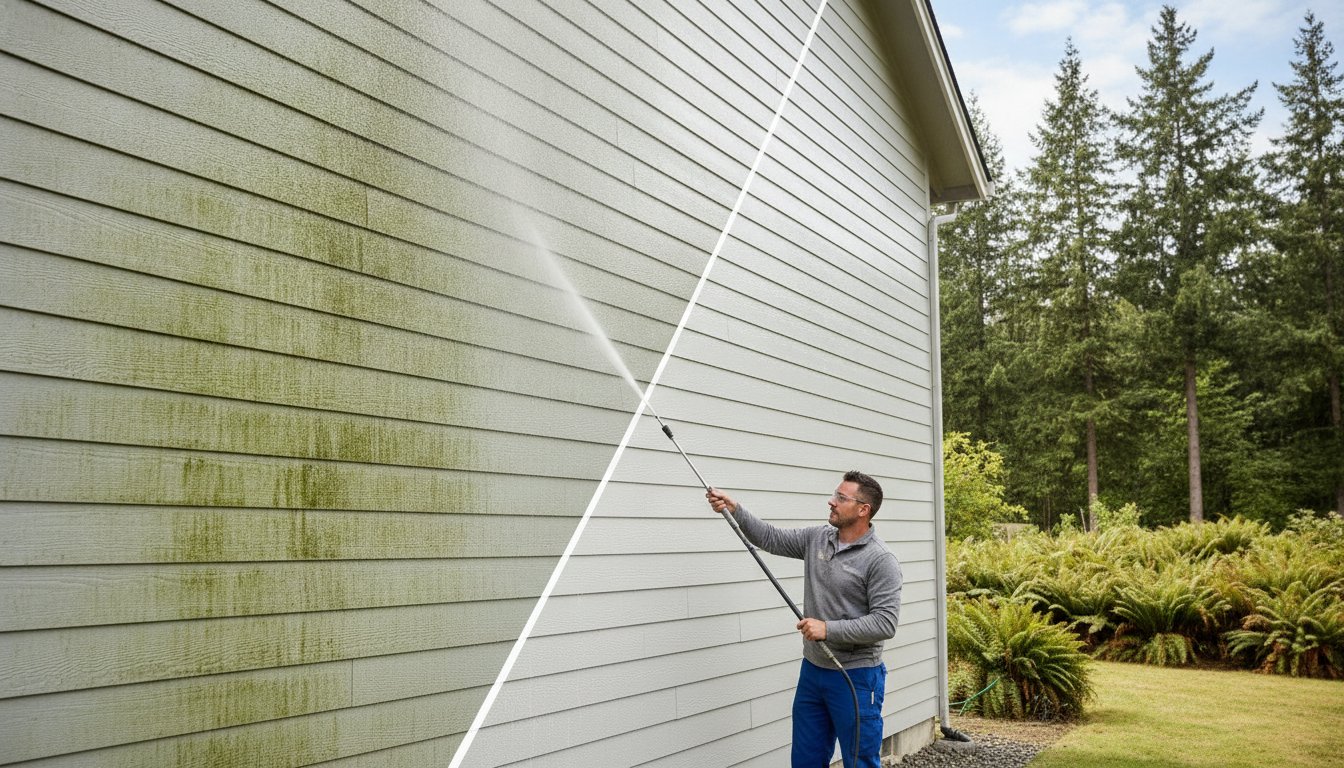
Many homeowners make the mistake of using high-pressure power washing to clean their exterior. This is often a recipe for disaster. High pressure can force water behind the siding panels, soaking your house wrap and insulation. Once that water is trapped, it has nowhere to go, leading to "invisible" rot that destroys your walls from the inside out.
We prefer a gentle approach called softwashing. This method uses low-pressure water combined with specialized cleaning solutions to safely remove algae, lichen, and moss. The Local Fishing Handyman approach to softwashing houses protects your exterior paint and ensures that your moisture barrier remains intact. It's the most effective way to maintain curb appeal without risking the structural integrity of your home.
The Connection Between Roofs and Siding
Your siding often takes the blame for damage that actually starts on the roof. Clogged gutters are a primary culprit. When gutters overflow, water cascades down the side of your house rather than being diverted away. This constant stream of water can overwhelm your siding's lap joints and cause boards to warp or rot.
Proper kick-out flashing is also essential where a roofline meets a vertical wall. Without this simple piece of metal, water is directed straight into the siding transition, which is a common failure point we see in local homes. If you aren't sure whether your home is properly protected, a professional assessment can save you thousands in future repairs. Contact Local Fishing Handyman LLC today!
Secure Your Home Against the Oregon Elements
Your siding is more than just decoration; it's the first line of defense against our state's relentless moisture. By catching soft spots early and using the right material-specific techniques, you can avoid the high costs of structural rot. Whether you choose to follow the steps on how to repair siding damage yourself or decide to hire a professional, the most important step is taking action before the next rainy season begins. Regular maintenance like softwashing and gutter cleaning will keep your exterior waterproof for years to come.
Local Fishing Handyman LLC is here to help with your exterior needs. We are fully licensed, bonded, and insured (CCB#254463) with decades of experience in siding and roof repairs. We specialize in Oregon’s unique climate challenges and moisture protection. Get a Professional Siding Repair Estimate from Local Fishing Handyman LLC and rest easy knowing your home is in good hands. Taking care of your property is a big job, but you don't have to do it alone. We're ready to help you keep your home safe and looking its best.
Frequently Asked Questions
Can I paint over a siding patch to make it match?
You can paint over a siding patch, but you must use the correct primer for the material. Vinyl patches require a high quality acrylic latex paint that remains flexible as the siding expands. For wood siding, you should use an oil based primer to prevent tannins from bleeding through the new paint. Computer color matching at a local paint store is the best way to ensure the patch blends in with your existing exterior.
How much does it cost to have a handyman fix a section of siding in Oregon?
The cost for siding work depends on the material type, the location of the damage, and the height of the repair. Repairing a second story section of fiber cement will naturally require more labor and specialized equipment than a ground level vinyl patch. Because every home has unique moisture protection needs, it is best to get a specific estimate from a licensed professional who understands local building codes.
Is it possible to repair fiber cement siding without replacing the whole board?
Small hairline cracks in fiber cement can be repaired using a specialized masonry caulk or sealant. However, for larger holes or impact damage, replacing the entire board is usually the only way to maintain the manufacturer's warranty. Fiber cement is a brittle material that does not take patches as easily as vinyl or wood. Ensuring a perfect seal is vital to prevent water from reaching the substrate behind the panels.
What happens if I leave a hole in my siding through the winter?
Leaving an opening in your exterior through an Oregon winter invites structural rot and mold growth. Our consistent rainfall will enter the hole and soak into your home's insulation and wall studs. This moisture cannot escape once it is trapped behind the panels. Knowing how to repair siding damage before the wet season begins is the only way to avoid a much larger and more expensive restoration project in the spring.
Does homeowners insurance cover siding damage from storms?
Most homeowners insurance policies cover siding damage caused by sudden events like wind, hail, or fallen trees. They generally do not cover damage caused by long term neglect, such as moss growth or wood rot. It is important to document the damage with photos immediately after a storm. You should also provide your insurance adjuster with a detailed assessment from a licensed contractor to support your claim.
How do I find my siding color for a repair?
The most reliable way to find your siding color is to take a small sample to a professional paint center for a digital match. If you have vinyl siding, you can sometimes find the manufacturer and color code printed on the nailing flange. You can access this by using a zip tool to gently peek behind a loose panel. For older homes where the color has faded, matching the current weathered shade is better than using the original factory color.
What is the difference between a siding repair and a full reside?
A siding repair focuses on fixing specific areas of damage to restore the moisture barrier in one section. A full reside involves removing all existing material and installing a completely new exterior system. If more than 30% of your siding is failing, a full replacement is usually more cost effective. Repairs are perfect for localized issues like woodpecker holes or small sections of rot.
Can moss growth actually damage my vinyl siding?
Moss damage is a common problem in the Pacific Northwest because the growth traps moisture against your home. This constant dampness can make vinyl brittle and cause it to crack more easily during temperature changes. Learning how to repair siding damage often involves first removing this organic growth with a softwash. If left alone, moss can eventually push its way into the lap joints and allow water to seep behind your siding panels.