Last November, a homeowner in Tacoma faced a $4,800 repair bill for basement water damage because a single clogged downspout failed during a typical three-day rain streak. After 15 years of working on local roofs, I've seen how quickly a small blockage turns into a major headache. When the rain doesn't stop for weeks, your home's first line of defense is a clear drainage system. Understanding how often to clean gutters in the Pacific Northwest is the only way to prevent roof leaks and protect your foundation from the constant moisture we face.
You likely know the frustration of watching water spill over your gutters like a waterfall during a heavy storm. It's easy to worry about moss spreading from the troughs to your shingles or the risk of a ladder accident on a slippery driveway. This guide provides a clear seasonal maintenance schedule to keep your home's exterior in top shape and give you peace of mind. You'll learn the best months for cleaning, how to stop roof rot before it starts, and when it makes sense to call in a professional to handle the high work safely.
Key Takeaways
- Establish a minimum twice-yearly maintenance routine to handle heavy Oregon rainfall and prevent costly foundation damage.
- Learn why timing your cleanings in early spring and summer is essential for clearing out winter storm debris and evergreen needles.
- Discover exactly how often to clean gutters in the Pacific Northwest based on your home's proximity to trees and your roof's pitch.
- Identify the critical warning signs of gutter failure, such as sagging sections or "waterfalls" over the side, that require immediate attention.
- Understand the safety benefits of hiring a licensed professional to protect your investment and ensure your gutters are handled with expert care.
The PNW Standard: Why Twice a Year is the Bare Minimum
Living in Oregon or Washington means dealing with a specific set of environmental challenges. When homeowners ask how often to clean gutters in the Pacific Northwest, the professional answer is at least twice every year. Our region sees an average of 36 to 45 inches of rain annually, mostly concentrated between October and May. If your Rain gutter system is even partially blocked, it cannot handle the 2 or 3 inches of water that can fall during a single heavy winter storm.
Neglecting this task leads to expensive home repairs. Clogged channels force water to back up under the roofline, which causes fascia boards to rot within just two or three seasons. Excess water also spills over the sides, pooling at your home's perimeter. This saturation puts immense pressure on your foundation and can lead to basement flooding or crawlspace mold. If you need to restore or upgrade these areas, Grand Building Construction provides expert basement renovations to turn damaged spaces into valuable assets. In our damp climate, standing water in gutters also creates a perfect breeding ground for roof moss. Moss acts like a sponge, holding moisture against your shingles and shortening their lifespan by up to 10 years.
The Spring Clean (Late May/Early June)
Many homeowners skip the spring service, but it's a mistake. During late May and early June, Bigleaf Maples and Douglas Firs drop massive amounts of "helicopter" seeds and needles. These small bits of debris mix with heavy pollen to create a thick, sticky sludge. This sludge settles at the bottom of the trough and completely blocks downspout strainers. Clearing this out ensures your system is ready for the sudden, high-intensity thunderstorms that often hit the region in early summer.
The Fall Clean (Late November/Early December)
The fall cleaning is the most critical service of the year. You have to time it right. We recommend waiting until late November or early December when the deciduous trees have finally dropped their last leaves. If you clean too early, the next windstorm will just fill the gutters back up. Removing this organic matter is vital before the heavy December rains and freeze cycles begin. The PNW Fall Window is the period between the last leaf drop and the first hard freeze. Cleaning during this specific time prevents ice dams from forming when the temperature dips below 32 degrees. Knowing how often to clean gutters in the Pacific Northwest helps you stay ahead of these seasonal shifts and protects your investment from water damage.
Strategic Seasonal Schedule for Oregon Homeowners
In Oregon, a "once a year" approach usually leads to flooded basements or rotted fascia boards. To keep your home safe, you need a schedule that matches our local weather patterns. Determining how often to clean gutters in the Pacific Northwest depends heavily on your specific lot, but most homes require at least three professional visits to stay functional. With over 15 years of experience in the region, we've found that a proactive approach is the only way to avoid water damage.
- Early Spring (March or April): Winter storms often blow small branches and heavy silt into your troughs. This is the time to clear out debris left from ice dams and ensure the system is ready for spring showers.
- Early Summer (June): This is a critical window for homes near evergreens. Pine needles and cones drop heavily as the weather warms up and the trees prepare for new growth.
- Late Fall (November): This is the "Big Clean." You should wait until the last deciduous leaves have fallen, typically after the first hard frost, to ensure the system is clear for the heavy winter rains.
- Winter (January or February): Perform visual checks during storms. If you see "waterfalls" over the edge or sagging metal, you have a clog that needs immediate attention to protect your foundation.
While general advice on how often to clean your gutters suggests twice a year is enough, the heavy biomass in our region often demands more frequent care. Skipping just one of these windows can lead to overflows that damage your siding and landscaping.
Why Timing Matters for Evergreens
When deciding how often to clean gutters in the Pacific Northwest, remember that our unique tree mix changes the game. Douglas Firs and Western Red Cedars don't follow the same rules as Oak or Maple trees. These evergreens shed needles throughout the year. Because needles are small and oily, they quickly form a dense, heavy mat at the bottom of your gutters. This mat acts like a dam, trapping water and making it much harder to clear than dry leaves. If your roof is under a heavy evergreen canopy, you might need quarterly maintenance to prevent this buildup from pulling your gutters away from the house.
The Impact of the "Atmospheric River"
Oregon winters are famous for atmospheric rivers that can dump over 2 inches of rain in a 24 hour period. Your gutter system must be at 100% capacity to handle this volume. A gutter that is "mostly clean" will still overflow during these intense events. We focus on checking downspout drainage points during these months. Water must move at least 5 feet away from your foundation to prevent basement flooding. If you aren't sure if your system is ready for the next storm, you can always reach out to a local expert for a quick inspection. We've spent 15 years helping neighbors protect their homes from the wettest months of the year. Thanks!!!
Factors That Increase Your Gutter Cleaning Frequency
Every property in our region has a unique footprint. While a general rule of thumb helps, your specific yard determines how often to clean gutters in the Pacific Northwest. If your home sits within 10 feet of a heavy tree canopy, you will need more frequent service. Debris drops directly onto the shingles and slides into the troughs with every rain shower. Homes with a steep roof pitch also face more challenges. A steep roof sheds water and pine needles at a much higher velocity than a flat roof, which packs debris into the downspouts quickly.
Do not assume that gutter guards solve every problem. Many homeowners think these systems are maintenance-free, but that is rarely the case. Small organic matter and silt still find their way through the mesh. Over time, this creates a heavy sludge that requires a professional flush to clear. Local wildlife also plays a role in your maintenance schedule. Squirrels and birds can build a nest in a downspout opening in less than 14 days. These blockages cause immediate overflows during our heavy winter storms, which can lead to foundation issues or basement flooding. To address these complex drainage challenges, Roto Pro provides specialized plumbing and drain services for homeowners in the region.
The Tree Type Variable
The specific trees on your lot change your maintenance needs. Bigleaf Maples are a major concern because their leaves can grow up to 12 inches wide. These large leaves can clog a downspout opening instantly. Oak trees present a different problem. They drop small leaves and heavy acorns that create a dense, heavy layer of debris that strains gutter brackets. If you have fruit trees near the house, rotting fruit and blossoms often fall into the gutter line. This organic mess attracts pests and creates a sticky sludge that is difficult to remove without professional tools.
Roof Condition and Moss Growth
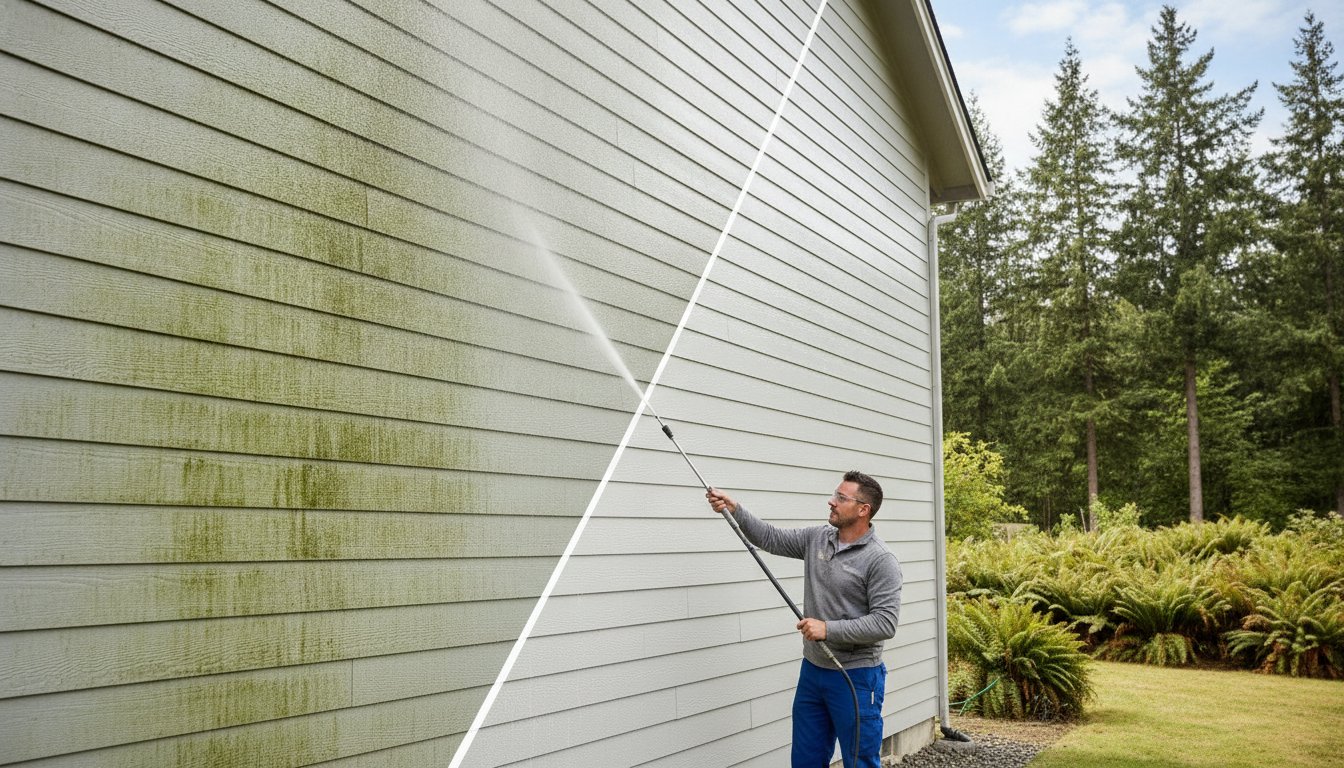
Moss is a constant battle for homeowners in this climate. Large chunks of moss often break loose during heavy rain and slide into the gutters, creating thick dams. Our Softwash Moss-Off treatment reduces gutter debris over time by killing the moss at the root so it does not detach and clog your drainage system. Knowing how often to clean gutters in the Pacific Northwest also means looking at the age of your shingles. If you find a high volume of sand-like shingle granules in your gutters, it is a clear sign your roof is nearing the end of its life. These granules are heavy and settle at the bottom of the gutter, preventing proper water flow; in such cases, consulting with a dedicated professional like SYNERGY ROOFING - ROOFING & SKYLIGHT SPECIALIST can help you determine the best path forward for repair or replacement.

Signs Your PNW Gutters Need Immediate Attention
Living in a region that sees over 37 inches of rain annually means your gutter system is the most important defense for your home. When gutters fail, the damage happens fast. You don't want to wait for a total system failure before you take action. One of the clearest signs of trouble is the "waterfall" effect. If you see water pouring over the front edge of the gutter during a typical rainstorm, it means the trough is either completely blocked or the downspout is jammed. This overflow sends gallons of water directly toward your foundation instead of away from it.
Weight is another major factor. A standard 10-foot section of gutter is designed to carry water, not heavy sludge. Wet debris like pine needles and decomposed leaves can weigh up to 5 pounds per linear foot. This extra weight causes the gutter to sag or pull away from the fascia board. If you can see a gap between the gutter and your house, the hardware is failing. You might also notice staining or peeling paint on the siding behind the gutter. This happens when water backs up and seeps into the wood, which is a precursor to expensive rot.
In our damp climate, gutters can quickly turn into hanging gardens. If you see moss, grass, or small plants growing out of the trough, your maintenance is long overdue. This growth indicates that enough organic material has collected to create soil. Understanding how often to clean gutters in the Pacific Northwest depends largely on your surrounding tree cover, but these visible signs mean you need help now.
Interior Warning Signs
Sometimes the evidence of a gutter problem shows up inside your home first. Look for water stains on your ceilings or in the upper corners of your walls. When gutters clog, water often wick up under the shingles and enters the attic space. You should also trust your nose. If your basement or crawlspace develops a musty smell after a heavy rain, it often means your downspouts aren't moving water far enough from the house. To address interior moisture issues and restore your living space, andersoncarpetcleaninginc.com provides expert carpet and tile cleaning for residents in the Bellevue area. Additionally, standing water in clogged gutters is a breeding ground for pests. Mosquitoes can lay eggs in as little as 48 hours, and damp debris attracts carpenter ants right to your roofline.
While you protect your home's structure from the elements, ensuring the interior remains healthy and clean is just as vital. For those in the Seattle and Eastside areas, smartcleaningwa.com offers professional residential cleaning to keep your living space at its best.
Exterior Structural Red Flags
Step outside and look at the ground. If you see "trenches" or areas of eroded soil directly below your gutters, the system is overflowing regularly. This constant pounding of water can lead to cracks in your foundation or basement walls over time. I've seen many homes where splash-back from overflowing gutters caused window sills and door frames to rot within just two seasons. Regularly checking for these red flags helps you determine how often to clean gutters in the Pacific Northwest to protect your structural investment.
Effective drainage is a universal requirement for home safety; for instance, San Diego Drain Guys provides specialized sewer and drain services that highlight how professional maintenance can mitigate the risk of foundation damage from improper water runoff.
Don't wait for a foundation crack to fix your drainage issues. Contact Local Fishing Handyman for a professional gutter inspection and cleaning.
Professional Gutter Maintenance and Protecting Your Investment
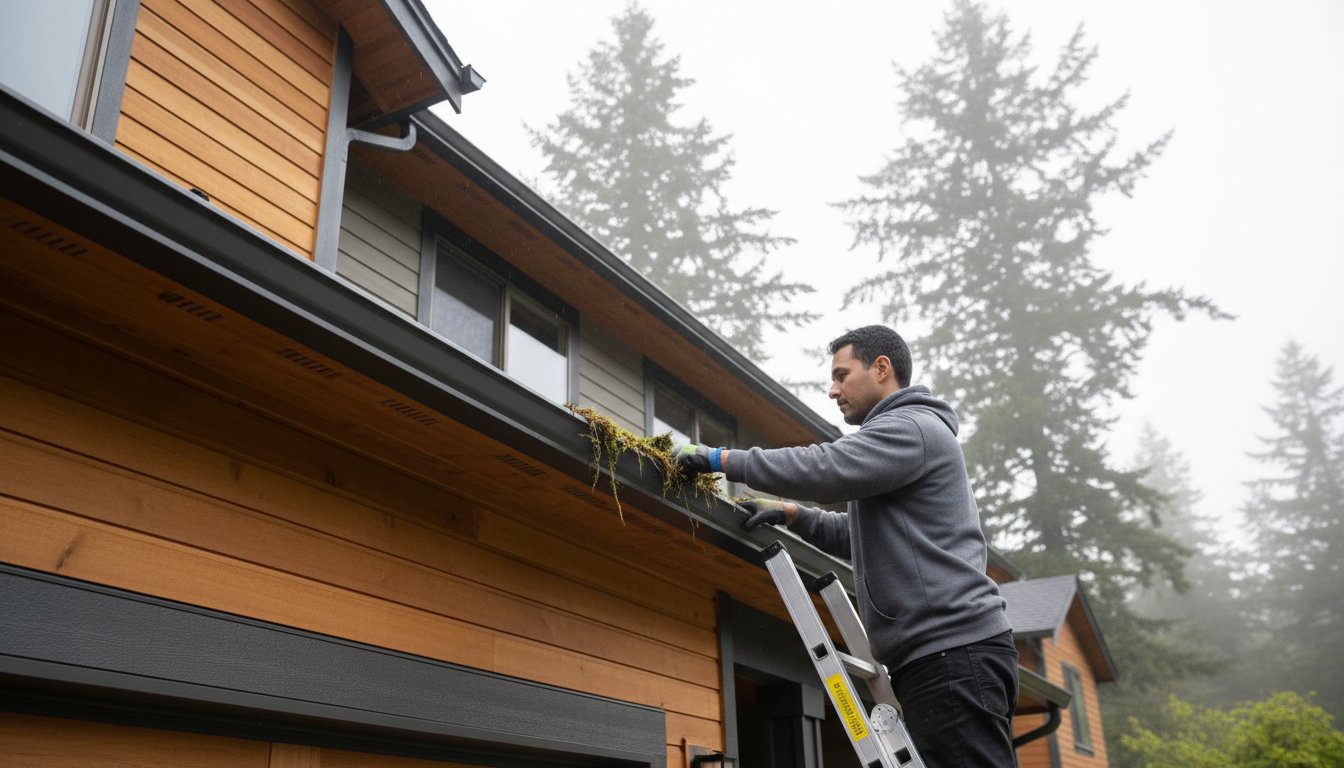
Cleaning gutters is a dangerous chore that sends more than 164,000 Americans to the emergency room every year due to ladder-related accidents. Beyond the physical risk, many homeowners accidentally damage their roof's edge or shingles while trying to scoop out heavy, wet debris. Hiring a professional ensures the job gets done safely without compromising your home's structural integrity. When you're deciding how often to clean gutters in the Pacific Northwest, remember that a professional service provides more than just debris removal. Expert cleaners perform full downspout flushing to clear hidden clogs and identify minor leaks before they turn into expensive foundation repairs. To ensure your underground drainage and plumbing lines are also clear, you can visit Roto Pro for specialized drain maintenance.
It's vital to hire a local professional who is licensed, bonded, and insured. This protects you from liability and ensures the work meets local building standards. Bundling your gutter maintenance with other exterior tasks is a smart way to maximize your budget. For instance, applying a professional moss-off roof treatment at the same time prevents organic growth from falling into your troughs and clogging the system again within a few months. Professional cleaning also includes a check of your gutter spikes and brackets to ensure everything stays securely attached during heavy rainstorms.
The Local Fishing Handyman Advantage
We bring over 15 years of experience to every job site in Oregon. Our team understands the specific challenges of our rainy climate and the heavy debris loads produced by local Douglas firs and maples. We are fully licensed with the Oregon CCB (#254463), providing you with total peace of mind. We don't just clear away leaves; we conduct a thorough inspection for leaks, sagging sections, and potential siding damage. This proactive approach helps you avoid the rot and water intrusion issues that are so common in our region.
Getting a Quote for Your Home
Several variables influence the cost of a professional gutter service. We look at the total linear footage of the gutters, the height of the house, and the current level of debris accumulation. A three-story home surrounded by pine trees requires more time and specialized equipment than a single-story ranch with light leaf cover. We are proud to offer special discounts for senior citizens in our community to help keep essential home maintenance affordable. If you're still unsure how often to clean gutters in the Pacific Northwest for your specific property, we can help you establish a recurring schedule that fits your needs.
Keep Your Oregon Home Safe and Dry
Maintaining a clear drainage system is the best way to avoid costly foundation repairs and roof rot. Oregon homeowners face unique challenges; our state receives an average of 42 inches of rainfall each year. While the standard rule is a spring and fall service, your specific property might need more attention if you live under a heavy Douglas fir canopy. Knowing how often to clean gutters in the Pacific Northwest depends on these local factors. Staying ahead of the rain is always the smartest move for your property.
Local Fishing Handyman brings over 15 years of local Oregon experience to every job. We're fully licensed, bonded, and insured under CCB#254463, so you know the work is handled with professional care. We also offer senior citizen discounts to help our neighbors keep their homes in top shape. Don't wait for a leak to tell you there's a problem. Protect your investment with a reliable maintenance schedule that stands up to the wet PNW climate.
Get Your Free Gutter Cleaning Estimate Today
Take the first step toward a worry-free rainy season; your home will thank you for the extra care.
For residents in the Seattle and Eastside areas looking to maintain their home's interior with the same level of professional care, learn more about the residential cleaning services offered by Smart Cleaning Service.
Frequently Asked Questions
Do I really need to clean my gutters if I have gutter guards?
You still need to check your gutters at least once a year even with guards installed. While guards block about 80 percent of large debris like maple leaves, fine materials like fir needles and silt still get through. This sludge builds up over time and can clog your downspouts. It's important to flush the system to ensure water flows freely during heavy PNW rainstorms.
What is the best month to clean gutters in Oregon?
November and June are the two most critical months for gutter maintenance in Oregon. You should clear out the fall leaves in late November once the deciduous trees are bare. A second cleaning in June removes the spring drop of pollen, seeds, and flower blossoms. These materials often clog systems right before the heavy summer thunderstorms hit our region.
Can clogged gutters cause roof leaks?
Clogged gutters are a primary cause of roof leaks because they force water to back up under your shingles. When water can't flow down the spout, it pools at the roof edge and rots the fascia boards. This moisture eventually penetrates the roof deck. It can cause interior water damage and mold growth in as little as 48 hours of constant rain; for those looking for more information on maintaining roof health, synergyroofings.com provides professional resources and guidance.
Is it worth paying for professional gutter cleaning?
Hiring a professional is worth it for the safety and the specialized tools they bring to the job. Ladders account for 160,000 emergency room visits annually according to the Consumer Product Safety Commission. A pro with 15 years of experience identifies hidden issues like loose brackets or minor leaks. They ensure the job is done safely without you risking a dangerous fall.
How do I know if my gutters are pitched correctly?
You can check your gutter pitch by looking for standing water after a rainstorm or by running a garden hose. A correctly installed gutter should slope toward the downspout at a rate of 0.25 inches for every 10 feet of run. If you see pools of water or heavy silt buildup in the middle of a gutter length, your pitch likely needs an adjustment.
What happens if I don’t clean my gutters for a year in the PNW?
Skipping maintenance for a full year leads to heavy debris compaction and wood rot. Because of the high rainfall totals, knowing how often to clean gutters in the Pacific Northwest is vital to prevent foundation erosion. A single year of neglect can result in 50 pounds of wet organic matter weighing down your brackets. This causes the metal to pull away from your home.
Are gutter cleaning services tax-deductible for rental properties?
Gutter cleaning is a fully deductible operating expense for rental properties under IRS Publication 527. Since it's considered a repair and maintenance task rather than a capital improvement, you can deduct the full cost in the year the service was performed. This helps landlords maintain the property's value and reduces their taxable rental income. To further protect your investment, check out Smart Cleaning Service House Cleaning Seattle and Eastside for professional turnover and recurring cleaning services for your rental units.
Does home insurance cover damage caused by clogged gutters?
Most homeowners insurance policies don't cover damage resulting from clogged gutters because it falls under lack of maintenance. Insurance companies expect you to keep your drainage systems clear to prevent predictable issues. If a basement floods because your gutters overflowed, the provider will likely deny the claim. They view this as a 100 percent preventable issue that's the homeowner's responsibility.