Last November, a homeowner in Salem noticed a few small green patches on his roof and figured it was just a typical part of Oregon life. By the time the heavy spring rains arrived in March, those patches had grown into thick, water-logged mats that were actively lifting his shingles and causing leaks. You might think those fuzzy green clumps are just an eyesore, but understanding exactly what damage does moss do to asphalt shingles is the difference between a simple maintenance task and a premature roof failure.
We all know that living in the Pacific Northwest means dealing with constant dampness and shade. It often feels like fighting moss is a losing battle you're forced to repeat every year. With over 15 years of experience protecting local homes, I've seen how moss silently destroys a roof's protection. This guide will show you why soft washing is the only safe way to stop the decay without stripping away your shingles' protective granules. We'll break down the specific mechanics of roof damage and provide a clear plan to help your current roof reach its full 20 year design life.
Key Takeaways
- Understand how moss acts like a heavy sponge, trapping water against your roof and causing permanent structural damage.
- Discover what damage does moss do to asphalt shingles through its root-like structures that strip away vital UV-protective granules.
- Learn why visible moss is often a sign of "hidden" damage like wood rot and mold growing in your attic.
- Avoid the costly mistakes of DIY scraping or pressure washing that can ruin your roof's integrity in a single afternoon.
- See why our soft wash "Moss-Off" treatment is the industry standard for safely killing moss at the root without harming your home.
The Sponge Effect: Why Moss is More Than a Cosmetic Issue
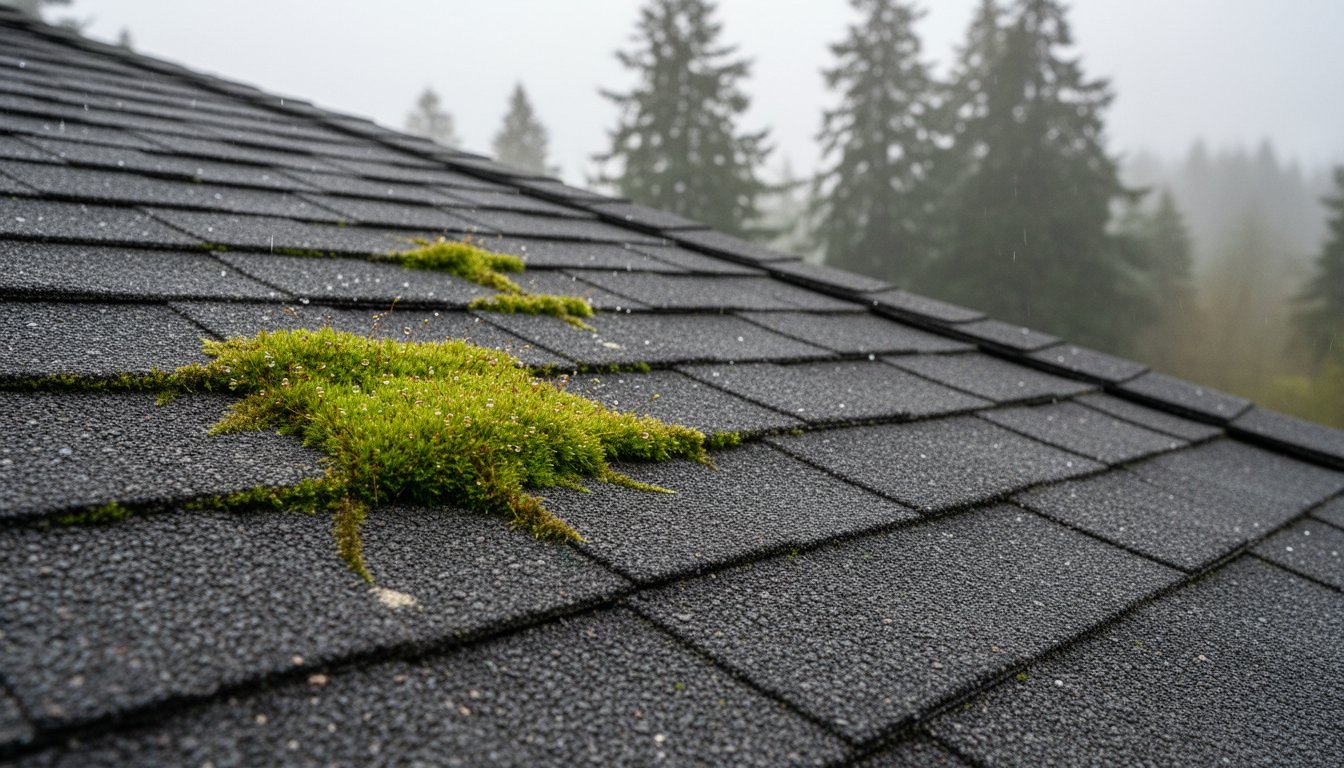
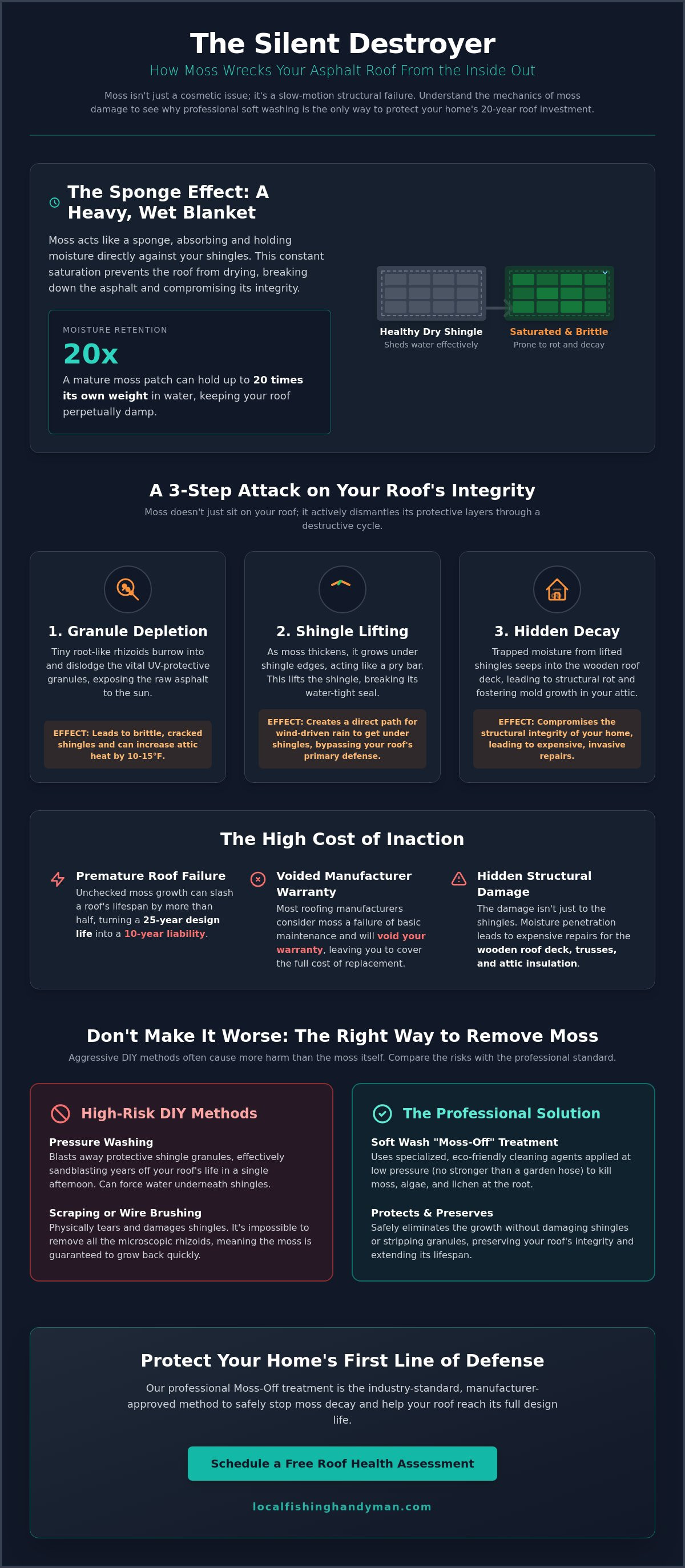
Moss is a non-vascular plant. This means it doesn't have a traditional root system to pull water from the ground. Instead, it survives by absorbing moisture and nutrients directly through its leaves. In our damp Oregon environment, this plant finds everything it needs to thrive right on your roof. When moss settles on asphalt, it creates what professionals call the "sponge effect." A mature patch of moss can hold up to 20 times its own weight in water. This creates a heavy, wet blanket that sits on your home for months at a time without relief.
Healthy asphalt shingles are designed to shed water. They're built to let rain roll off the granules and into the gutter system within minutes. When moss takes over, that cycle stops. The shingles stay in a state of permanent saturation. You might wonder what damage does moss do to asphalt shingles when it stays wet like this. The answer is simple: it breaks down the very materials meant to protect your home. While a dry shingle remains flexible and strong, a saturated shingle becomes soft, brittle, and prone to rot. Professionals at rainierroofing.com note that regardless of climate, maintaining shingle integrity is vital for preventing long-term structural decay.
The PNW Climate and Moss Growth
Oregon's climate acts as a perfect incubator for roof growth. Many parts of the state see over 150 days of measurable precipitation each year. These long, rainy winters provide a massive window of time where your roof never truly dries out. If your home has shade from overhanging Douglas fir or Maple trees, the sun can't reach the shingles to evaporate surface moisture. This lack of sunlight and constant dampness allows moss to double in size in a single season. Constant moisture retention leads to premature shingle rot and eventually compromises the structural integrity of the wooden roof deck underneath.
Cosmetic vs. Structural Damage
Homeowners often ignore moss until it becomes a "curb appeal" issue. They see a few green clumps and assume it's just a matter of cleaning. By the time you can see thick mats of moss from the street, the damage is usually structural. Moss uses small, root-like structures called rhizoids to hook into the asphalt granules. As the moss grows, it lifts the edges of the shingles. This creates a gap where wind-driven rain can seep underneath, leading to hidden leaks and mold growth in your attic.
Ignoring this growth can also be an expensive mistake for your wallet. Many major roofing manufacturers will actually void your warranty if they find that moss was allowed to grow unchecked. They view it as a failure of basic home maintenance. Following approved roof cleaning methods is the only way to remove the growth without scrubbing away the protective granules that keep your home safe. Moving from a cosmetic concern to a structural failure happens faster than most people realize, especially in the heart of the Pacific Northwest.
How Moss Destroys the Integrity of Asphalt Shingles
Moss might look soft and natural, but it acts like a slow-motion wrecking ball for your roof. In the Pacific Northwest, where we often see over 150 rainy days a year, moss finds the perfect environment to thrive on damp asphalt. If you're asking what damage does moss do to asphalt shingles, the answer starts with how it physically anchors itself to your home's exterior. It isn't just sitting on top; it's actively breaking down the materials meant to keep you dry.
Rhizoids and Granule Depletion
Moss doesn't have traditional roots like a tree. Instead, it uses tiny, hair-like structures called rhizoids. These rhizoids burrow deep into the protective mineral granules that coat your shingles. As the moss grows and thickens, it physically pulls these granules away from the underlying asphalt mat. This is a major concern because those granules are the only thing protecting the asphalt from the sun's harsh UV rays.
When shingles lose their granules, the asphalt becomes exposed and begins to dry out. This makes the shingles brittle and prone to cracking during temperature swings. Research shows that losing this protective layer can cause attic temperatures to rise by 10 to 15 degrees during a typical summer. This extra heat doesn't just make your AC work harder; it cooks the shingles from the inside out, turning a 25-year roof into a 10-year liability.
To gain a deeper understanding of how these materials are engineered to withstand the elements, you can explore Asphalt Shingle Roofing with resources from Thoughtful Roofer Inc., a veteran-owned specialist in residential roofing systems.
The Shingle Lifting Effect
As moss clumps grow, they act like a mechanical pry bar. The moss wedges itself under the bottom edge of the shingle above it, slowly lifting the material away from the roof deck. This lifting creates a gap that allows wind-driven rain to bypass your shingles entirely. Local experts often discuss the dangers of moss on roofs because it traps moisture directly against the wood sheathing, which leads to structural rot and mold.
Lifting also triggers a process called capillary action. This is where water is pulled upward against gravity, traveling under the shingles to reach the roofing nails. Once water hits those nails, it creates a direct path for leaks into your home. During a cold Oregon winter, the danger increases. Water trapped in moss clumps expands by about 9% when it freezes. This expansion creates immense pressure that can snap the asphalt or tear the shingle away from its fasteners.
The "Hidden" Damage: Wood Rot and Attic Mold
A common mistake Oregon homeowners make is thinking that if the shingles are still in place, the roof is doing its job. You might see a few green patches and figure it's just a cosmetic issue. However, moss acts like a heavy, wet sponge that never truly dries out during our rainy months. This constant moisture is the primary reason people ask what damage does moss do to asphalt shingles over time. When moss grows thick, it physically lifts the edges of your shingles. This creates a gap for rainwater to travel upward and underneath the protective layer through capillary action.
Once water bypasses the shingle, it hits your roof's wooden skeleton. This is where the real trouble starts. The Asphalt Roofing Manufacturers Association (ARMA) highlights the dangers of moss on shingles, specifically how it leads to premature failure of the entire roofing system. At Local Fishing Handyman, we've spent over 15 years seeing how these "invisible" leaks turn into expensive structural repairs that could have been prevented with simple maintenance.
Structural Compromise of the Roof Deck
When moisture reaches the plywood roof deck, it doesn't just evaporate. It stays trapped between the shingles and the wood. This leads to wood rot, which weakens the structural integrity of your home. You can often tell there's a problem if the roof feels "spongy" or soft when walking on it. A healthy roof should be firm and solid. Replacing a single sheet of plywood is a major expense compared to a standard moss-off treatment. Most homeowners don't realize their roof is rotting until the damage is so bad that the roofline starts to sag or a leak finally breaks through the drywall of the ceiling.
Attic Health and Air Quality
The damage doesn't stop at the wood. Water that seeps through the deck eventually finds its way into your attic insulation. Wet insulation loses its ability to hold heat, which means your utility bills will climb. Even worse, dark and damp attics are the perfect breeding ground for toxic mold. These mold spores don't stay in the attic. They can travel through your home's natural airflow and into your living spaces, affecting your family's health. Keeping the roof surface dry and clear is the only way to prevent these hidden hazards. Understanding what damage does moss do to asphalt shingles is the first step in protecting your investment and your health.
- Moss lifts shingles, allowing water to reach the plywood deck.
- Rotten wood leads to a spongy, unsafe walking surface.
- Damp insulation in the attic creates a habitat for mold growth.
- Structural repairs cost significantly more than routine moss removal.
Common Mistakes: Why DIY Moss Removal Often Causes More Damage
Many Oregon homeowners see green growth on their roof and reach for the nearest ladder. It's a natural reaction to want a clean home, but DIY methods often do more harm than the moss itself. When people ask what damage does moss do to asphalt shingles, they usually worry about the plant. They don't realize that aggressive cleaning can shave 5 to 10 years off a roof's lifespan in a single afternoon. You need a steady hand and the right tools to protect your investment. A roof is a delicate system, not a concrete driveway that can handle rough treatment.
The Pressure Washing Myth
The biggest mistake is thinking a pressure washer is the right tool for the job. High-pressure water strips the ceramic-coated granules that shield your shingles from the sun. Once those granules are gone, the asphalt underneath becomes brittle and fails within 24 months. Pressure washing a roof is like using a sandblaster on paper. Beyond surface damage, these machines often force water under the shingle laps or directly into attic vents. This creates a hidden moisture problem that leads to mold in your insulation and wood rot in your rafters. I've seen attic spaces where the insulation was completely soaked because a homeowner tried to "power wash" their way to a clean roof.
Mechanical Damage from Scraping
Grabbing a wire brush or a metal scraper might seem effective, but it’s a recipe for a roof replacement. Moss doesn't just sit on top of the shingle; it anchors itself into the material. When you scrape or pull at a clump, you're tearing away the protective surface. This creates "bald spots" where the underlying fiberglass mat is exposed to the elements. DIY enthusiasts also tend to use harsh household bleach or acidic cleaners that aren't meant for roofing materials. These chemicals can corrode aluminum gutters and kill your prize-winning rose bushes as they wash off the eaves. Professional treatments, such as those recommended by Red Road Roofing LLC, are designed to kill the moss without destroying your landscaping or your shingles.
Safety is the final piece of the puzzle. A roof covered in wet moss is more slippery than a frozen pond. According to data from the Consumer Product Safety Commission, ladder-related injuries result in over 160,000 emergency room visits every year. Walking on a steep pitch while managing a hose or a brush is a job for pros who are licensed, bonded, and insured. You can get peace of mind and keep your feet on the ground by hiring an expert with 15 years of experience to handle the heavy lifting. Understanding what damage does moss do to asphalt shingles is only half the battle; knowing how to remove it safely is what keeps your home dry and your family safe.
Don't risk your roof or your safety with DIY mistakes. Contact Local Fishing Handyman today for a professional moss-off roof treatment that protects your shingles.
Softwash Moss-Off: The Professional Oregon Solution
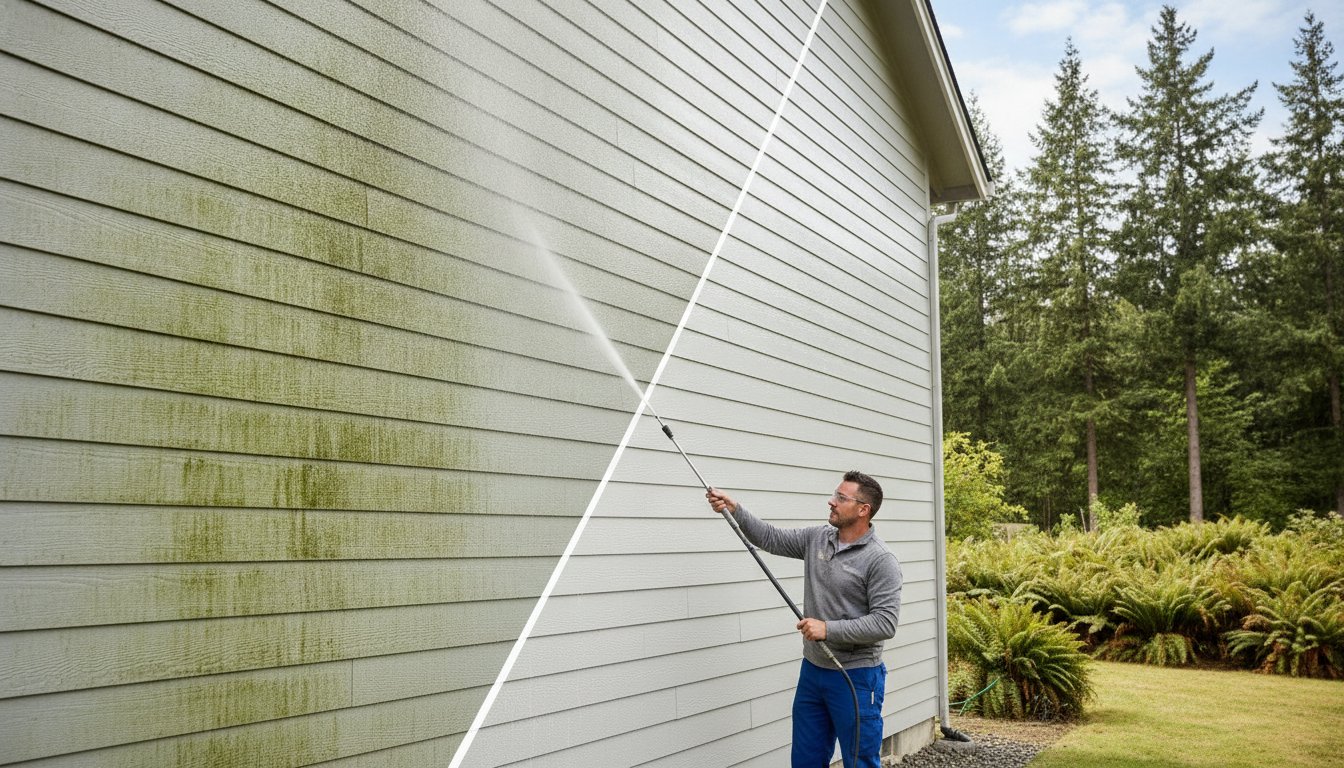
Understanding what damage does moss do to asphalt shingles is the first step toward saving your home from unnecessary decay. In the Pacific Northwest, moss isn't just a cosmetic issue. It's a structural threat that requires a professional response. If you are looking for expert solutions, you can discover Half Price Roof for residential and commercial roofing services. We use soft washing as our industry-standard cleaning method. This approach avoids the high-pressure water that often strips away protective granules and ruins shingle integrity. Our "Moss-Off" treatment targets the root system of the plant directly. It kills the growth without any aggressive scrubbing that could shorten your roof's lifespan.
Homeowners often face a choice between proactive care and total failure. A full roof replacement in Oregon can easily cost $15,000 or more depending on the square footage; you can read more about the professional installation services from United Roofing & More! if your system is beyond repair. Regular maintenance is a small fraction of that price. Once you see what damage does moss do to asphalt shingles over time, the need for a professional solution becomes clear. We provide a no-nonsense service that stops the rot before it starts. It's about giving you peace of mind and a roof that actually lasts its intended thirty years.
The Benefits of Soft Washing
We use biodegradable solutions that effectively break the bond between the moss and your shingles. This process ensures the moss dies completely, including the tiny spores hidden in the cracks. One major advantage is the long-lasting residual effect. This treatment leaves a barrier that prevents new moss from returning for a much longer period than simple brushing. It's a safe, proven method for every type of asphalt or composite shingle found on Oregon homes. You won't have to worry about harsh chemicals harming your landscaping or pets.
- Kills moss at the root to prevent immediate regrowth.
- Protects the limestone filler in your shingles from being eaten away.
- Maintains the manufacturer's warranty by using approved cleaning methods.
- Cleans deep into the shingle overlaps where moisture hides.
Why Choose Local Fishing Handyman?
Experience matters when you're dealing with the unique climate of the Pacific Northwest. We bring over 15 years of hands-on experience to every job site. We understand the specific challenges Oregon homeowners face, from heavy rainfall to shaded roof slopes that never seem to dry out. Hiring a professional who is licensed, bonded, and insured (CCB#254463) protects you and your property. We take pride in offering a neighborly service that focuses on quality and reliability. We don't cut corners; we do the job right the first time.
Our team treats your home like it's our own. We offer a direct, honest assessment of your roof's condition and provide durable solutions that stand up to the Oregon elements. Don't wait until a leak forces your hand. Secure your investment with a local expert who knows exactly how to handle moss before it handles your shingles. This standard of excellence is shared by leading contractors like Rainier Roofing LLC, who combine professional roofing services with a deep appreciation for the history of the communities they serve.
Protect Your Oregon Roof From Moss Damage Today
Moss isn't just a cosmetic problem for your home. It acts like a heavy sponge that traps moisture against your roof for weeks at a time. This constant dampness leads to wood rot and attic mold, which compromises the structural integrity of your home. Now that you understand what damage does moss do to asphalt shingles, you can see why quick action is necessary. Trying to scrape it off yourself often strips away protective granules and ruins the shingles, making a bad situation even worse. For readers who want to discover Thoughtful Roofer Inc., their professional approach to roofing repair and installation demonstrates how experts across the country prioritize long-term roof health.
Local Fishing Handyman provides a professional softwash solution that kills moss at the root without damaging your roof. We bring over 15 years of local Oregon experience to every job. Our team is fully licensed, bonded, and insured (CCB#254463), providing the peace of mind you need. We also offer senior citizen discounts to help our neighbors keep their homes safe and looking great.
Get a Free Quote for Softwash Moss-Off Roof Treatment
Your roof is your home's first line of defense. Let's work together to ensure it stays strong and durable for years to come.
Frequently Asked Questions about Roof Moss
Is moss on a roof always a problem?
Yes, moss is always a problem because it acts as a sponge that traps moisture against your roof. In Oregon, this keeps shingles wet for 24 hours a day during the rainy season. This constant dampness rots the underlying wood structure and leads to leaks. You'll find that even a small patch can spread across 50 percent of your roof surface within two years if left untreated.
Can I just ignore the moss if I am selling my house soon?
No, you shouldn't ignore it because it will likely fail a professional home inspection. Most Oregon home inspectors flag heavy moss as a major maintenance deficiency in their official reports. This often forces sellers to pay for a professional cleaning or negotiate expensive repairs before the sale closes. It's much cheaper to handle the moss before you list the house to avoid last-minute delays in your real estate transaction. If a full replacement is required to satisfy potential buyers, you can explore Asphalt Shingle Roofing with Thoughtful Roofer Inc. to find durable, high-quality options.
How long does it take for moss to actually damage a shingle?
Moss starts causing structural damage within 2 to 5 years of its initial growth. During this period, the roots, known as rhizoids, penetrate the asphalt layer. This explains exactly what damage does moss do to asphalt shingles as it lifts the edges and allows water to seep underneath. Once the shingles lift, wind can easily blow them off, leaving your home's wooden decking exposed to the elements. To learn more about the components of your roofing system and how to spot damage early, you can refer to the guide by Rescue Roofing Tulsa.
Will moss go away on its own during a hot Oregon summer?
No, moss doesn't go away on its own during the summer. It simply goes dormant when temperatures stay above 80 degrees for several consecutive days. While it might turn brown and look dead, the root system remains firmly attached to your shingles. As soon as the first rain hits in September, the moss absorbs the water and resumes its growth cycle immediately. You can't rely on the sun to do the cleaning.
What is the safest way to remove moss from asphalt shingles?
The safest way to remove moss is a soft wash treatment using an eco-friendly solution. High-pressure power washing is dangerous because it can strip away 20 percent of the protective granules on your asphalt shingles. A low-pressure spray combined with gentle manual brushing protects the roof's integrity while killing the roots. This method ensures your roof stays intact while we restore its original beauty and extend its lifespan for several more years.
How much does professional moss removal cost in Oregon?
Professional moss removal costs depend on your home's square footage and the roof's pitch. According to 2023 industry data from HomeAdvisor, national averages for professional roof cleaning fall between 300 and 600 dollars. Oregon homeowners typically pay within this range for a standard 2,000 square foot home. These prices reflect the specialized equipment and safety gear required to handle the slippery conditions found on Pacific Northwest roofs during the peak cleaning season.
Can I use zinc strips to prevent moss from coming back?
Yes, zinc strips are a reliable way to prevent moss from returning for up to 10 feet downslope from where they're installed. When it rains, the water reacts with the metal to release zinc particles that kill moss spores before they can take root. We recommend installing these strips along the ridge caps of your roof. This simple addition provides a durable solution that keeps your shingles clear for several years without constant scrubbing.
Does homeowners insurance cover damage caused by moss?
Most homeowners insurance policies don't cover damage caused by moss growth. Insurers categorize moss as a maintenance issue that falls under the homeowner's responsibility. If a leak occurs because moss lifted your shingles, the company may deny your claim by citing years of neglected upkeep. It's much better to invest in regular cleaning than to pay for a full roof replacement out of your own pocket because a claim was rejected. To learn more about the benefits of proactive roof maintenance, homeowners can consult with dedicated professional resources.