Last Saturday, a homeowner in the Pacific Northwest stepped onto their patio and felt a soft, spongy "give" under a single cedar plank. It looked fine on the surface, but a quick poke with a screwdriver revealed the wood had the consistency of wet cake. That's the moment the fear of a family member falling through the floor becomes a reality. Understanding how to tell if deck boards need replacing is the only way to protect your investment and ensure your guests stay safe during the next backyard barbecue.
It's stressful to look at a graying deck and wonder if you're facing a simple staining project or a massive structural failure. With lumber prices remaining unpredictable since the 2021 supply chain spikes, nobody wants to replace more wood than necessary. Based on 15 years of experience maintaining local homes, I'll give you a clear checklist to identify wood rot and structural instability. You'll learn the difference between harmless surface mold and dangerous rot, and whether a skilled handyman can fix the issue or if it's time for a full contractor rebuild.
Key Takeaways
- Learn to spot the critical difference between minor surface cracks and deep structural fissures that compromise your family's safety.
- Master a simple "pick test" using a basic flathead screwdriver to understand how to tell if deck boards need replacing or if they simply need maintenance.
- Apply the professional "15% Rule" to determine if it is more cost-effective to swap individual boards or commit to a full deck rebuild.
- Understand how Oregon’s unique climate and moss growth accelerate rot and what specific steps protect your wood from 40+ inches of annual rain.
- Discover how hiring a licensed, bonded, and insured handyman for targeted repairs can prevent wood rot from spreading to your home’s primary structure.
The 5 Visual Red Flags: Identifying Damaged Deck Boards
Learning how to tell if deck boards need replacing starts with a methodical walk-through of your outdoor space. After 15 years of inspecting structures in the Pacific Northwest, I've seen how moisture and temperature swings take a toll. You don't need a degree in engineering to spot trouble, but you do need to know which signs are cosmetic and which ones threaten your safety. Catching these issues early can prevent a small repair from turning into a full deck collapse.
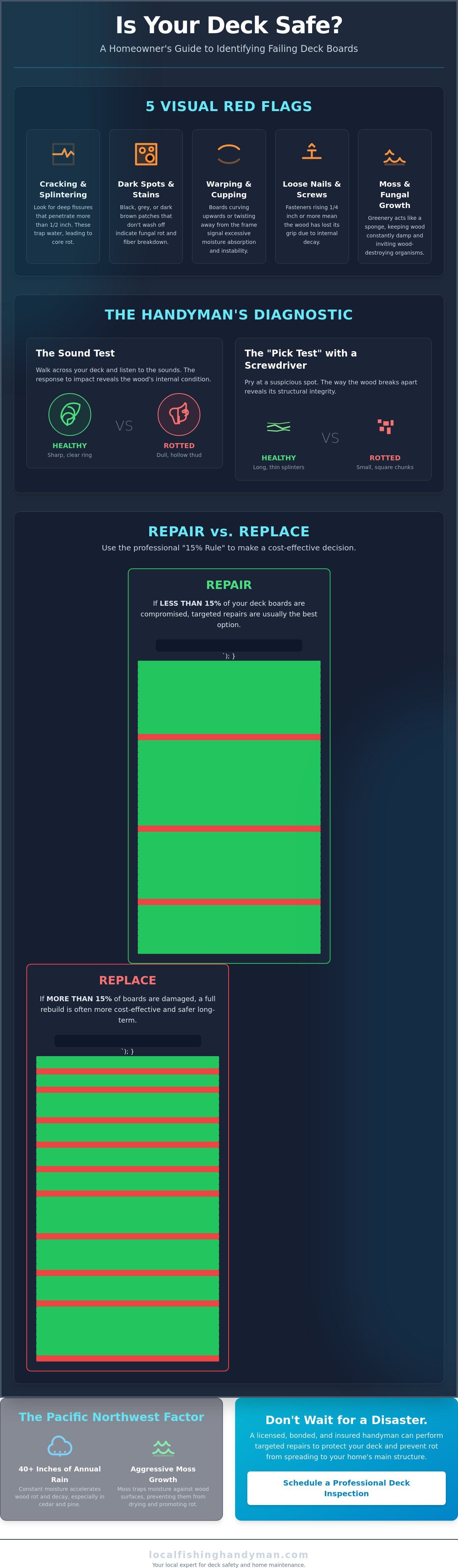
- Cracking and splintering: Small surface cracks, or "checks," are common as wood ages. However, deep fissures that run the length of the board or penetrate more than 1/2 inch deep are structural failures. These openings allow water to reach the core of the timber, where it can't dry out.
- Discoloration and dark spots: If you see black, grey, or dark brown patches that don't wash away with a light cleaning, you're likely looking at fungal rot. When 15% or more of a board shows deep staining, the internal fibers are breaking down and losing their strength.
- Warping and cupping: Boards that curve upward at the edges or twist away from the frame have lost their structural integrity. This movement usually happens because the wood is absorbing too much moisture from the ground or rain, causing uneven expansion.
- Loose or popping nails: When a nail or screw head rises 1/4 inch above the surface, it's a sign the wood has lost its grip. This happens because the internal cells have collapsed or expanded too many times to hold the hardware in place.
- Fungal growth and moss: Greenery on wood isn't just a cleaning issue. Moss acts like a wet sponge, keeping the wood damp for 24 hours a day and inviting wood-destroying organisms to move in.
Surface Wear vs. Deep Rot
It's vital to distinguish between natural aging and dangerous decay. Checking is a natural process where the wood surface dries faster than the interior, creating thin, shallow cracks. These are usually harmless. In contrast, soft rot can be deceptive. The wood might look solid, but if you can poke a screwdriver 1/2 inch into the grain with little resistance, the density is gone. UV damage also plays a role, as sun exposure breaks down the lignin that holds wood fibers together. Understanding deck construction principles helps you see why maintaining these fibers is essential for a stable surface. If the wood feels spongy under your boot, it's time to act.
The Danger of Loose Fasteners
Nail pull is a major red flag for any homeowner. It tells you the board is moving too much during seasonal changes. If you see rusted screws, the metal is likely reacting with the wood's natural tannins. This tannin bleed creates dark stains and actually weakens the wood surrounding the fastener. Sometimes, a loose board isn't the fault of the board itself. If a screw won't tighten back down, it usually means the joist underneath is rotting and can no longer hold hardware. This is a critical sign that you need to check the entire frame for safety. Knowing how to tell if deck boards need replacing can save you from a nasty fall if a board gives way under pressure. Don't ignore a board that wobbles, even if it looks fine on top.
The Handyman’s Diagnostic: Testing Wood Integrity at Home
Learning how to tell if deck boards need replacing doesn't require a degree in structural engineering. It requires a keen eye and a few basic tools. I always carry a flathead screwdriver and a bright flashlight when I'm checking a client's home. These tools reveal the truth about wood that might look fine on the surface but is failing from the inside out. In our local climate, where damp weather is constant, these checks are vital for your family's safety.
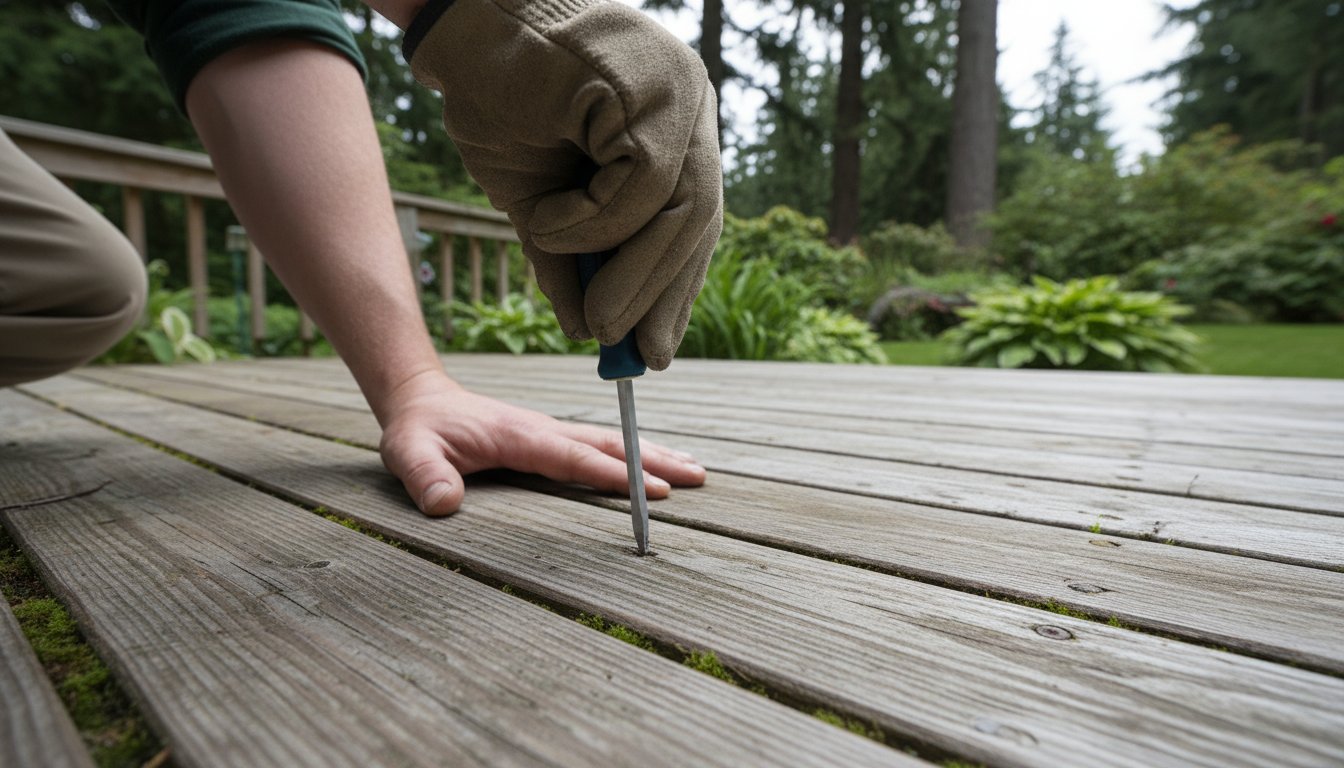
Start with the "Sound Test." Walk across your deck and listen. Solid timber has a sharp, clear ring when struck with a tool handle. If you hear a dull, hollow thud, the internal structure is likely decaying. Next, perform the "Pick Test" on any suspicious spots. Use your screwdriver to pry up a small piece of wood. Healthy wood pulls away in long, thin splinters. Rotted wood is brittle and breaks into small, square chunks. If you see this pattern, the board has lost its structural capacity.
Don't forget the "Vulnerable Zones." Stairs and railings take the most abuse and often fail first. Check the points where the railing posts meet the deck frame. If there is any "give" or wobbling when you lean on them, the wood underneath is likely soft. These areas are high-traffic zones where safety is non-negotiable. If you notice these signs, it is time to consider a professional handyman service to evaluate the damage.
How to Perform the Screwdriver Test
This test is the industry standard for identifying soft spots. Follow these specific steps to get an accurate reading on your wood's condition.
- Step 1: Locate the fasteners. Focus your inspection on areas near screws or where deck boards sit directly on top of the joists.
- Step 2: Apply moderate pressure. Push the tip of the flathead screwdriver into the wood using about 10 pounds of force.
- Step 3: Evaluate the resistance. Solid wood will resist the tip. Rot yields easily, feeling like you are pushing into balsa wood or a sponge.
- Step 4: Measure the depth. If the screwdriver sinks more than 1/4 inch into the grain, the board is rotting and needs immediate attention.
Checking the Underside: What You Can't See from Above
The most dangerous decay often happens where the sun doesn't shine. Grab a flashlight and head under the deck to inspect the joists and beams. Look for "white rot," which appears as a stringy, pale fungus, or "brown rot," which causes the wood to shrink and crack. Identifying these issues early is key to knowing how to tell if deck boards need replacing before a structural failure occurs.
Pay close attention to "water tracking" along the side of your house. This occurs when water bypasses the flashing and pools against the structure. This often leads to moisture problems in decks that can rot the ledger board. The ledger board is the most critical component because it holds the deck to your home. If you find soft wood here, or if the bolts are rusting through, the deck is no longer safe for use. My 15 years of experience has shown that catching ledger rot early saves homeowners thousands in structural repairs.
Repair vs. Replace: Making the Most Cost-Effective Decision
Deciding whether to patch up a few spots or tear everything down is the most common dilemma homeowners face. I always recommend the 15% rule to keep costs manageable. If more than 15% of your deck surface shows signs of rot, splintering, or structural softness, replacing individual boards becomes a losing game. Labor costs for piecemeal repairs quickly outpace the price of a full resurface. Plus, mixing new pressure-treated lumber with boards that are 10 years old creates an uneven surface that is difficult to stain and maintain.
Safety is the primary threshold for any repair. A deck becomes a legal and physical liability the moment the wood can't safely hold a fastener. You can use the NADRA Deck Evaluation Checklist to perform a professional-grade inspection of your ledger board and joists. If the underlying frame is soft or the flashing has failed, new boards won't solve the problem. Most residential decks are designed to support 40 pounds per square foot. If the substructure is compromised, the deck is no longer a feature; it's a hazard for your family and guests.
When Restoration is Still an Option
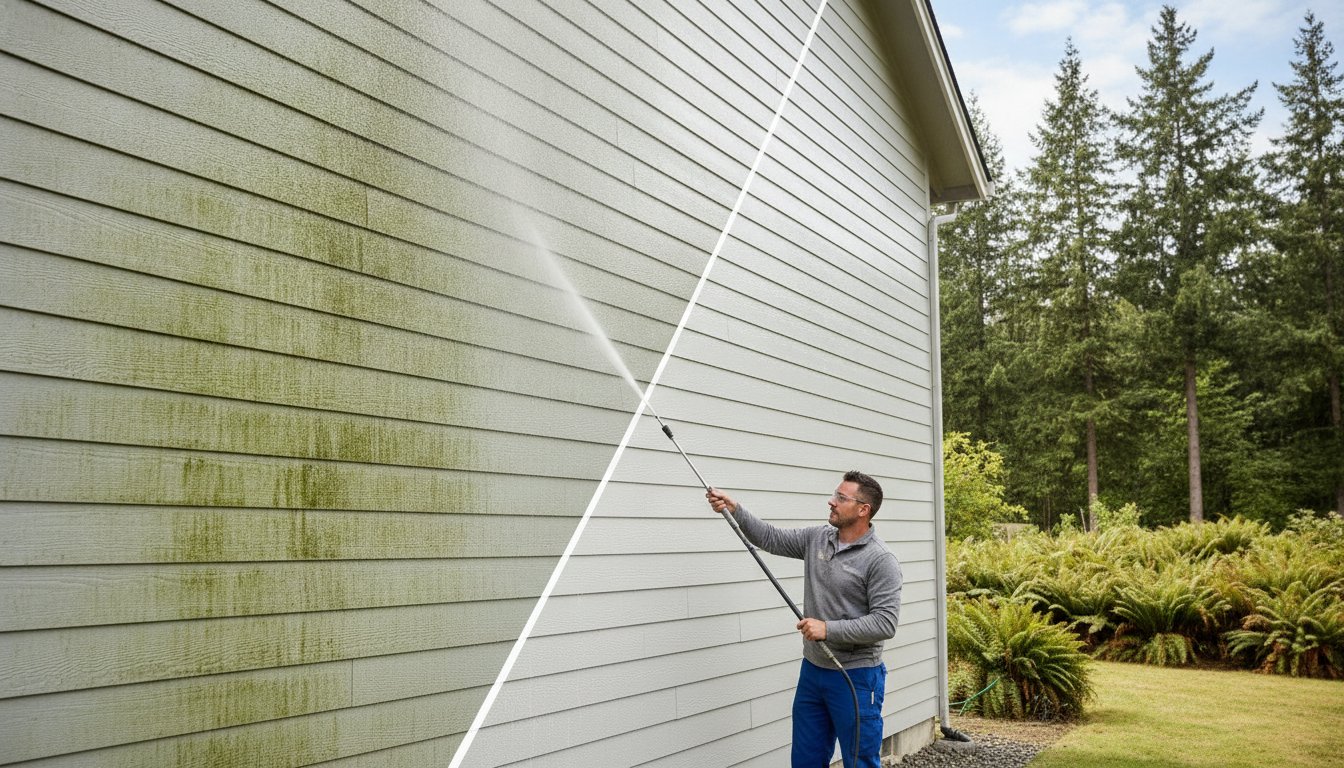
Learning how to tell if deck boards need replacing often reveals that the wood is just "ugly" rather than "rotten." If the wood is gray but passes the screwdriver pick test, restoration is your best bet. Power washing at a controlled 1,500 PSI removes dead wood fibers and exposes fresh grain. Following this with a 60-grit sanding session and a professional-grade oil-based sealant can add 3 to 5 years of life to your deck. Replacing only the high-traffic boards near stairs or doorways is a smart way to save on material costs while maintaining a safe walking path.
While local climate conditions vary, the standards for quality work remain the same; you can discover Cascade Outdoor Services to see how professional deck restoration and structural maintenance are handled by experts in other regions.
When Total Replacement is Unavoidable
Total replacement is the only choice when the joists reach the end of their 15 to 20 year lifespan. Signs of widespread structural sagging or a deck that leans more than 1/2 inch away from the house indicate deep-seated rot. In many cases, local building departments require a full rebuild to meet the 2021 International Residential Code (IRC) standards if you change more than 50% of the structure. I've seen many 15-year-old decks where the surface looks okay, but the joists have "mushy" tops that won't grip a screw. In these situations, a full rebuild protects your investment and ensures the structure remains rock solid for another two decades.
The Oregon Factor: Maintaining Decks in the Pacific Northwest
Oregon’s climate is a heavy hitter for outdoor structures. With over 40 inches of annual rainfall in many parts of the state, your deck stays saturated for months at a time. This relentless moisture is the biggest challenge for any homeowner trying to figure out how to tell if deck boards need replacing before they become a safety hazard. Even pressure-treated wood has its limits. When timber stays wet for eight months straight, the chemical preservatives eventually leach out, leaving the wood vulnerable to deep rot. If your boards feel spongy or stay damp long after the rain stops, the internal structure is likely failing.
Combating Moss and Mildew
Moss is a silent killer for local decks. It functions like a wet sponge, trapping water against the wood surface and preventing it from drying out. This creates a perfect breeding ground for wood-rotting fungi. A quick sweep isn't enough because microscopic spores remain deep in the wood grain. Using an eco-friendly moss-off treatment ensures the growth is dead at the root. This simple step can add years to your deck's life and keeps the surface from becoming a slippery fall hazard during the rainy season.
Choosing the Right Materials for Our Climate
Selecting the right materials is vital for a deck that lasts in the Pacific Northwest. Consider these options:
- Western Red Cedar: It features natural tannins that resist decay, though it requires consistent sealing to prevent graying and cracking.
- Pressure-Treated Hem-Fir: This is a durable, budget-friendly workhorse that handles ground contact well, but it is prone to warping during our wet-dry cycles.
- Stainless Steel Fasteners: These are a requirement in our high-moisture environment to prevent the "bleeding" and rust streaks common with standard galvanized nails.
Deck wood must reach a moisture content of 15% or lower before you apply any professional-grade sealant to ensure proper adhesion. If you aren't sure about the stability of your structure, it's a good idea to schedule a professional deck inspection to catch small issues before they require a full replacement.
Professional Deck Repair: How a Local Handyman Saves You Money
Catching deck issues early is the best way to protect your wallet. Once you know how to tell if deck boards need replacing, acting fast prevents rot from migrating into your home's structural framing. A small patch of soft wood can spread moisture to the ledger board, which is the piece connecting the deck to your house. Fixing a single board is a quick task. Replacing a rotted house rim joist is a major construction project that can cost thousands of dollars. We focus on these targeted repairs to stop decay in its tracks.
Hiring a licensed, bonded, and insured handyman ensures the job is done right the first time. During a professional inspection, your handyman looks for more than just surface wear. They check the integrity of the joists, the tightness of the hardware, and the state of the flashing. This thorough approach identifies problems before they become safety hazards for your family. We use specialized tools to test wood density and check for moisture traps. This ensures every fix is backed by 15 years of hands-on knowledge and high standards. For readers who also maintain a swimming pool, you can visit Right Pool Care to see how a similar level of professional expertise is applied to pool maintenance and renovation.
Handyman vs. General Contractor
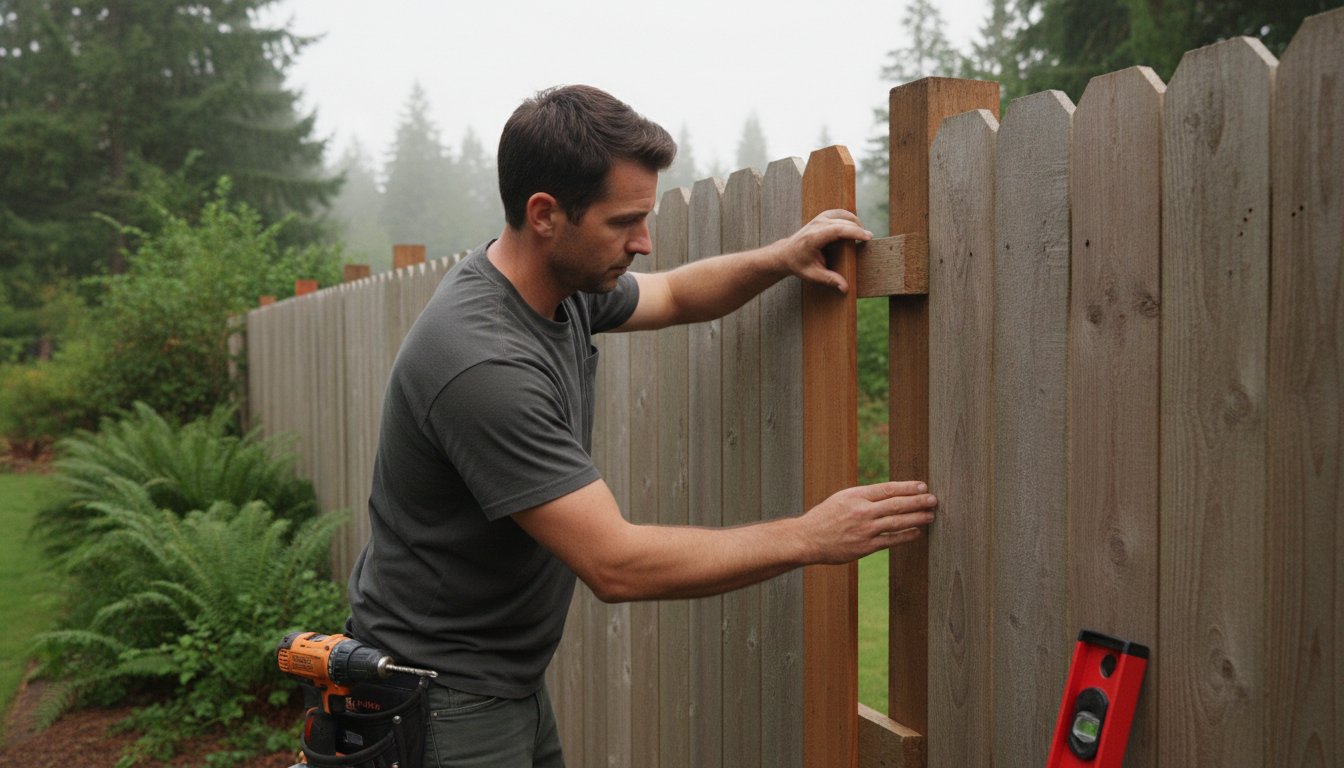
Many general contractors prefer large scale renovations or full deck rebuilds. They may not be interested in smaller maintenance tasks. A handyman is the better choice for board swaps and targeted structural fixes. Local Fishing Handyman brings 15 years of experience to every project. This expertise allows us to spot hidden leaks that an untrained eye might miss. We also offer a senior citizen discount to help our older neighbors keep their homes in top shape without breaking the bank. It's about providing durable solutions that last for years rather than just a temporary patch.
Get Peace of Mind for Your Deck
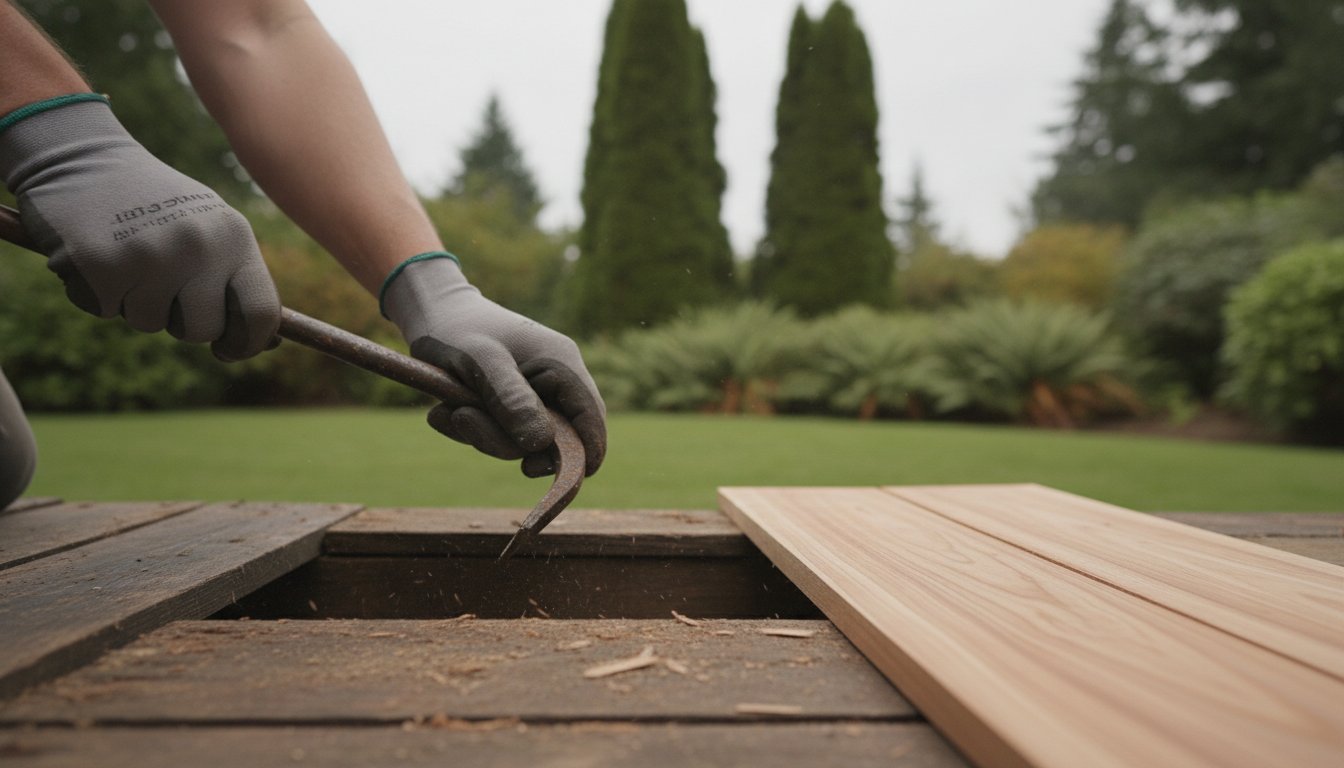
Professional repairs do more than just fix a hole. They restore the beauty and safety of your outdoor living space. We take the time to match new boards to your existing deck's aesthetic so the repair isn't an eyesore. This includes selecting the right wood grade and ensuring the grain pattern looks natural. This attention to detail maintains your home's exterior value and gives you confidence during your next summer barbecue. You won't have to worry about guests tripping on loose fasteners or stepping through a soft spot. It's a simple way to protect your investment and enjoy your home.
While a well-maintained deck is the perfect spot for local relaxation, you might also be planning a getaway to a sunnier destination; if you're traveling to Florida and want to explore the coast, click here to check out the watercraft rentals and tours offered by Salty's Water Sports.
For those who prefer the thrill of the catch on inland waters, you can learn more about Bass Online to plan a premier trophy bass fishing trip on iconic Florida lakes like Lake Toho.
Securing your home starts with a simple evaluation. Don't let a small soft spot turn into a structural failure. Contact Local Fishing Handyman for a deck repair estimate today!
Protect Your Home and Family With a Safer Deck
Understanding how to tell if deck boards need replacing is the first step toward maintaining a safe outdoor space. Look for soft wood, persistent moisture, and structural wobbles that indicate your deck's integrity is compromised. In Oregon, where many areas see over 150 days of rain per year, wood rot can accelerate quickly without proper care. A quick screwdriver test helps identify hidden decay, but a professional eye catches the subtle issues that lead to costly failures later. Local Fishing Handyman has spent 15 plus years mastering the specific challenges of Pacific Northwest home maintenance. We're fully licensed, bonded, and insured under CCB#254463 to give you total peace of mind. Our team takes pride in providing top notch service and offers senior citizen discounts to support our local neighbors. It's time to stop worrying about those soft spots and start enjoying your backyard again. We're ready to help you get the job done right the first time.
Request a Deck Repair Quote from Local Fishing Handyman
Frequently Asked Questions
Is it worth replacing just a few deck boards?
It's worth replacing individual boards if the rest of the deck is structurally sound and the damage is localized. Replacing 3 or 4 boards can save you thousands compared to a full rebuild. If more than 20 percent of the surface is damaged, a full replacement is usually more cost-effective. This approach lets you fix immediate safety hazards without the high price of a total renovation.
How can I tell if my deck joists are rotten?
You can tell joists are rotten by pressing a screwdriver into the wood at the points where boards meet the frame. If the metal sinks in more than 1/4 inch without much effort, the wood is soft and failing. Check for dark stains or fungal growth along the beams. Knowing how to tell if deck boards need replacing often starts with inspecting these hidden supports to ensure the whole structure is safe.
What is the average lifespan of a wooden deck in Oregon?
A standard wooden deck in Oregon lasts between 10 and 15 years for western red cedar and up to 20 years for pressure-treated lumber. High rainfall in the Pacific Northwest, averaging 36 inches annually in many areas, accelerates wood rot. Regular maintenance like powerwashing and sealing every 2 years can extend this lifespan. Without proper care, decks in our wet climate can fail in under 8 years.
Can I use a deck restorer product on rotten wood?
You shouldn't use deck restorer products on rotten wood because they don't fix the underlying structural failure. These coatings are thick and can hide rot, which makes the deck dangerous. Restorer products are designed for weathered wood that's still solid. If you apply it over rot, the product will peel off within 6 to 12 months as the wood continues to crumble underneath.
How much does it cost to have a handyman replace deck boards?
According to data from HomeAdvisor, homeowners typically pay between $15 and $50 per square foot for professional deck repairs. This includes the cost of labor and materials like pressure-treated pine or cedar. For a small section of 5 to 10 boards, a handyman might charge a flat service fee plus the material costs. Prices depend on the wood type and the height of the deck from the ground.
Is a permit required to replace deck boards in Oregon?
A permit isn't required in Oregon for non-structural repairs like replacing surface deck boards or handrails. The Oregon Residential Specialty Code states that you only need a permit if you're changing the size of the deck or replacing structural beams and posts. Always check with your local building department, such as the City of Portland, because rules can vary depending on your specific city or county jurisdiction.
What is the best time of year to repair a deck in the PNW?
The best time to repair a deck in the Pacific Northwest is between July and September. You need at least 48 hours of dry weather for the wood to stay at a moisture content below 15 percent before applying any sealants. Repairing during these 3 dry months ensures that the new boards don't trap moisture. This timing helps your repairs last longer and protects your investment from the heavy winter rains.