If you stepped onto your deck right now, would you bet your family's safety on the ledger board holding it to the house? In Oregon, our constant moisture works quietly behind the scenes to rot wood from the inside out. You probably enjoy your outdoor space for weekend BBQs and morning coffee, but it's natural to feel a bit of anxiety when you notice a soft spot or a wobbly railing. You want to know if that small crack is just cosmetic or if it's one of the major signs your deck is unsafe.
We understand the fear of a guest getting hurt. It's stressful to worry that a repair bill might spiral out of control. This guide will show you how to identify hidden deck dangers before they lead to costly repairs or a dangerous collapse. We'll provide a clear "go/no-go" checklist for your next gathering and help you decide when a simple fix is enough versus when you need a seasoned craftsman to step in. You'll learn exactly what to look for to keep your home and your guests protected.
Key Takeaways
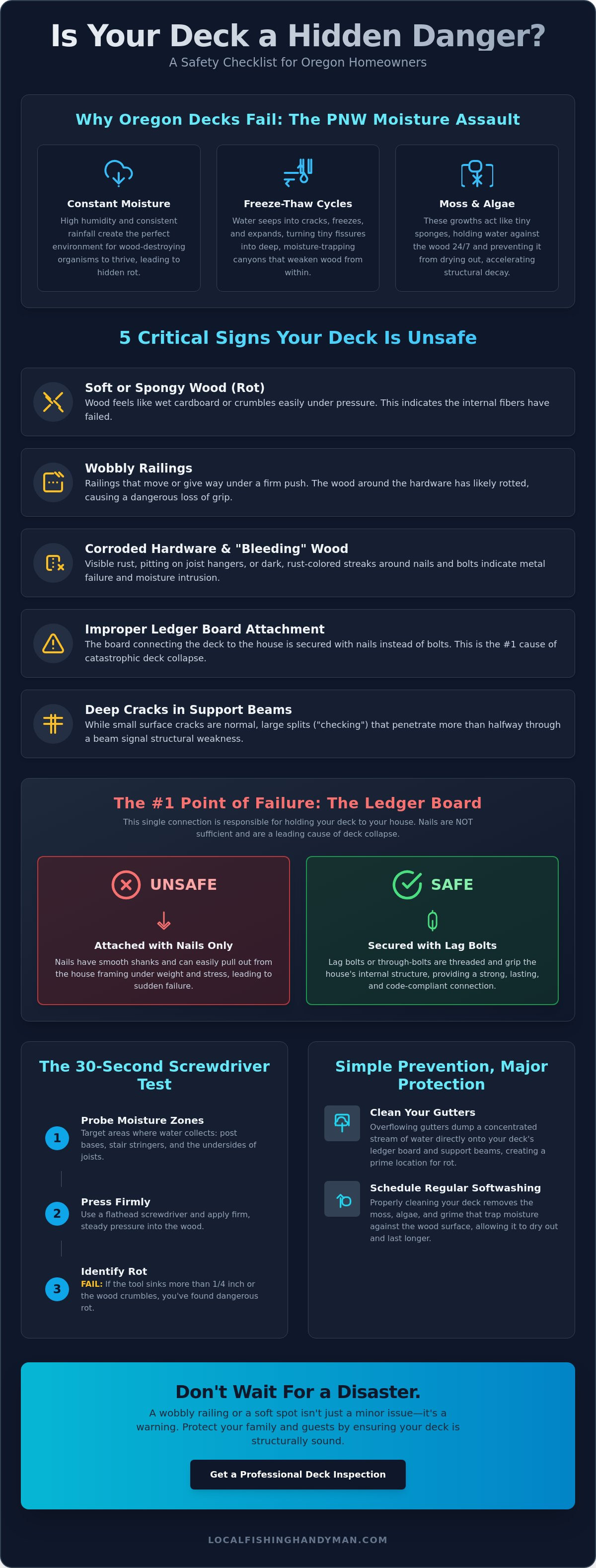
- Understand how Oregon's damp climate and freeze-thaw cycles create hidden rot that compromises your deck's structural integrity.
- Learn how to use the "screwdriver test" to identify the five critical signs your deck is unsafe for your family and guests.
- Identify the #1 point of failure by checking if your ledger board is secured with proper bolts instead of just nails.
- Discover how simple maintenance like gutter cleaning and softwashing can prevent moisture from destroying your deck's support beams.
- Know when a "wobble" is a minor fix and when it signals a structural failure that requires a licensed professional.
Why Oregon Decks Fail: The Hidden Impact of PNW Moisture
Living in Oregon means dealing with a climate that is fundamentally hostile to wood. Our high humidity and consistent rainfall do more than just make the yard muddy. These conditions create the perfect environment for wood-destroying organisms to thrive. While a deck in a drier state might last decades with minimal care, a Pacific Northwest deck faces a constant biological assault. This environmental pressure is why homeowners often miss the early signs your deck is unsafe.
In the Willamette Valley, we also deal with a specific freeze-thaw cycle. During our wet winters, water seeps into the small, natural cracks in your deck boards. When the temperature drops below freezing, that water expands. This expansion physically pushes the wood fibers apart. The process turns tiny surface cracks into deep fissures that trap even more moisture. By the time spring arrives, a deck that was structurally sound the previous summer might have developed serious internal weaknesses. This cycle is a primary reason why deck construction requires specific attention to moisture management in our region.
The Role of Moss and Algae in Wood Decay
Many homeowners view moss as a purely cosmetic problem that just needs a quick scrub. However, moss uses tiny root-like structures called rhizoids to anchor itself into the wood. These rhizoids penetrate the fibers and act like tiny sponges. They hold water against the grain 24 hours a day, even during a brief dry spell. This constant dampness prevents the wood from ever drying out, which leads to deep, structural rot. If your deck surface feels slippery when it's wet, you likely have an algae or moss buildup. Regular cleaning is your first line of defense against this moisture trap.
Structural Fatigue vs. Cosmetic Wear
It helps to know the difference between wood that looks old and wood that is failing. Western red cedar naturally turns a silver-gray color when exposed to UV rays. This change is cosmetic and doesn't mean the wood is weak. Structural rot is much more dangerous. It often hides beneath the surface or in the joints where boards overlap. You can't rely on a quick visual glance at the top of the boards to tell if the structure is sound. Structural integrity begins where the wood meets the house. If the connection points are compromised, the rest of the deck's appearance is irrelevant. Learning to spot these signs your deck is unsafe keeps your family secure and prevents small issues from becoming total failures.
5 Critical Signs Your Deck Is Unsafe for Use
Safety isn't about how your deck looks during a sunny BBQ. It's about how the structure handles weight when it's wet and stressed. Knowing the signs your deck is unsafe can prevent a minor maintenance issue from turning into a catastrophic collapse. Most structural failures don't happen all at once; they are the result of years of moisture damage that finally reaches a breaking point.
A thorough inspection takes about thirty minutes. It's time well spent to ensure your outdoor space remains a sanctuary rather than a hazard. Experts recommend that you evaluate your deck annually, focusing specifically on the connection points and the condition of the support lumber. If you find any of the following issues, it's time to restrict access until the problem is fixed.
The Screwdriver Test for Dry Rot
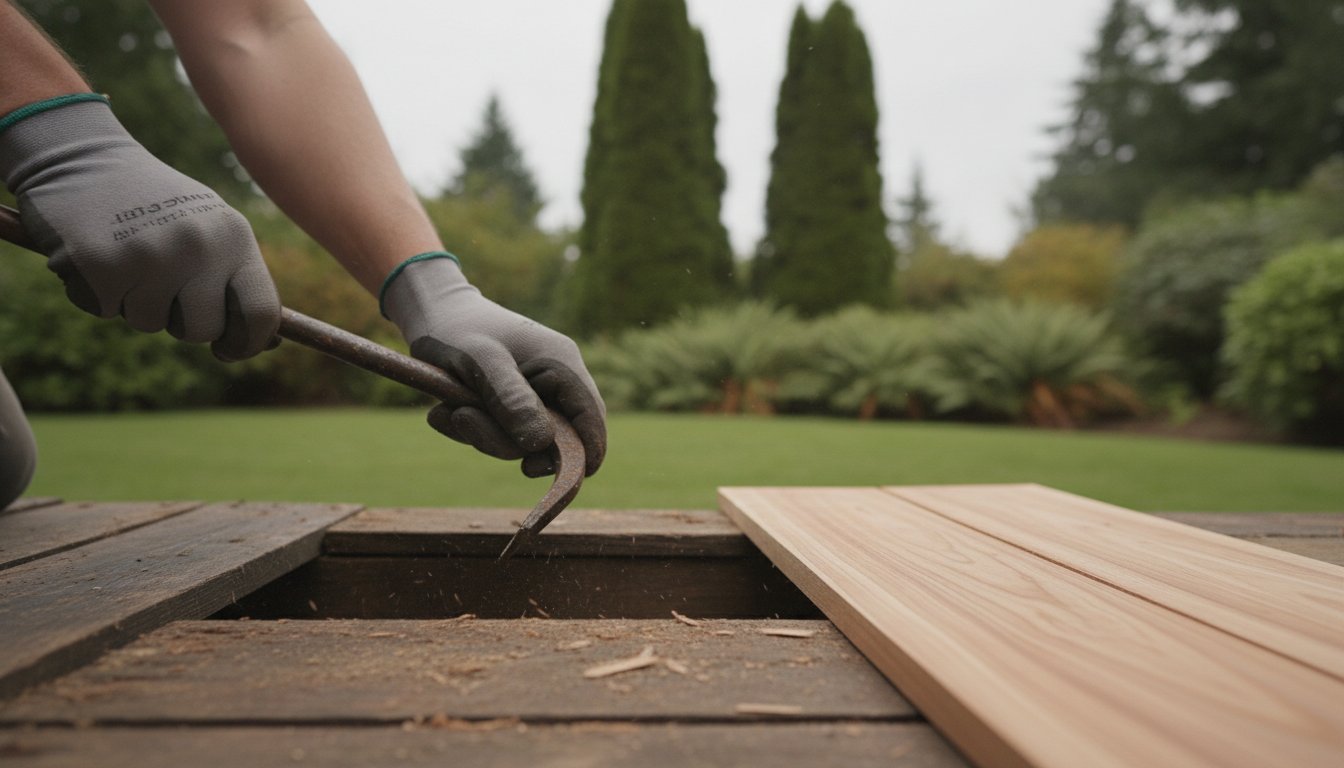
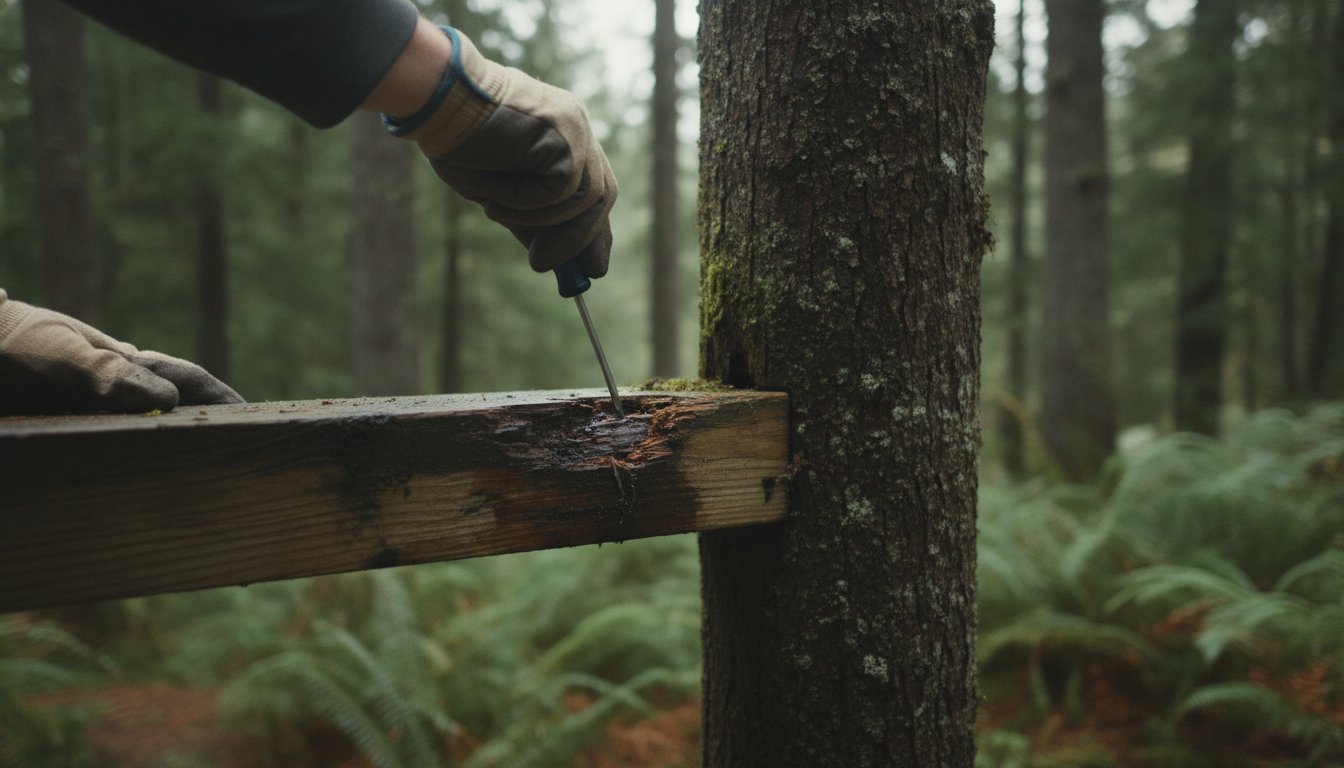
Grab a flathead screwdriver and head under the deck. You want to probe the areas where moisture collects, such as stair stringers, post bases, and the undersides of joists. Press the screwdriver firmly into the wood. If the tool sinks more than a quarter-inch or the wood crumbles like wet cardboard, you've found rot. This spongy feel means the internal fibers have failed. If you find multiple soft spots in your support beams, you should look into professional deck repairs to restore the structure's integrity.
Evaluating Railing and Guardrail Stability
Railings are the most common cause of deck-related injuries. They must be strong enough to support a person's full weight if they trip or lean back. The industry standard is a 200lb force test. Stand on the deck and give the railing a firm push. If it wobbles or gives even slightly, the connection is failing. Often, the wood surrounding the bolts has rotted, causing the hardware to lose its grip. A railing that moves is a clear indicator of the signs your deck is unsafe.
Beyond the wood and railings, you must check the metal hardware. Look for "bleeding" wood, which appears as dark, rust-colored streaks around nails and bolts. If joist hangers are rusted or pitted, they can no longer hold the weight they were designed for. Additionally, keep an eye on support beams for "checking." While small surface cracks are normal, deep splits that penetrate more than halfway through a beam are a sign of structural fatigue. Finally, look for any gap between the deck and your house. If the deck is pulling away from the siding, it means the ledger board is failing. This is the most dangerous sign of all and requires immediate attention.
The Ledger Board Audit: The #1 Point of Failure
The ledger board is the most critical component of your deck's structure. It is the horizontal pressure-treated beam that physically attaches the deck frame to the rim joist of your house. If this connection fails, the entire deck can pull away and collapse without warning. While we discussed surface rot earlier, the ledger board is where safety is truly won or lost. One of the most terrifying signs your deck is unsafe is seeing daylight between the house siding and the deck itself. If you can see a gap, the deck is already in the process of failing.
Most catastrophic deck collapses occur because the ledger board was either improperly fastened or the wood behind it rotted away. In our damp Oregon climate, this area is a magnet for moisture. You need to know exactly how your deck is anchored to your home to sleep soundly at night. A quick visual check from underneath can tell you if you're standing on a solid foundation or a disaster waiting to happen.
Nails vs. Bolts: Is Your Connection Up to Code?
In the past, many builders simply nailed the ledger board to the house. This is a dangerous practice because nails provide very little resistance against the deck pulling outward. Over time, the weight of people and furniture, combined with the natural expansion of wood, can cause those nails to slide right out of the rim joist. If your deck was built more than fifteen years ago, there is a high chance it was constructed this way. Older decks built with nails are often considered a ticking time bomb by safety inspectors.
You can identify your fasteners by looking at the ledger board from the crawlspace or from underneath the deck. You should see the large, hexagonal heads of lag screws or the rounded heads of carriage bolts spaced every few inches. If you only see flat nail heads, your deck doesn't meet modern safety standards. According to NADRA's Deck Safety Checklist, a secure ledger connection is the foundation of a safe deck. If you find rusted hardware or missing bolts, this is a structural emergency that requires immediate reinforcement.
Flashing and Water Management
In Oregon, water is the constant enemy of the ledger board. Flashing is the metal shield that directs water away from the house-deck joint. Without this protective barrier, rain runs down the siding and gets trapped directly behind the ledger. This creates a permanent pocket of moisture that never dries out, even during our brief summer months. This trapped water eventually rots the ledger board and the rim joist of your home.
Replacing a deck is one thing; repairing a rotted house frame is a massive, expensive project. Look for water stains on the interior of your basement or crawlspace directly behind where the deck attaches. You might also notice mushroom growth or dark, slimy streaks behind the ledger board. These are clear signs your deck is unsafe and is actively damaging your home's structural health. If the flashing is missing or damaged, moisture will continue to eat away at your investment until the wood can no longer hold the weight of the bolts.
Preventative Care: How Maintenance Stops Structural Rot
Structural failure doesn't happen overnight. It is the result of years of moisture being allowed to sit against wood fibers. In Oregon, our job as homeowners is to manage how water moves across our property. If you can control the moisture, you can stop the rot. Effective preventative care is the most reliable way to avoid the signs your deck is unsafe. It's also much more affordable to clean a deck than it is to replace a support beam.
One of the biggest threats to a deck is what we call "organic load." This is the buildup of pine needles, leaves, and maple seeds that get trapped in the gaps between your deck boards. In our climate, this debris stays wet for months. It acts like a damp poultice that feeds wood-destroying fungi. Keeping these gaps clear allows for airflow, which is essential for the wood to dry out between rainstorms. You should also pay attention to when your deck stops "beading" water. If rain soaks directly into the wood instead of sitting on top, your sealer has failed, and moisture is now penetrating the structural core.
Softwashing vs. Pressure Washing
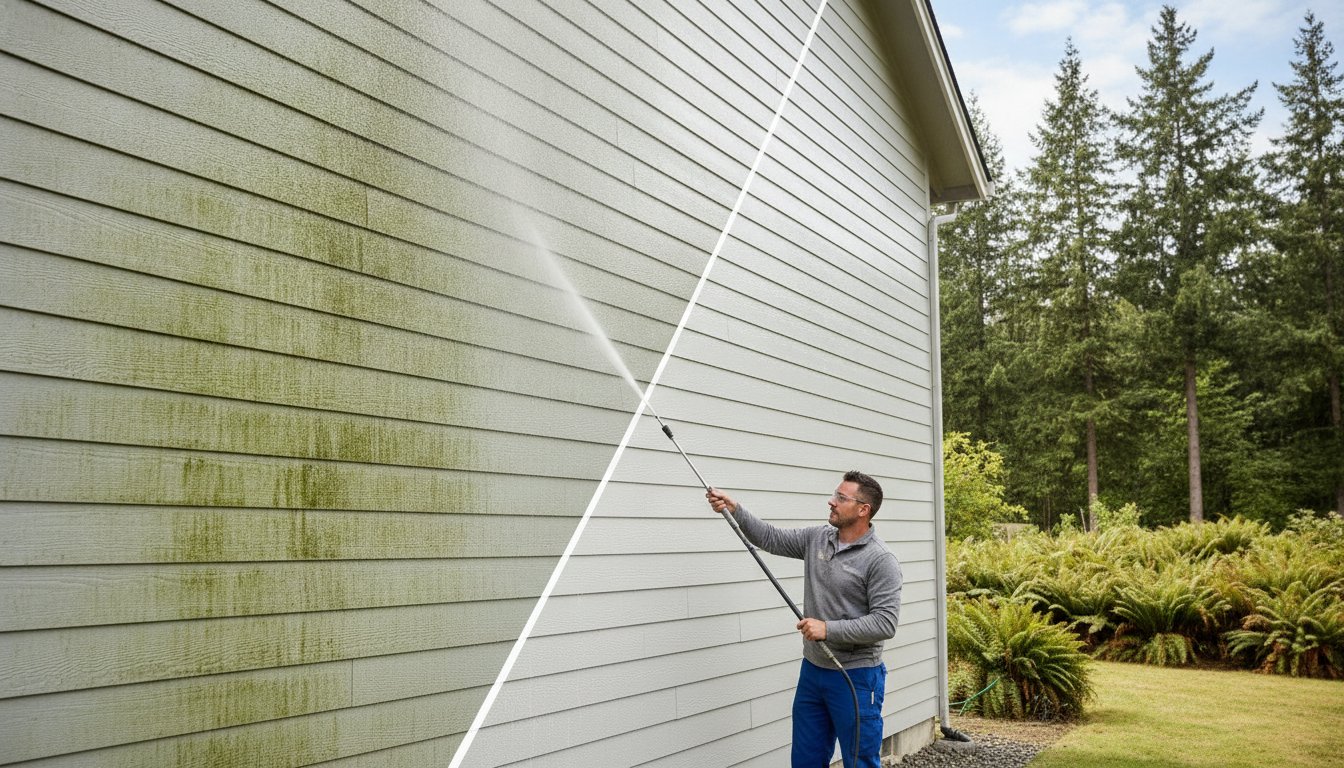
Many people reach for a high-pressure washer to clean off winter grime. This is often a mistake for older wood. High pressure can "fuzz" the surface of the lumber, which opens up the pores and makes it easier for rot to take hold. It physically damages the wood grain. We recommend a gentler approach. Using a professional Softwash House Cleaning method kills moss and algae at the root level without damaging the wood. This process ensures your deck is clean and the structural fibers remain intact for years to come.
Gutter Maintenance and Deck Safety
Your roof and your deck are more connected than you might think. When gutters get clogged with moss and debris, water overflows and often dumps gallons of liquid directly onto the deck's ledger board. As we discussed earlier, the ledger is the most critical connection point. This concentrated water flow can overwhelm even the best flashing. Regular maintenance is key here. You can learn more about Why Gutter Cleaning is Vital for Oregon Homes to protect your entire structure. Ensuring your downspouts extend away from deck posts also prevents the soil from becoming a swampy mess that rots your footings from the bottom up.
If you have noticed any soft spots or wobbly sections during your cleaning, don't wait for a collapse to act. You can get a professional assessment and expert deck repairs to ensure your outdoor space is ready for the next season. Taking care of these small tasks now keeps your family safe and protects your home's value.
When to Call a Professional for Deck Repairs
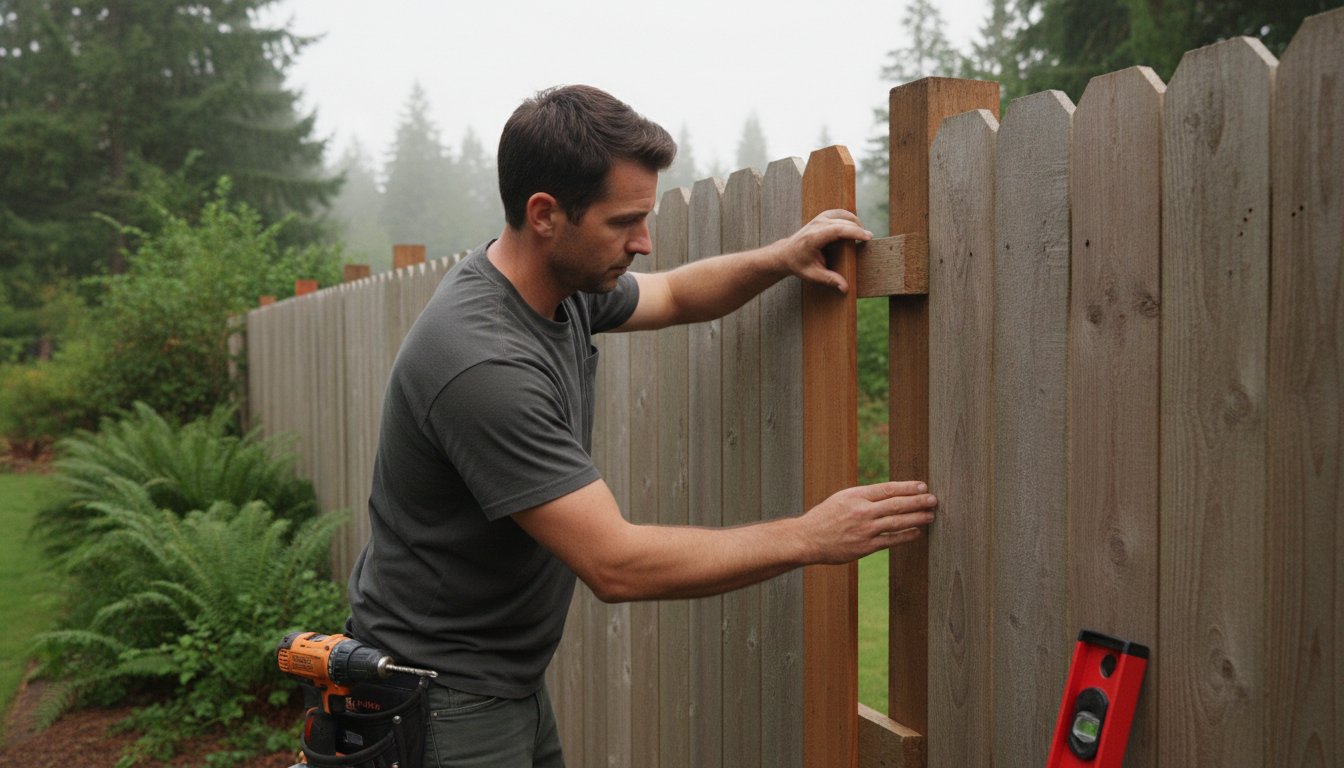
Deciding when to fix a deck yourself and when to call in a pro depends on the severity of the damage. If you just have one loose deck board, a handy homeowner can usually swap it out. However, if you've identified the structural signs your deck is unsafe, such as a wobbly railing or a pulling ledger board, you need a specialist. Structural integrity isn't something to gamble with. A professional understands the mechanics of weight distribution and knows how to ensure your deck meets current safety standards.
At Local Fishing Handyman LLC, our approach to deck and siding repairs is based on long-term durability. We don't just hide the rot; we remove it and fix the underlying moisture issue. Whether it's a small support reinforcement or a larger repair, we focus on making the structure sound before worrying about the aesthetics. A fresh coat of stain won't help if the support posts are rotting into the ground. We take pride in helping our neighbors keep their homes safe and functional throughout the Oregon seasons.
The Oregon CCB Advantage
In Oregon, any contractor performing structural work must be licensed by the Construction Contractors Board. Hiring a pro with a valid license, such as CCB#254463, protects you in several ways. It ensures the contractor is bonded and insured, which provides peace of mind if an accident occurs on your property. Using unlicensed labor for structural repairs is a major risk. If a repair fails and someone gets hurt, you could be held liable. A licensed local craftsman has the experience to perform the job correctly without taking shortcuts that compromise your home's safety.
When you schedule a professional safety inspection, expect a methodical review of the entire structure. We look at the "bones" of the deck first. This includes checking the footings, the joist hangers, and the ledger connection we discussed earlier. We provide a clear, no-nonsense assessment of what needs to stay and what needs to go. This results-oriented approach ensures you aren't paying for unnecessary work while keeping your family's security as the top priority.
Next Steps for Your Deck Safety
If you're worried about the state of your outdoor space, the best first step is to clear the area. Move your furniture and grill so the support structure is easy to see. This makes it much faster for a contractor to give you an accurate estimate. Remember to prioritize the structural health of the deck before the "beauty" of the surface. If you've seen any signs your deck is unsafe during your own walk-through, it's time to get an expert opinion. We can help you determine the best path forward for your specific situation.
Don't let a small maintenance issue turn into a dangerous situation. You can Contact Local Fishing Handyman for a Deck Safety Assessment to get a professional look at your deck's health. We are here to provide the reliable, hardworking service you expect from a local craftsman.
Secure Your Outdoor Space for the Seasons Ahead
A safe deck is the foundation of every great Oregon summer. We've covered how moisture, moss, and failed ledger connections can quietly compromise your home's structure. By learning to spot the signs your deck is unsafe, you've taken the first step toward protecting your family and your investment. Remember that maintenance like gutter cleaning and softwashing isn't just about looks; it's about keeping the support beams of your deck dry and strong.
If you found soft wood or wobbly railings during your inspection, don't wait for a failure to happen. Local Fishing Handyman LLC is a licensed, bonded, and insured provider (CCB#254463) with deep expertise in PNW exterior maintenance. As an Oregon-owned and operated business, we understand the specific challenges our climate poses to your property. We focus on practical, high-quality outcomes that provide you with lasting peace of mind.
Get a Professional Deck Repair Estimate from Local Fishing Handyman today. Let's make sure your outdoor space is ready for years of safe use and neighborly gatherings. Take care out there!
Frequently Asked Questions
How can I tell if my deck is rotting or just dirty?
Dirty wood typically has a gray appearance or surface algae that can be washed away with a gentle cleaning. Rot is a structural failure where the wood fibers have broken down completely. If the wood feels soft, spongy, or crumbles under your fingernail, it is rotting. Dirt can be cleaned, but rot must be cut out and replaced to ensure your family's safety.
Is it normal for a deck to sway or wobble slightly?
A properly constructed deck should not sway or wobble when you walk on it. Any movement suggests that the lateral bracing is insufficient or that the fasteners at the house connection have loosened. This movement is one of the major signs your deck is unsafe because it puts repetitive stress on the bolts. Over time, this can lead to a complete structural failure.
Can a handyman fix a deck, or do I need a specialized deck builder?
A seasoned handyman can handle most deck repairs, such as replacing rotted boards, fixing railings, or reinforcing joists. You generally only need a specialized builder for a full replacement or a complex new construction project. In Oregon, ensure the person you hire is a licensed contractor. This ensures the work meets local safety codes and protects your property value.
How much weight can a standard residential deck safely hold?
Most residential decks are engineered to support a total load of 40 to 50 pounds per square foot. This includes the weight of the deck itself plus "live loads" like furniture and guests. If you plan on adding a heavy item like a hot tub, you must reinforce the frame. Hot tubs can weigh several thousand pounds and will quickly cause a standard deck to collapse.
How often should I have my deck professionally inspected in Oregon?
You should have your deck inspected at least once a year due to the constant moisture in the Pacific Northwest. Our long rainy seasons and humidity accelerate wood decay much faster than in other regions. An annual checkup allows you to catch small issues like loose bolts or minor rot before they become expensive structural problems.
Will power washing my deck make it more or less safe?
High pressure power washing can actually make an older deck less safe by splintering the wood and opening up pores to more moisture. It physically weakens the surface fibers of the lumber. We recommend softwashing instead. This method uses gentle pressure and specialized cleaners to kill moss and algae at the root without damaging the structural integrity of the wood.
What is the "screwdriver test" for deck safety?
The screwdriver test involves using a flathead screwdriver to probe the wood in dark, damp areas like post bases or stairs. If the screwdriver sinks easily into the wood or it feels like you are pushing into a sponge, the wood is rotted. This is a simple but effective way to identify the internal signs your deck is unsafe even if the surface looks fine.
Does homeowner insurance cover a deck collapse?
Homeowner insurance typically covers collapses caused by sudden events like a fallen tree or a heavy snowstorm. However, most policies exclude damage caused by "wear and tear" or "lack of maintenance." If your deck falls because of long-term rot or termite damage that you ignored, your claim will likely be denied. Regular maintenance is your best insurance policy.