Imagine waking up to a quiet, snowy Oregon morning, only to notice a steady drip of water coming through your living room ceiling. You look outside and see a thick ridge of ice clinging to your eaves, backed up by a pool of melting snow that has nowhere to go. It is a stressful situation that many Pacific Northwest homeowners face when the temperature drops. Learning how to prevent ice dams in gutters Oregon winters create is the best way to avoid these costly leaks and the anxiety of unexpected water damage.
You likely already realize that keeping your home safe during a cold snap is a top priority, but the thought of climbing a slick ladder in freezing weather is enough to make anyone uneasy. This guide provides the practical, actionable steps you need to protect your property from the elements. We will walk through the essential maintenance tasks that keep your roof healthy and help you understand exactly when it is time to call in a local professional to handle the job safely.
Key Takeaways
- Learn why Oregon's specific "Rain-Freeze" cycle creates a high risk for ice dams and how to spot the warning signs early.
- Discover how to prevent ice dams in gutters Oregon homeowners often face by prioritizing thorough gutter cleaning and moss removal before the first freeze.
- Get practical advice on using active mitigation tools like heat cables and roof rakes to keep your eaves clear and functional.
- Understand the critical role of attic ventilation in managing roof temperatures to stop ice formation before it starts.
- Identify when it is time to call a professional for winter prep to ensure the job is done safely and correctly without risking a fall.
What is a Roof Ice Dam and Why are They Common in Oregon?
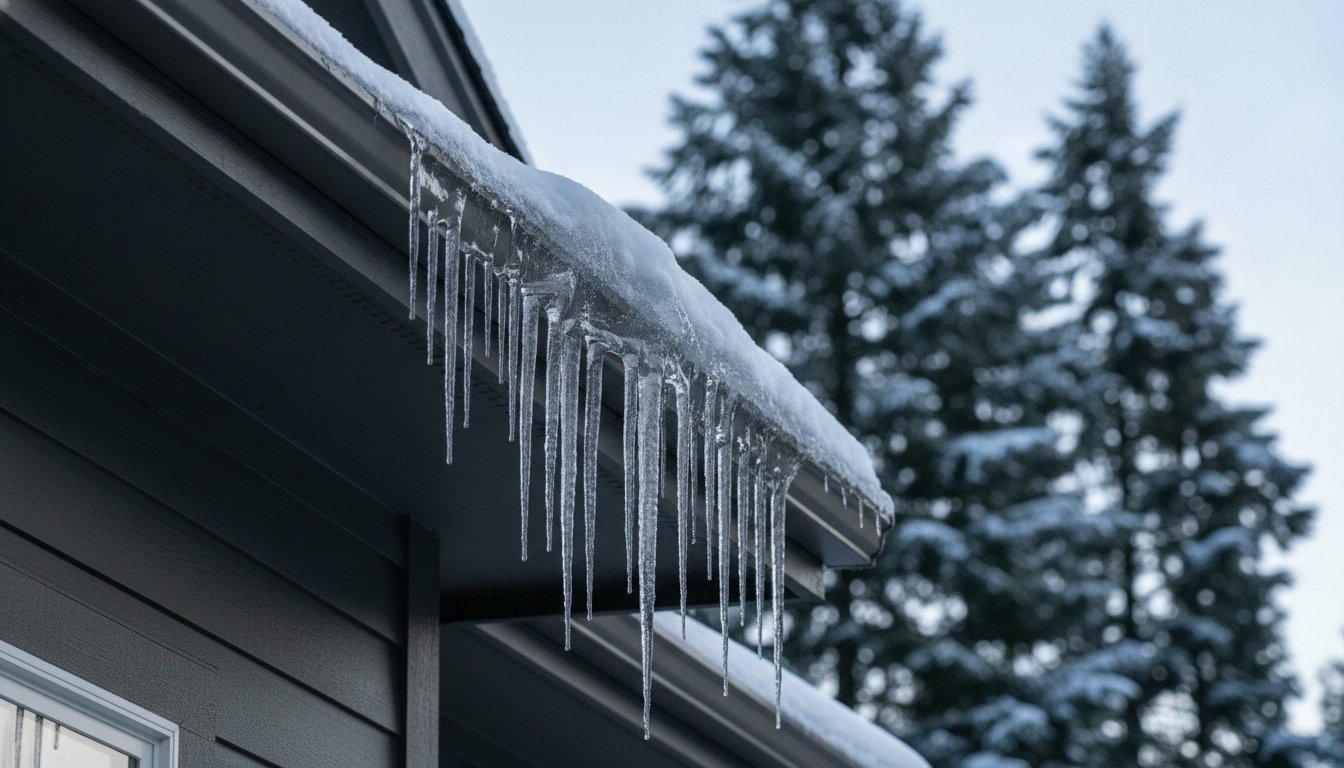
An ice dam is a ridge of ice that forms at the edge of a roof. It acts like a literal wall, preventing melting snow from draining off the house. Before you can fix the problem, you need to understand What is an ice dam and how it behaves on a standard roof. In the Pacific Northwest, we deal with a unique "Rain-Freeze" cycle. Wet snow falls, temperatures fluctuate around the freezing mark, and ice builds up rapidly. Knowing how to prevent ice dams in gutters Oregon weather creates is vital for every local resident who wants to avoid a flooded living room.
The primary cause of this issue is uneven roof temperatures. When heat escapes from your attic, it warms the upper parts of the roof deck. This melts the bottom layer of snow, which then flows down toward the eaves. Since the eaves extend beyond the heated walls of the house, they remain cold. The water hits that cold edge and freezes instantly. Over time, this creates a "Back-up Effect." Trapped water pools behind the ice ridge and eventually forces its way under your shingles, leading to hidden leaks in your walls and ceiling.
The Anatomy of an Oregon Ice Dam
Oregon winters often feature "Cascade Concrete," which is our nickname for heavy, wet snow. This type of snow is dense and holds a high volume of water. When the "warm roof, cold eave" dynamic starts, this heavy snow provides a massive reservoir of moisture for the ice dam to grow. You can spot trouble early by looking for specific signs. Massive, thick icicles are a clear warning. You might also notice water stains on your interior ceilings or ice forming directly behind the gutter fascia boards. These symptoms mean the dam is already causing damage.
Why Oregon Gutters Fail in Winter
Proper maintenance is the most reliable way to learn how to prevent ice dams in gutters Oregon winters throw your way. Clogged gutters are the perfect foundation for ice ridges. When your gutters are full of pine needles and leaves, they trap water that should be flowing away. As that water freezes, it expands. Ice is incredibly powerful; it can pull gutters away from the house or bend the metal hangers until they snap. This is a significant risk for homes in high-moisture areas like Portland or Eugene, where the constant dampness makes it easy for debris to settle and freeze into a solid block.
5 Steps to Prevent Ice Dams in Your Gutters
Protecting your home from winter weather requires a proactive maintenance plan. You can't just fix one part of the system; you have to look at how your roof, gutters, and attic work together. Understanding how to prevent ice dams in gutters Oregon winters create starts with these five essential steps. By taking action before the first freeze, you can keep your home dry and avoid the stress of emergency repairs.
Step 1: The Critical Fall Gutter Clean
Removing Oregon fir needles and maple leaves is non-negotiable. These small materials often bypass the main gutter and get stuck in the elbows of your downspouts. These hidden clogs are dangerous because they are hard to see from the ground. When your gutters are clean, the daily freeze-thaw cycle works as intended. Meltwater flows through the system and away from the house instead of turning into a heavy ice anchor. A professional Gutter Cleaning service ensures that every elbow and downspout is clear before the temperature drops.
Step 2: Softwash Moss-Off Treatment
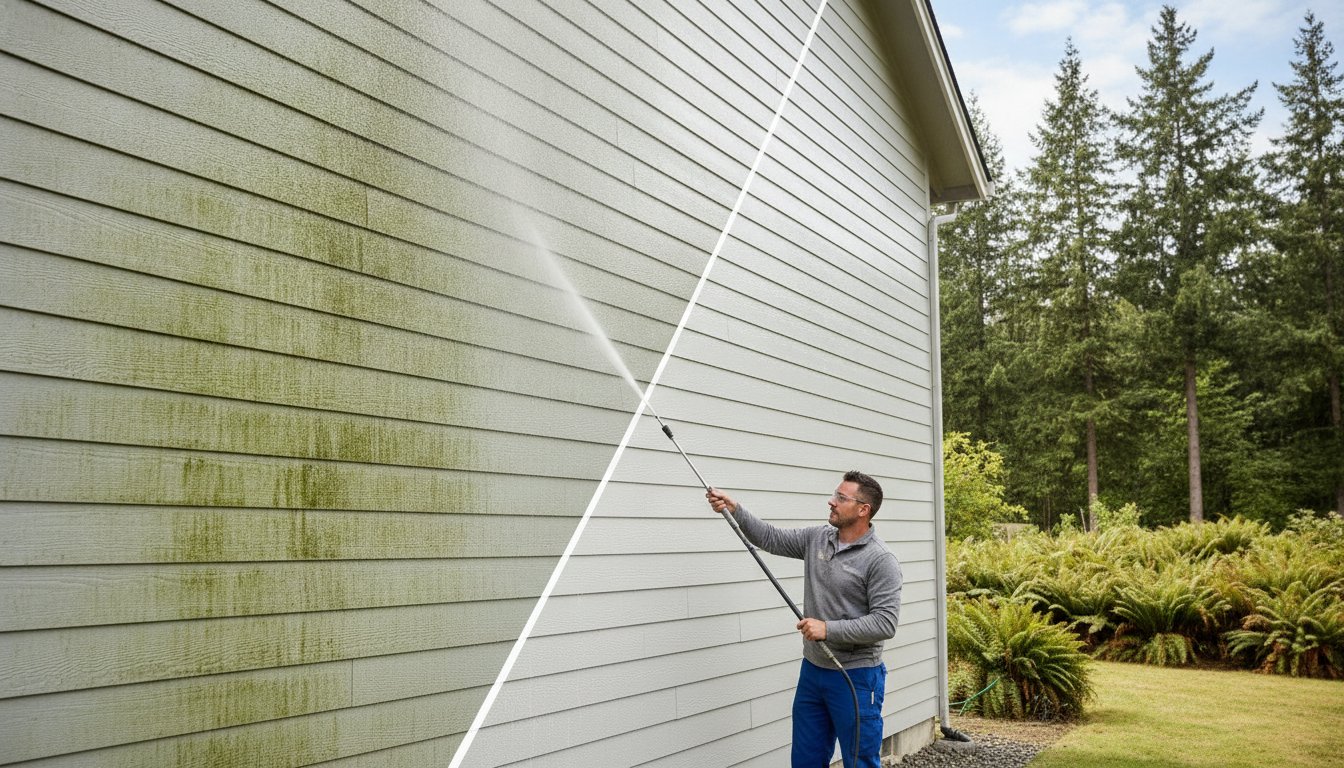
Moss is a major contributor to ice dams in the Pacific Northwest. It acts like a sponge, holding onto moisture long after the rain stops. When temperatures drop, that saturated moss freezes into a solid block of ice right against your shingles. We recommend a Softwash Moss-Off Roof Treatment rather than high-pressure washing. Powerwashing is too aggressive and can strip the protective granules off your shingles. A softwash uses specialized solutions to kill moss at the root, which prevents it from trapping the water that leads to ice buildup.
Step 3: Attic Air Sealing and Insulation
Heat loss is the engine that drives ice dam formation. You need to identify "hot spots" where warm air escapes into your attic. Common culprits include recessed lights, plumbing stacks, and attic hatches. Sealing these gaps prevents the "chimney effect" that warms your roof deck from the inside. Properly insulating your attic is a key part of how to prevent ice dams in gutters Oregon homes suffer from during cold snaps. For our climate, aiming for an insulation value of R-49 to R-60 provides a strong barrier that keeps the snow on your roof from melting prematurely.
Step 4: Clear Downspout Discharge
Ensure your downspouts discharge water far from your foundation. If the exit point is blocked by snow, ice, or garden debris, the water will back up into the gutter system and freeze. Check that your splash blocks or underground drains are clear and functional. If water can't leave the downspout, it will quickly fill the gutter and create a massive ice dam that can pull the metal right off your fascia boards.
Step 5: Monitor Snow and Use a Roof Rake
Keep an eye on snow levels after a heavy storm. If you see more than six inches of snow accumulating, it is time to take action. Using a roof rake to clear the first 3 to 6 feet of snow from your eaves can significantly reduce the fuel available for ice dam growth. This is a simple way to manage the "Cascade Concrete" we often get in Oregon. Always work from the ground and stay well away from overhead power lines while raking.
Active Mitigation: Heat Cables and Roof Raking
While cleaning your gutters and sealing attic leaks are the best long-term defenses, some winters require a more active approach. If your home has a history of ice buildup despite proper insulation, you might need to look at mechanical solutions. Understanding how to prevent ice dams in gutters Oregon storms produce often leads homeowners to consider heat cables or manual snow removal. These methods don't stop the snow from melting, but they do ensure the meltwater has a clear path to the ground.
Are Heat Cables Right for Your Oregon Home?
Electric heat cables, often called de-icing cables, are installed in a zigzag pattern along the roof edge. They create small tunnels through the snow and ice, allowing water to reach the gutter. You must install these systems before the first freeze to be effective. If you wait until the ice has already formed, the cables will just sit on top of the ridge without doing much good. Always plug these units into a GFCI-protected outdoor outlet to prevent electrical shorts during wet weather. While they are a reliable secondary defense, keep in mind they can increase your winter electricity bill.
Safe Snow Removal Techniques
Using a roof rake is a practical way to manage heavy accumulation. Focus on the "Three-Foot Rule" by clearing only the first 3 to 6 feet of snow from the eaves. This removes the weight and the source of the water that feeds the ice dam. You should always operate the rake from the ground. Never climb a ladder to clear snow; the risk of slipping on hidden ice is far too high. Be gentle with the rake head. Scrambling the shingles or hitting the gutter too hard can cause structural damage that requires professional attention. If you accidentally damage your roofing while raking, you will likely need a Roof Leak Repair before the next rainstorm arrives.
Avoid the common "Salt Sock" myth. Some people suggest filling pantyhose with rock salt and tossing them onto the roof. This is a bad idea. Rock salt is highly corrosive. It will eat through the protective granules on your shingles and corrode your metal gutters and downspouts over time. Similarly, never use a hammer or pick to chip away at existing ice. One wrong swing can puncture your roof deck, leading to immediate leaks. If the ice is already too thick to manage safely from the ground, it's time to call a professional who has the right equipment to steam the ice away without harming your home.

The Role of Attic Ventilation in Ice Dam Prevention
Proper ventilation is the partner to the attic insulation we discussed earlier. While insulation keeps the heat inside your living space, ventilation ensures that any heat that does escape is swept away before it can warm your roof deck. The goal is to keep your roof at the same temperature as the outdoors. When the roof stays cold, the snow doesn't melt from the bottom up, and the ice dam cycle never begins. Understanding how to prevent ice dams in gutters Oregon winters create often starts with looking inside your attic rather than just at your roofline.
A functional system relies on a continuous flow of air. Cool air enters through your soffit vents at the eaves and travels up the underside of the roof deck. It then exits through ridge vents at the peak or gable vents on the sides of the house. To keep this path clear, you must use a "baffle" system. Baffles are plastic or cardboard channels that ensure your insulation doesn't slide down and block the soffit airflow. According to the 2023 Oregon Residential Specialty Code, most homes need a minimum net free ventilating area of 1/150 of the vented space to function correctly.
Checking Your Soffit and Ridge Vents
Many homeowners make the mistake of covering their soffit vents with thick layers of insulation or even accidentally painting over the exterior vent covers. This stops the intake of cold air and creates a stagnant, warm attic environment. You can check for poor ventilation by looking for specific warning signs during the winter. Look for frost on your attic rafters or rusty nails sticking through the roof deck. These are clear signs that moisture is trapped because the attic isn't "breathing" correctly. Balanced airflow between your intake and exhaust vents is essential for a stable roof temperature.
Solving Ventilation Gaps
Fixing blocked vents is a common task for a seasoned craftsman. Sometimes the solution is as simple as repositioning a few baffles or clearing away debris from the soffit screens. Adding more vents isn't always the right move if the existing airflow path is already obstructed. It's about the quality of the flow, not just the number of holes in your roof. Proper ventilation also protects your home in the summer by preventing heat from baking your shingles and causing roof rot. Effective ventilation is a cornerstone of how to prevent ice dams in gutters Oregon homeowners rely on. If you notice signs of moisture or heat buildup, don't wait for a leak to start. Contact us for professional Roof Leak Repairs and preventative maintenance to keep your attic dry and cool.
Why Hire a Licensed Oregon Handyman for Winter Prep?
Managing a home in the Pacific Northwest requires more than just a basic toolkit. You need to understand how our local microclimates affect your roof over time. Hiring a professional is the most reliable way to learn how to prevent ice dams in gutters Oregon weather patterns cause. A local craftsman knows that a home in the Willamette Valley deals with different freeze-thaw cycles than a house on the coast. This regional expertise ensures that your winter prep is tailored to the specific moisture and temperature challenges of your neighborhood.
Safety is the most important reason to hire a pro. Climbing a ladder to inspect gutters or chip away at ice during a storm is incredibly dangerous. Icy ground and slick roof surfaces lead to thousands of injuries every year. A professional has the right safety gear and experience to work at heights without taking unnecessary risks. Beyond physical safety, you also get legal protection. In Oregon, any contractor performing construction work for profit must be licensed by the Construction Contractors Board (CCB). Working with a licensed, bonded, and insured professional like Local Fishing Handyman LLC (CCB#254463) means you're protected if something goes wrong on the job.
The Handyman Advantage for Small Repairs
You don't always need a massive roofing crew to get your home ready for winter. Large roofing companies often focus on full replacements and may not prioritize smaller maintenance tasks. A handyman provides a multi-service approach that is both thorough and cost-effective. We can handle the "middle ground" services that keep your roof healthy, such as:
- Thorough Gutter Cleaning to ensure clear drainage.
- Softwash Moss-Off Roof Treatment to remove moisture-trapping organic growth.
- Roof Leak Repairs for small punctures or missing shingles.
- Siding Repairs to prevent water from entering your walls during a backup.
These small, proactive steps prevent the need for a $10,000 roof replacement down the road. It's about protecting your assets with consistent, high-quality care.
Preparing Your Home for the Next Big Freeze
The best time to think about how to prevent ice dams in gutters Oregon winters bring is during the mild days of autumn. Scheduling a pre-winter inspection allows us to identify blocked vents, loose gutters, or moss colonies before they become a problem. Bundling your services is a smart way to save time and money. We can clean your gutters, treat for moss, and check your attic ventilation in a single visit. This comprehensive check-up gives you peace of mind when the first snow forecast arrives. Don't wait for the ice to start forming before you take action. Protect your home today with Local Fishing Handyman LLC and ensure your roof is ready for whatever the Oregon winter throws your way.
Secure Your Roof Before the First Freeze
Taking the right steps now prevents the stress and expense of water damage later. By keeping your gutters clear, removing moisture-trapping moss, and ensuring your attic is properly ventilated, you create a solid defense against winter weather. Understanding how to prevent ice dams in gutters Oregon homeowners often deal with is simply about consistent, professional maintenance. These proactive measures keep the heavy snow and ice from backing up under your shingles and into your walls.
We bring local expertise and a commitment to quality to every project. As a licensed, bonded, and insured provider (CCB#254463), we specialize in the Softwash Moss-Off Roof Treatment that protects your shingles while stopping ice at the source. Don't risk a fall on a slippery ladder or a cold morning spent on the roof. Let a seasoned craftsman handle the hard work for you so you can enjoy the season with confidence and security.
Get a Free Estimate for Gutter Cleaning & Roof Treatment. Stay warm and dry this season; we're here to help.
Frequently Asked Questions
Will cleaning my gutters really stop ice dams?
Yes, cleaning your gutters is a critical first step. When debris like pine needles or leaves blocks your drainage system, meltwater has nowhere to go. It pools and freezes, forming a solid foundation for an ice dam. While clean gutters won't stop heat loss from your attic, they do ensure that whatever snow melts can drain safely away from your roofline.
Is it safe to use a pressure washer to remove ice from my roof?
You should never use a pressure washer to remove ice from your shingles. The high-pressure stream can easily strip away the protective granules or even punch holes in the roofing material. This damage leads to immediate leaks once the ice melts. If you have a severe buildup, it's safer to use low-pressure steam or wait for temperatures to rise naturally.
How much attic insulation do I need in Oregon to prevent ice dams?
In Oregon, you should aim for a minimum insulation value of R-30 in your attic. However, reaching R-38 or higher is much better for preventing the heat loss that causes ice dams during a heavy freeze. This thick layer of insulation keeps your home's warmth where it belongs and helps maintain a cold roof deck, which stops snow from melting prematurely.
Can I install heat cables myself, or do I need a pro?
While you can buy heat cable kits at hardware stores, professional installation is often the better choice. Correct placement in a zigzag pattern is essential for creating drainage channels through the ice. A professional also ensures the cables are connected to a safe GFCI outlet. This prevents electrical hazards during the wet and messy conditions of a typical Oregon winter.
What should I do if water is already leaking into my house from an ice dam?
If you notice a leak, your first priority is to stop more water from backing up. Use a roof rake from the ground to clear snow from the first few feet of your roof eaves. This removes the source of the water feeding the dam. Inside the house, use fans to dry the area and call a professional to assess the damage and perform a repair.
Are ice dams covered by Oregon homeowners insurance?
Most Oregon insurance policies cover the interior damage caused by an ice dam, such as ruined drywall or soaked insulation. However, the cost of removing the ice dam itself is usually considered preventative maintenance. Insurance companies often view prevention as the homeowner's responsibility, so it's best to check your specific policy details before a storm hits to understand your coverage.
Does moss growth on my roof make ice dams worse?
Moss growth definitely makes the problem worse. Moss acts like a sponge, holding onto large amounts of water right against your roof shingles. When a freeze hits, that saturated moss turns into a solid block of ice that blocks drainage. Learning how to prevent ice dams in gutters Oregon winters create often involves a professional moss treatment before the first snow falls.
How do I know if my attic ventilation is working correctly?
You can check your attic for signs of poor airflow during the winter months. Look for frost on the rafters or rusty nails sticking through the roof deck. These are clear signs that warm, moist air is trapped inside because the ventilation is blocked. Correct airflow requires clear soffit vents and functional ridge vents to keep the attic air moving and the roof deck cold.