Did you know that maintaining a $480,000 home in our state can cost upwards of $4,800 every single year just to stay ahead of the damp climate? Oregon homeowners know that the Pacific Northwest is beautiful, but it's also relentless on a house. Between the rapid moss growth on your roof and the constant threat of wood rot, keeping up with chores can feel like a full-time job. It's frustrating to watch your siding turn green or your gutters overflow, especially when you know that ignoring these small issues leads to expensive structural damage down the road.
You shouldn't have to guess what your home needs to stay safe and dry. This 2026 exterior home maintenance checklist Oregon homeowners can rely on provides a clear, season-by-season strategy to protect your roof, siding, and overall property value. We'll show you exactly how to manage the unique challenges of our local environment. You will learn how to spot early signs of trouble, prevent leaks before they start, and gain the confidence to hire a licensed local professional for the heavy lifting. Let's get your home ready for whatever the Oregon weather throws at it next.
Key Takeaways
- Learn why moisture management is the single most important goal for protecting your Oregon home from the damp Pacific Northwest elements.
- Follow a year-round exterior home maintenance checklist Oregon residents can use to schedule tasks during the best weather windows.
- Discover how regular gutter cleaning and moss treatments serve as your first line of defense against roof leaks and foundation damage.
- Identify the specific signs of wood rot and algae growth on siding, decks, and fences before they require expensive replacements.
- Understand how to verify a contractor's CCB number to ensure you are hiring a licensed and insured local professional for your home repairs.
The Oregon Homeowner’s Challenge: Why Maintenance Differs in the PNW
Oregon isn't like the rest of the country. The climate of the Pacific Northwest brings consistent, heavy moisture that settles into every crack and crevice of a building. For homeowners here, an exterior home maintenance checklist Oregon residents follow must prioritize moisture management over everything else. While a house in the desert might struggle with sun damage, our homes face a constant battle against rot and biological growth. If you don't have a plan to keep the water out, the environment will eventually find its way in.
In 2026, we're seeing maintenance costs continue to rise due to inflation and supply chain shifts. Financial experts suggest budgeting 1% to 4% of your home's value for annual repairs. With the median Oregon home value sitting at $480,000, that means you should set aside roughly $4,800 a year for upkeep. Proactive maintenance isn't just about making the house look nice for the neighbors; it's about structural preservation. Cosmetic issues like dirty siding are one thing, but structural failure from ignored leaks is another. If you wait until a problem is visible from the curb, you're likely already looking at a massive repair bill.
The Moss Factor: Oregon’s Silent Roof Killer
Moss is more than a fuzzy green decoration. It's a silent roof killer. In Oregon's damp and shaded areas, moss colonizes shingles quickly. It acts like a sponge, holding water against the roof surface and lifting the edges of your shingles. This allows water to seep underneath, leading to leaks that can rot your roof deck. Proactive Softwash Moss-Off treatment is much cheaper than a full roof replacement, which can cost between $12,000 and $25,000 in our region. Don't let a small plant turn into a five-figure problem.
Moisture and Dry Rot: What to Watch For
Watch your "splash zones" closely. This is the area where rain hits the ground, a concrete patio, or a deck and bounces back onto your siding. If your gutters are clogged, water overflows and saturates the wood at the base of your home. This creates the perfect environment for dry rot and wood-boring insects. These pests aren't just a nuisance; they are specifically attracted to damp wood and can compromise your home's skeleton. Check your siding and decks for soft spots at least twice a year. Catching rot early means you can handle a simple siding repair or touch-up painting instead of a full structural tear-out. Keeping your wood dry is the best way to keep your home standing strong.
Seasonal Exterior Maintenance Checklist: A Year-Round Oregon Guide
Oregon weather follows a predictable rhythm, and your home care should too. A generic list won't work here because our dry season is short and our wet season is heavy. This exterior home maintenance checklist Oregon homeowners follow ensures that no part of the property is left vulnerable to the elements. You can't just fix things when they break. You need a proactive schedule to stay ahead of the moisture.
Spring (March to May) is your recovery period. After months of rain and occasional snow, you must check for damage. Summer (June to August) is the only reliable window for major repairs like painting or staining. Fall (September to November) is a race against the clock to seal your home before the rain returns. Winter (December to February) is about monitoring and clearing storm debris.
Spring & Summer: The Repair and Refresh Phase
Once the rain tapers off in May, inspect your siding for cracks. Winter freeze-thaw cycles can expand small gaps into major leaks. This is also the best time for deep cleaning and revitalization. Focus on these core tasks:
- Powerwashing: Clean driveways and walkways to remove slippery winter algae and moss.
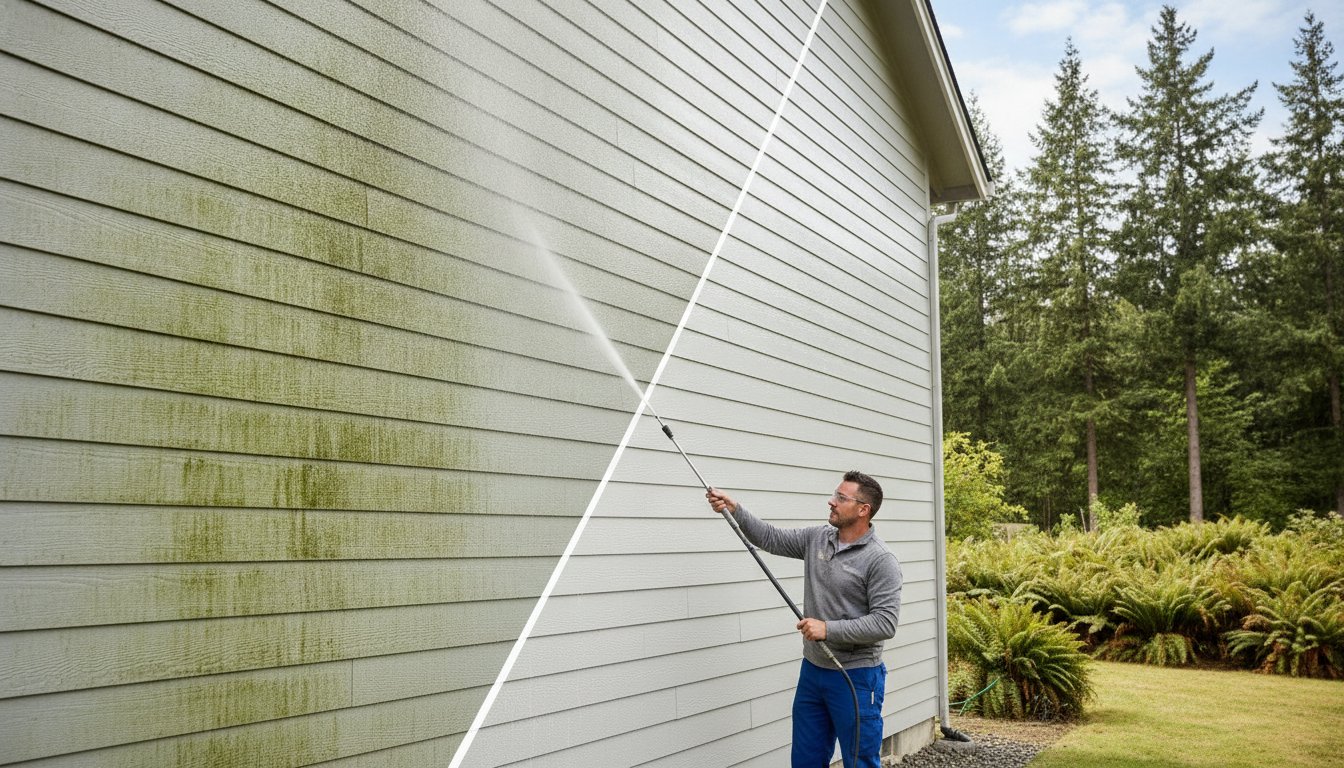
- Softwashing: Safely wash house siding to clear away grime without damaging the finish or forcing water into walls.
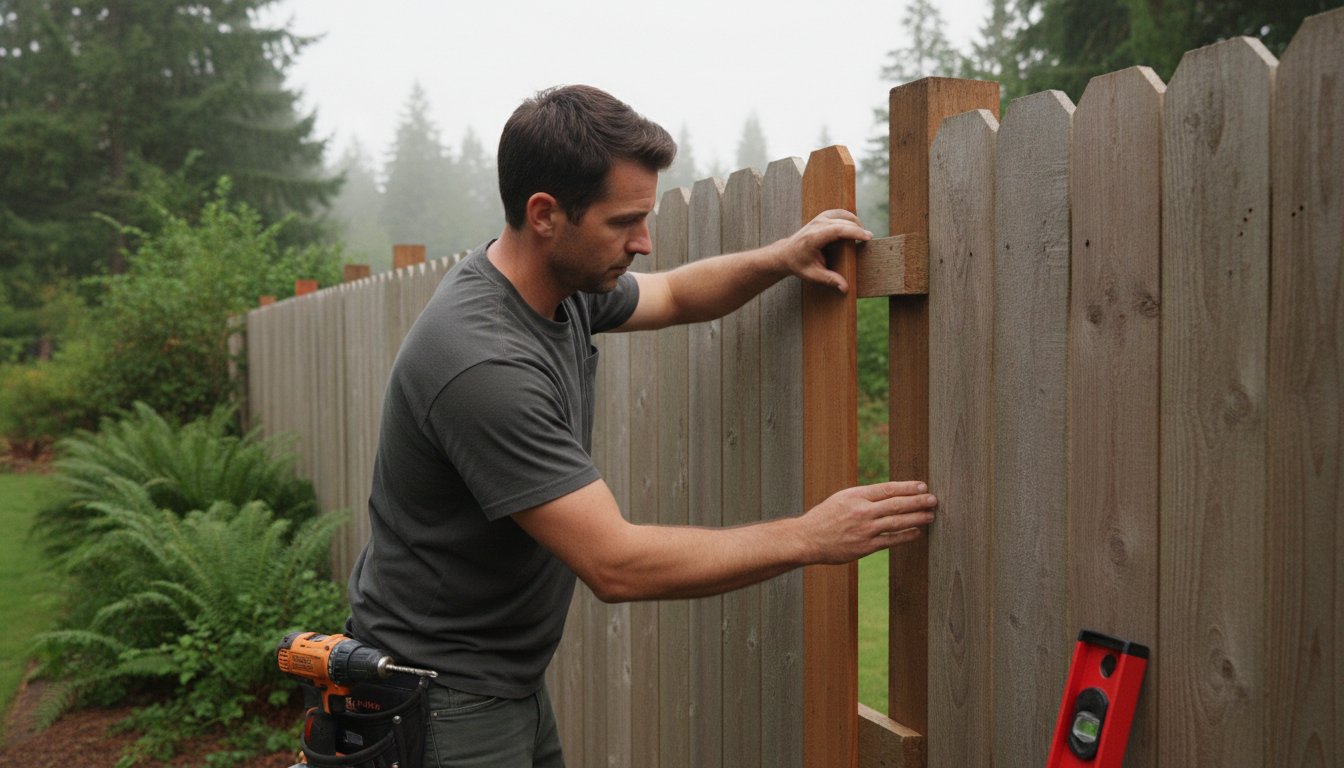
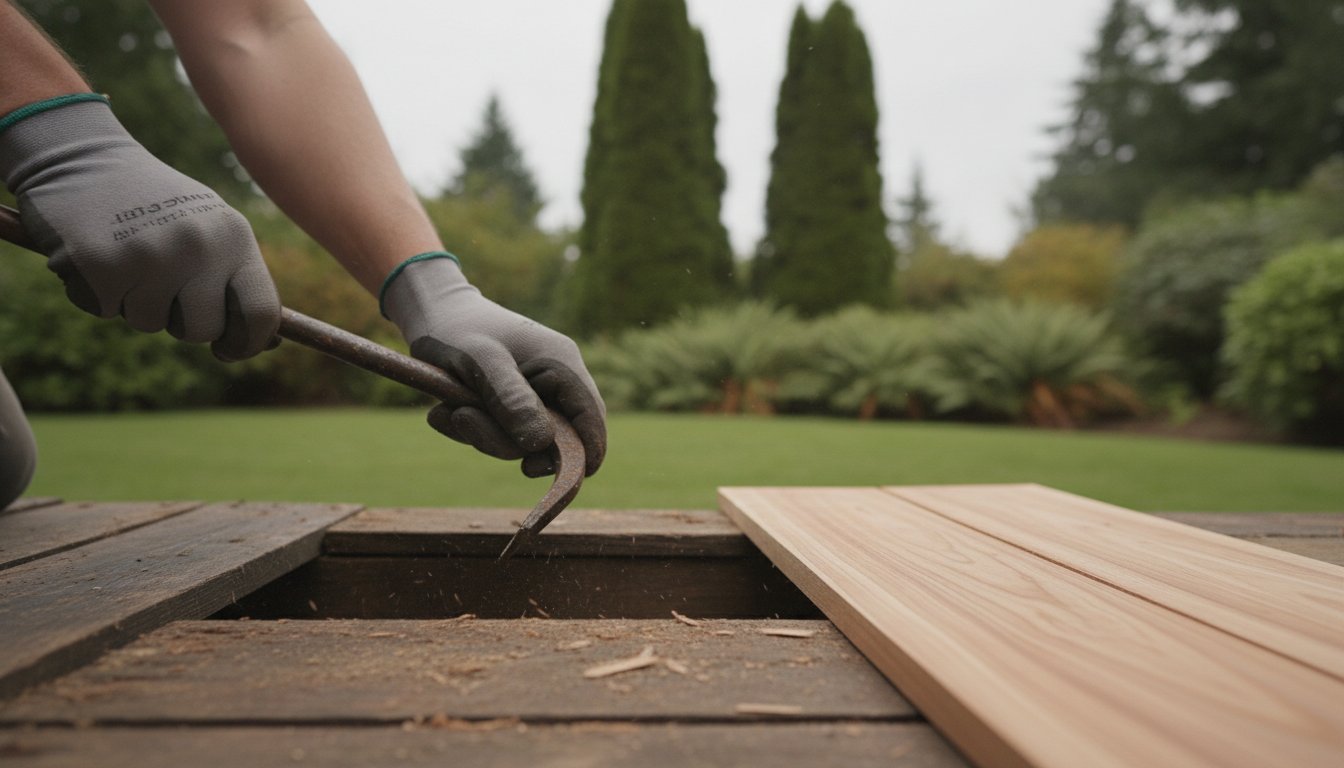
- Deck and Fence Inspection: Check for loose boards or failing stains that leave wood exposed to the summer sun.
If you find boards that are soft or splitting, prioritize a deck repair before the next rainy cycle begins. For properties with metal entry points or boundary barriers, exploring design and maintenance insights from Apex Gateworks can help you properly care for custom steel gates and iron fencing. Following a consistent exterior home maintenance checklist Oregon style ensures your property remains a safe haven rather than a source of stress.
Fall & Winter: The Protection and Drainage Phase
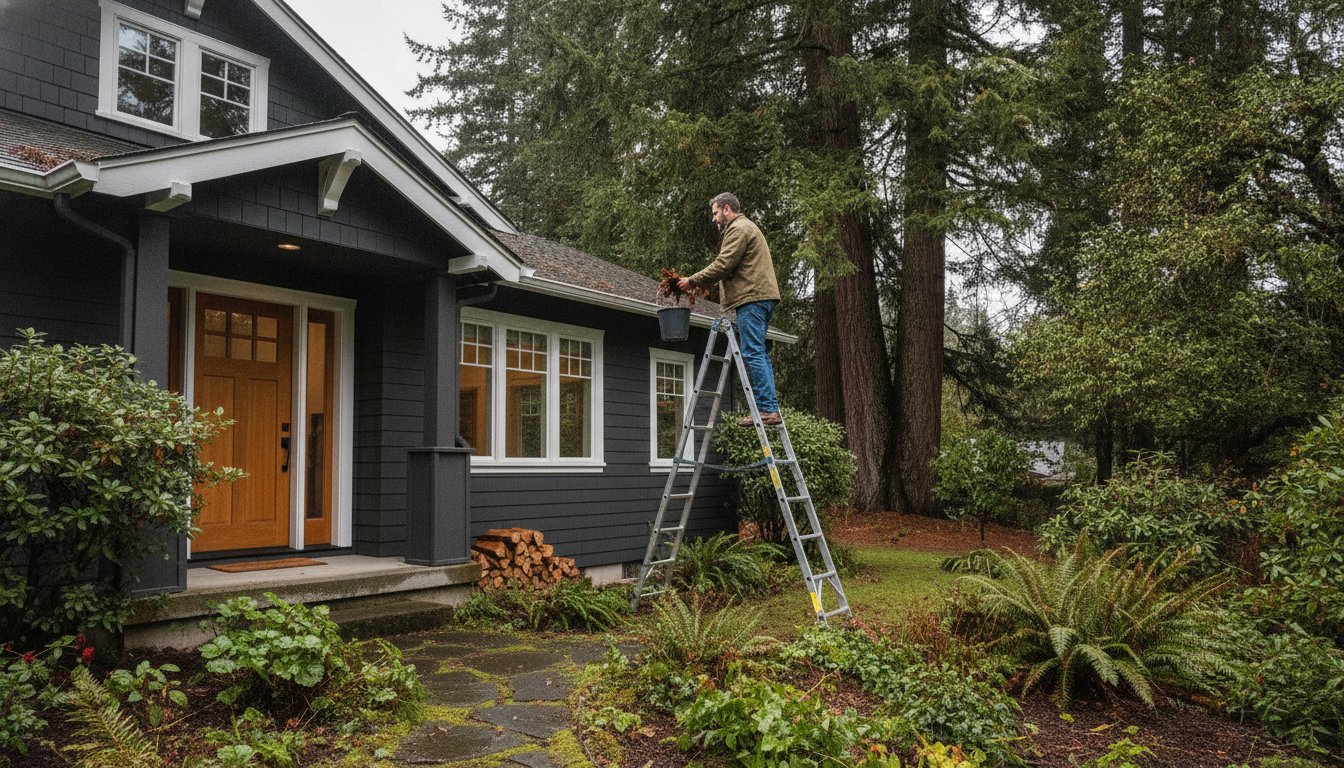
In the Pacific Northwest, a single gutter clean in October is rarely enough. We recommend a "Double Gutter Clean" strategy. Perform the first clear-out in early autumn to handle the initial leaf drop. Complete a second cleaning in late December once the last oak and maple leaves have finally fallen. This prevents the overflows that cause basement flooding and siding rot.
Before the heavy November deluges, check your roof flashings and seals around chimneys or vents. These are common failure points where water can enter. It is also wise to trim overhanging branches. High winter winds can easily toss heavy limbs onto your roof, causing immediate structural damage.
If these tasks seem daunting, you can always verify a licensed Oregon handyman through the CCB to assist with the more dangerous ladder work. Staying on top of this schedule keeps your home value high and your repair bills low. For those who want to ensure their drainage is perfect before the storms hit, professional gutter cleaning is a smart investment.
The Roof and Gutter Priority: Protecting the Top of Your Home
Your roof is the primary shield against the elements. In Western Oregon, where we often see over 40 inches of annual rainfall, this component takes a beating every single day. A solid home maintenance checklist always starts from the top. If your roof fails, every other repair you've made to the interior or siding becomes irrelevant. This is why the roof and gutter system is the most critical part of an exterior home maintenance checklist Oregon homeowners must manage. You aren't just looking for holes; you're looking for signs of wear that lead to structural failure.
Debris buildup is a major accelerator of shingle degradation. When pine needles, leaves, and twigs sit on your roof, they trap moisture against the shingles. This constant dampness softens the asphalt and provides a breeding ground for biological growth. You should also watch for shingles that appear "bald" or are curling at the edges. If you notice a large amount of granules in your gutters, your roof is likely nearing its end-of-life. These granules protect the asphalt from UV rays, and once they're gone, the roof becomes brittle and prone to leaks.
Softwash Moss-Off Roof Treatment vs. Pressure Washing
Some generic advice suggests using a pressure washer to clean your roof. That's a mistake that can cost you thousands. High-pressure water strips away the protective granules and can even force water up under the shingles. Instead, we recommend a Softwash Moss-Off Roof Treatment. This method uses a low-pressure, chemical-based approach to kill moss at the root. It doesn't just clear the surface; it stops the growth from coming back immediately. A proper soft wash treatment can often extend the life of your roof by 5 to 10 years, saving you from a premature replacement.
Professional Gutter Cleaning and Minor Repairs
Gutters are the unsung heroes of foundation protection. Their job is to direct thousands of gallons of water safely away from your home's base. If your gutters have a "sag" or loose hangers, water will overflow and pool at your foundation. This leads to cracked concrete and crawlspace flooding. While many people try to DIY this task, it's one of the most dangerous chores you can do. Ladder safety is no joke, and hidden clogs deep in the downspouts are easy to miss. Professional Gutter Cleaning ensures the entire system is flowing correctly. If you find your gutters are overflowing even when they look clear, you might need a Roof Leak Repair or a simple adjustment to the gutter pitch to keep the water moving.

Siding, Decks, and Fences: Tackling Repairs Before They Spread
Your siding, deck, and fence are the most visible parts of your property, but they are also the most exposed to Oregon's sideways rain. While the roof handles the bulk of the downpour, these vertical and horizontal surfaces trap moisture in corners and joints. This is where algae, mildew, and rot begin their work. Adding these areas to your exterior home maintenance checklist Oregon schedule is vital for long-term durability. According to industry data, vinyl siding replacement can offer a 68 to 73 percent cost recovery at resale, making it a high-value area to maintain. Keeping your existing materials in good shape through regular cleaning and small fixes is always more affordable than a full tear-out.
Don't ignore the small things like peeling paint or a single loose board. These are the entry points for water. Once moisture gets behind your siding or into the core of a deck joist, the damage accelerates. You should walk the perimeter of your home every spring and fall to look for soft spots. A quick application of touch up painting on exposed wood can save a window trim or door frame from needing a full replacement next year. It's about being methodical and catching the small problems before they turn into structural failures.
Siding Repairs and Softwashing
Cleaning your house isn't just about curb appeal; it's about removing biological growth that eats away at your finishes. Many homeowners make the mistake of using high-pressure powerwashing on their siding. This can force water behind the panels and lead to mold inside your walls, where property restoration teams like Coastline Environmental Solutions often have to step in to eliminate hidden moisture issues. We recommend softwashing houses instead. This low-pressure method uses specialized cleaners to kill algae and mildew at the source without damaging the material. While you clean, look for warped or cracked panels. If you find damage, a timely siding repair can prevent water from reaching the underlying sheathing. Repairing a single board today is much easier than replacing an entire wall of rot tomorrow.
Deck and Fence Longevity in the PNW
Oregon decks face a brutal cycle of being soaked all winter and baked all summer. The most critical point to check is the ledger board, which is where the deck attaches to your house. If the flashing here is failing, water will rot your home's rim joist. You should also check for "soft spots" in the decking boards and tighten any loose screws to keep the structure safe for your family. Fences require similar attention. Oregon rain often causes fence posts to rot at the ground level. Keeping debris away from the base of the posts and ensuring they have proper drainage is the best way to avoid a full fence replacement. If you notice your deck or fence is starting to wobble or show signs of decay, it's time to look into professional deck repairs to secure the structure before the next storm season hits.
Professional Support: Why Hiring a Licensed Oregon Handyman Matters
Completing an exterior home maintenance checklist Oregon homeowners use to track repairs is a major commitment. Some tasks are simple weekend chores. Others require specialized tools, safety gear, and a deep understanding of local building codes. In Oregon, you shouldn't just hire anyone for significant repairs. The Construction Contractors Board (CCB) requires a license for any project where the total value of labor and materials is $1,000 or more. Hiring a professional isn't just about saving your Saturday. It's about ensuring the work meets the Oregon Residential Specialty Code and protects your home's long-term value.
Working with a single provider for multiple tasks offers a distinct advantage. Instead of coordinating with a separate roofing company, a gutter specialist, and a siding crew, you can rely on one seasoned craftsman. This methodical approach ensures that your drainage, roof health, and siding integrity are all handled as a single, cohesive system. It's a more efficient way to manage your property and often results in better communication and more consistent quality across the board.
Licensed, Bonded, and Insured: Your Protection
Hiring a contractor who is bonded provides you with a financial guarantee that the job will be finished according to the terms of your contract. It's a layer of security that protects your investment from unfinished or substandard work. Insurance is even more critical. High-risk tasks like roof leak repairs or cleaning second-story gutters carry real physical risks. If an uninsured worker is injured on your property, you could be held liable for their medical expenses. You can verify a contractor's status by entering their number into the official Oregon CCB search tool. To check our credentials, simply search for CCB#254463 to confirm that Local Fishing Handyman LLC is fully licensed, bonded, and insured.
The Local Fishing Handyman Advantage
We take pride in being a hardworking local provider that understands the specific challenges of our wet climate. Our Softwash Moss-Off treatment is a specialty service designed to kill moss at the root without the damage caused by high-pressure washing. We don't take shortcuts. We perform tasks correctly the first time because we live in this community too. Bundling your seasonal services is the smartest way to stay ahead of the weather. When we handle your gutter cleaning, roof treatment, and siding softwashing together, you save money and gain the peace of mind that your home is ready for the next rainy season. Protect your home today—get a free estimate from Local Fishing Handyman LLC.
Protect Your Oregon Investment for the Long Haul
Keeping a home in the Pacific Northwest requires a steady hand and a clear plan. You've learned that moisture is the primary enemy; from moss lifting your shingles to rot creeping into your siding and deck joints. By following a consistent exterior home maintenance checklist Oregon homeowners can use to time their repairs, you stay ahead of the rain. Remember that your roof and gutters are your first line of defense. Keeping them clear and treated is the most cost-effective way to protect your foundation and your property value.
When the tasks become too dangerous or complex for a DIY weekend, don't take chances with unlicensed labor. Local Fishing Handyman LLC is here to help with specialized expertise like our Softwash Moss-Off Roof Treatment. We are a locally owned business that is fully Licensed, Bonded, and Insured (CCB#254463). We take pride in performing every task correctly without shortcuts. Schedule Your Oregon Exterior Maintenance Estimate today to secure your home's future. Let's get your property ready for another beautiful Oregon year.
Frequently Asked Questions
How often should I clean my gutters in Oregon?
You should clean your gutters at least twice a year in the Pacific Northwest. Perform the first cleaning in late spring to remove maple seeds and pollen, and a second cleaning in late autumn after the final leaf drop. Homes with heavy evergreen cover nearby may require a third cleaning in mid-winter to prevent clogs from needles and storm debris.
Is soft washing better than pressure washing for my roof?
Soft washing is the only safe method for cleaning asphalt shingles because it uses low pressure and specialized cleaners to kill moss at the root. Pressure washing is too aggressive; it strips away the protective granules and can force water under the shingles. Choosing a soft wash approach protects the integrity of your roof and extends its lifespan by several years.
What are the signs that my roof is leaking before I see water inside?
Look for water stains on your exterior soffits, dark streaks on your siding, or shingles that are curling and buckling. You may also notice an unusual amount of asphalt granules in your gutters or heavy moss growth in the roof valleys. Identifying these early warning signs is a vital part of an exterior home maintenance checklist Oregon homeowners use to prevent expensive structural rot.
Do I need a licensed contractor for minor siding or fence repairs in Oregon?
Oregon law requires a Construction Contractors Board (CCB) license for any project where the total cost of labor and materials exceeds $1,000. Even for minor siding or fence repairs, hiring a licensed professional is the safest choice. This ensures the worker is bonded and insured, which protects you from liability if an accident occurs on your property.
How much does a typical exterior maintenance visit cost?
The cost of a maintenance visit depends on the size of your home, the steepness of your roof, and the specific services you need. A large home with heavy moss growth will require more time and materials than a small home with clean gutters. Most professionals provide a detailed estimate after inspecting the property to ensure the price reflects the actual work required.
Can moss on my roof really cause structural damage?
Moss causes structural damage by acting as a sponge that holds moisture directly against your roof's surface. This constant dampness eventually rots the wooden roof deck underneath the shingles. As the moss grows, it also lifts the edges of the shingles, which allows wind-driven rain to bypass your primary drainage system and enter your attic.
What is the best time of year to stain a deck in the Pacific Northwest?
July through early September is the best window for deck staining because it offers the most consistent dry weather. The wood needs to be completely dry for at least 48 hours before you apply the stain. It also requires a dry period afterward to cure properly, making the peak of summer the only reliable time for this task.
How do I know if my handyman is properly insured in Oregon?
You can verify a contractor's insurance and bond status by searching their CCB license number on the official Oregon Construction Contractors Board website. This public database shows if their license is active and confirms they meet the state's insurance requirements. Checking this status is a crucial step in any exterior home maintenance checklist Oregon residents use to hire trustworthy help.